
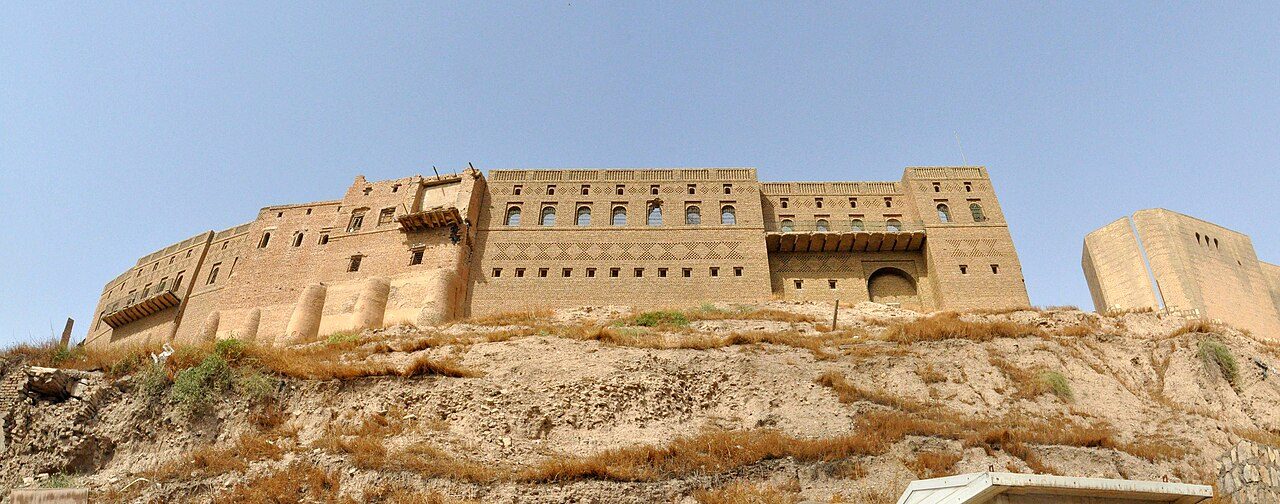
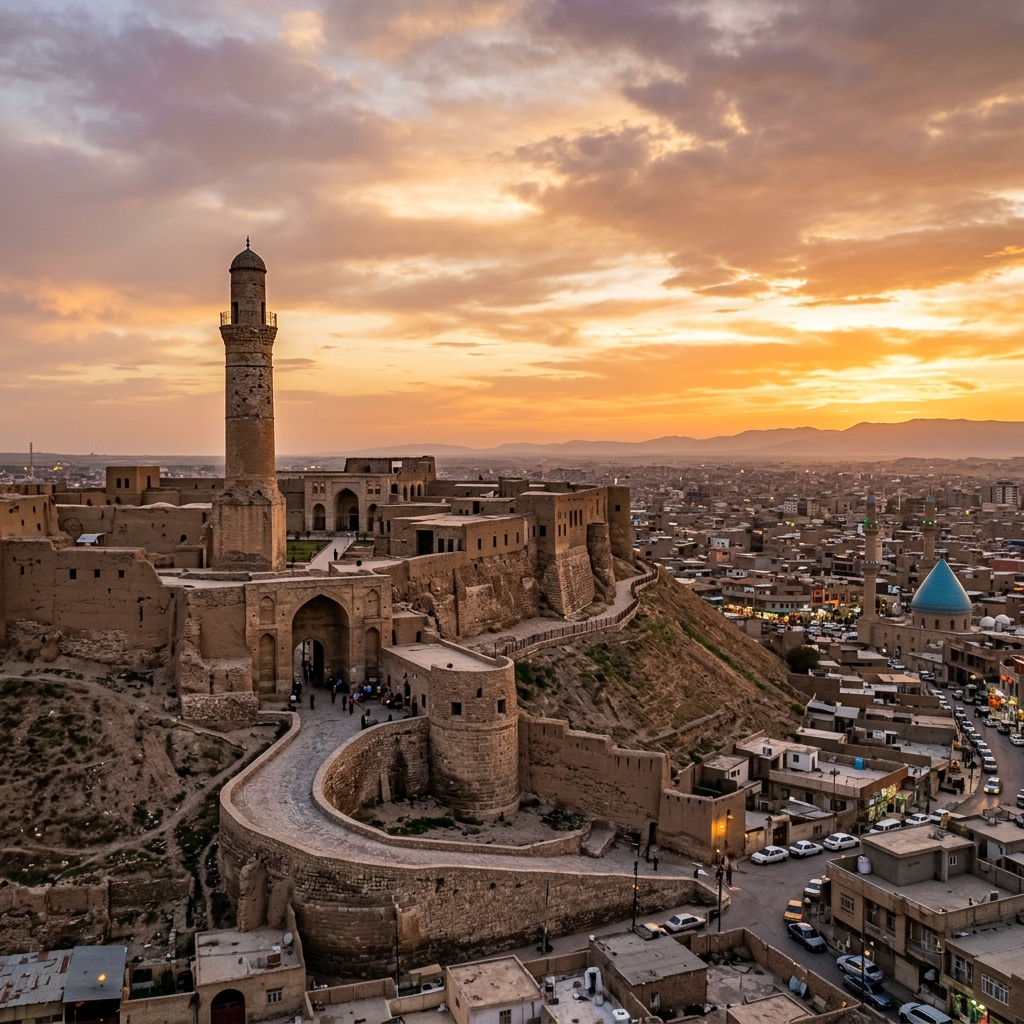
The Ancient Citadel of Erbil (Qalat Hewlêr)
UNESCO World Heritage site rising 30m above the plain, inhabited continuously for more than 6,000 years.
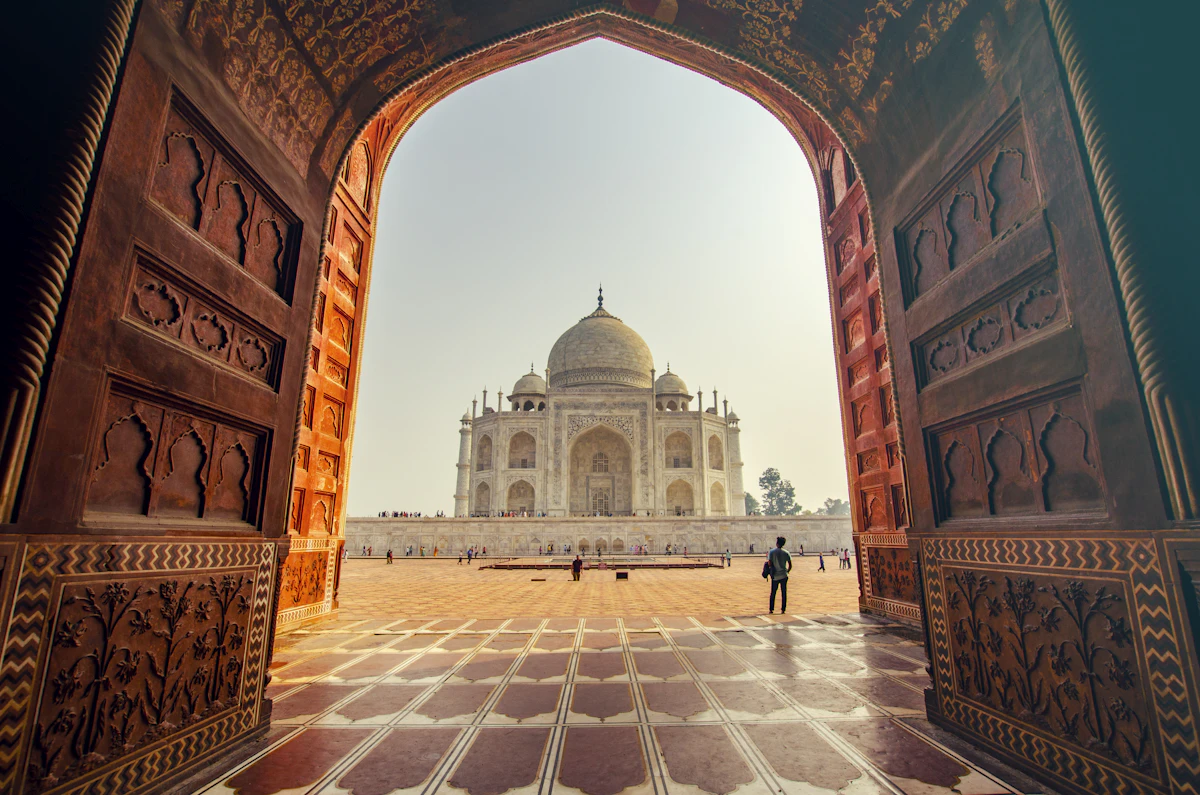
Mudhafaria Minaret (Choli Minaret)
12th-century 36-meter Atabeg minaret commissioned by Muzaffar al-Din Gökböri with glazed geometric brick patterns.

Sami Abdulrahman Park
One of the Middle East's largest municipal parks, spanning over 200 hectares with lakes, rose gardens, and running tracks.

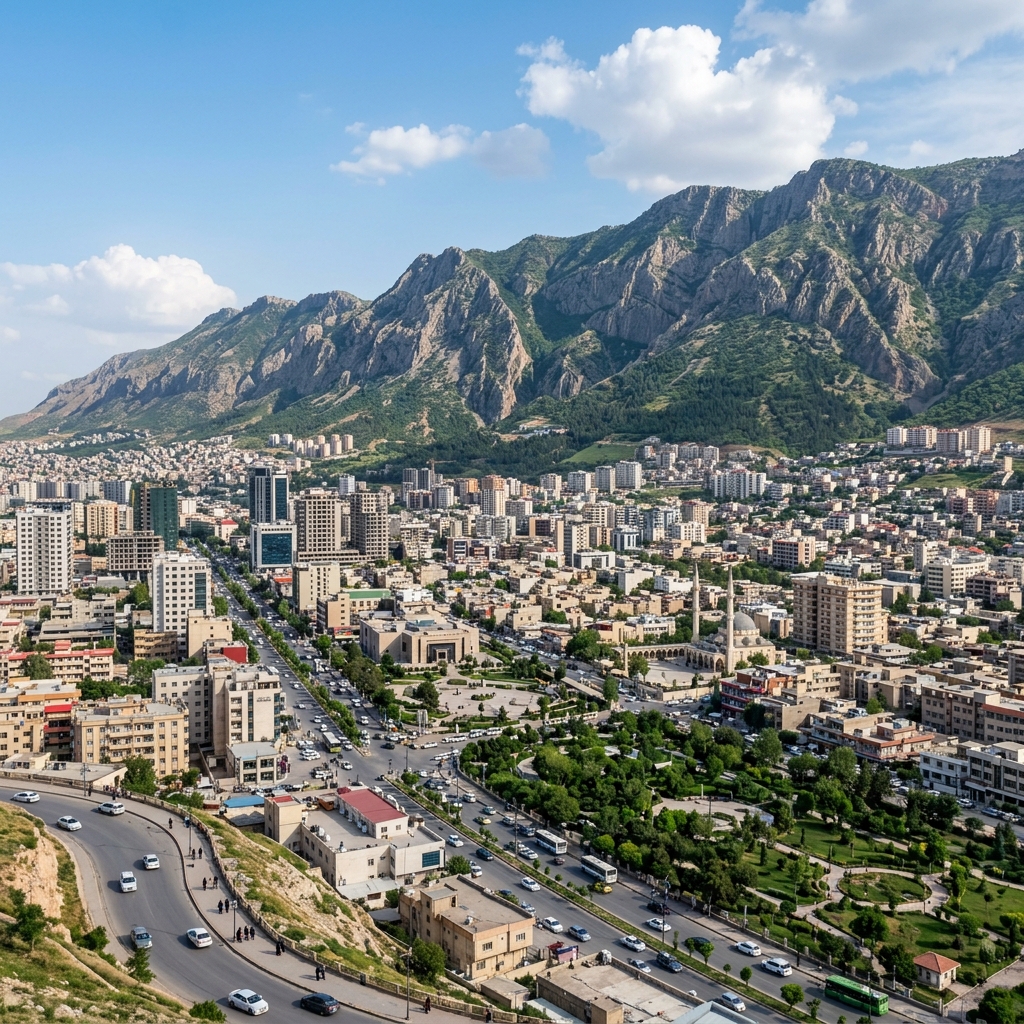
Modern Skyline & Gulan Street Corridor
Financial artery featuring Grade-A commercial office towers, luxury hotels, and consulates.
Qaysari Covered Vaulted Bazaar
Generational marketplace beneath the Citadel south gate, known for spices, Kurdish carpets, and jewelry.

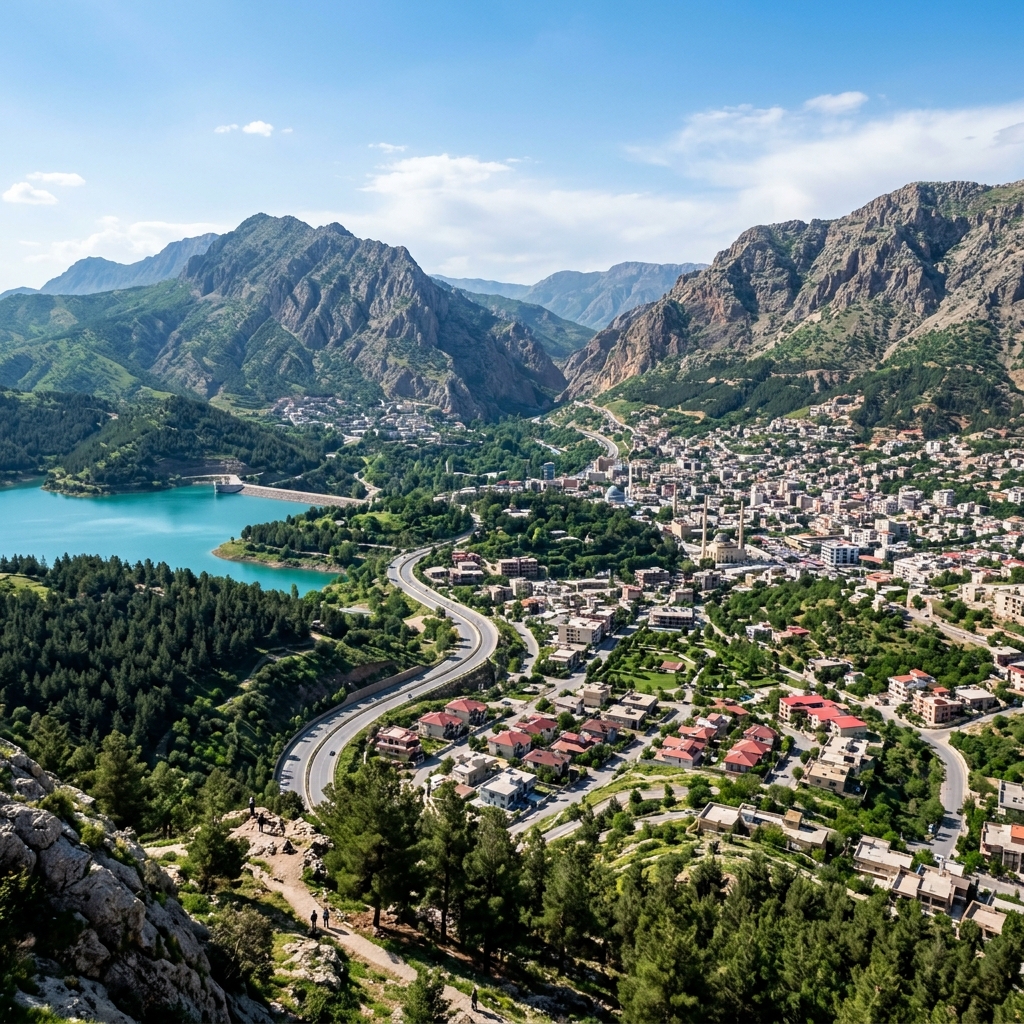
Korek Mountain & Gali Ali Bag Highlands
Breathtaking mountain passes, waterfalls, and alpine resorts in northern Erbil governorate.
Erbil Governorate
The Ancient Citadel Capital & Modern Metropolitan Gateway
Erbil (Hewlêr) is the vibrant capital of the Kurdistan Region and one of the oldest continuously inhabited cities in human history, dating back over 7,000 years (5000+ BC). Crowned by its UNESCO World Heritage Citadel perched majestically above the central fountains, Erbil seamlessly unites millennia of civilization with high-tech development, world-class universities, luxury boulevards, and warm Kurdish hospitality.
History & Heritage of Erbil
Explore the unbroken chronological lineage, ancient civilizations, medieval emirates, and modern renaissance of Erbil.
Ancient Hurrian & Sumerian Settlers, Fortified by King Erridupizir of Gutium & Third Dynasty of Ur
Derived from the ancient Hurrian/Akkadian 'Arba-ilu' ('City of the Four Gods'), which evolved through classical Aramaic 'Arbel' into the modern Kurdish name 'Hewlêr' ('Citadel/Seat of the Sun').
Ahmadi Gate (South), Citadel Grand Gate (North), and the ancient Royal Ascent Staircase.
Documented in Third Dynasty of Ur cuneiform tablets (King Shulgi, c. 2000 BCE) as 'Urbilum'; dedicated by Neo-Assyrian monarchs to Goddess Ishtar of Arbela.
Urbilum & The Continuous Tell of Erbil Citadel
Erbil is recognized internationally as one of the oldest continuously inhabited settlements on Earth, with an unbroken record of urban life spanning more than 6,000 years. The ancient city appears in early Sumerian cuneiform tablets from the 3rd millennium BCE as 'Urbilum' (or 'Arbilum'). During the Third Dynasty of Ur, King Shulgi and his successor Amar-Sin conducted royal campaigns and registered official tax levies from the city. The monumental Citadel mound rises over 30 meters above the surrounding plain, composed of layered archaeological strata containing Neolithic, Bronze Age, Iron Age, and Islamic architectural horizons that have remained occupied without interruption.
Archaeological Tell of Erbil Citadel (UNESCO World Heritage Site #1437); cuneiform clay tablets of Ebla (c. 2300 BCE); administrative archives of the Third Dynasty of Ur (Amar-Sin year-names, c. 2046 BCE); Czech archaeological core drilling documenting 32 vertical meters of uninterrupted occupation debris.
Arba-Ilu: The Holy City of the Four Deities
During the Neo-Assyrian Empire, Erbil was celebrated as 'Arba-Ilu' ('The City of Four Deities'), serving as the supreme spiritual sanctuary of the war and fertility goddess Ishtar of Arbela. The great temple E-gashankalamma ('House of the Lady of the Land') located atop the Citadel was visited by emperors before marching to war. King Ashurnasirpal II, Esarhaddon, and Ashurbanipal received divine prophetic oracles from female prophetesses here, celebrating triumphs and dedicating the spoils of conquered kingdoms to Ishtar.
Prisms and clay cylinders of King Ashurbanipal (British Museum Collections); Royal annals of Esarhaddon describing the rebuilding of the E-gashankalamma temple; Assyrian limestone boundary markers and bronze votive plaques discovered in the Erbil plain.
The Battle of Gaugamela & Alexander the Great
On October 1, 331 BCE, the course of world history was irrevocably decided on the broad plains immediately west of Erbil in the epic Battle of Gaugamela (historically referred to across Europe as the 'Battle of Arbela'). Alexander the Great and his Macedonian phalanxes clashed with the massive Persian imperial army of King Darius III. Darius utilized the fortified Citadel of Arbela as his command treasury and operational base. Following his overwhelming victory, Alexander entered Arbela to seize the Persian royal chariot and treasures, inaugurating the Hellenistic transformation of the ancient Near East.
Primary Greek accounts of Arrian (Anabasis of Alexander, Book III), Plutarch (Life of Alexander), and Quintus Curtius Rufus; Babylonian Astronomical Diary (BM 36761) recording the lunar eclipse 11 days before the battle at Arbela.
Muzaffar al-Din Gökböri & The 36m Mudhafaria Minaret
Under the enlightened rule of Sultan Muzaffar al-Din Gökböri (brother-in-law of Saladin), Erbil experienced a spectacular medieval cultural, architectural, and intellectual golden age. Gökböri expanded the city beyond the Citadel into the lower town, constructing majestic theological colleges (*madrasas*), free municipal hospitals (*maristans*), and the monumental 36-meter Mudhafaria Minaret (Choli Minaret) adorned with intricate Kufic geometric brickwork. Erbil became renowned worldwide as the birthplace of the grand public Mawlid celebrations and nurtured legendary scholars, most notably Ibn Khallikan (1211–1282 CE), the prince of Arabic biographical historians.
The freestanding 36-meter Mudhafaria Minaret with original octagonal base and glazed turquoise brick inscriptions; historical biographical encyclopedia *Wafayat al-A'yan* by Ibn Khallikan; medieval geographical compendium *Mu'jam al-Buldan* by Yaqut al-Hamawi.
Seat of Parliament, Diplomatic Hub & UNESCO Citadel Inscription
Following the heroic Kurdish Uprising (Raperîn) of March 1991, Erbil was liberated and selected as the constitutional capital of the Kurdistan Region of Iraq. On May 19, 1992, the historic first democratic general elections took place, establishing the Kurdistan Parliament and Council of Ministers in Erbil. Over the past three decades, Erbil has transformed into an international diplomatic capital hosting over 35 foreign consulates, a regional commercial aviation nexus, and in 2014 achieved global acclaim when the High Commission for Erbil Citadel Revitalization (HCECR) secured the official inscription of Erbil Citadel as a UNESCO World Heritage Site.
UNESCO World Heritage Committee 38th Session Resolution (Doha, 2014, Decision 38 COM 8B.20); official legislative gazette *Kurdistan Parliament Records* (1992); Erbil International Airport (EBL) aeronautical charts; consular diplomatic accreditations recognized by the Ministry of Foreign Affairs.
Famous People & Historical Icons of Erbil
Discover the visionaries, statesmen, classic poets, and philosophers whose lives, ideas, and achievements defined Erbil.
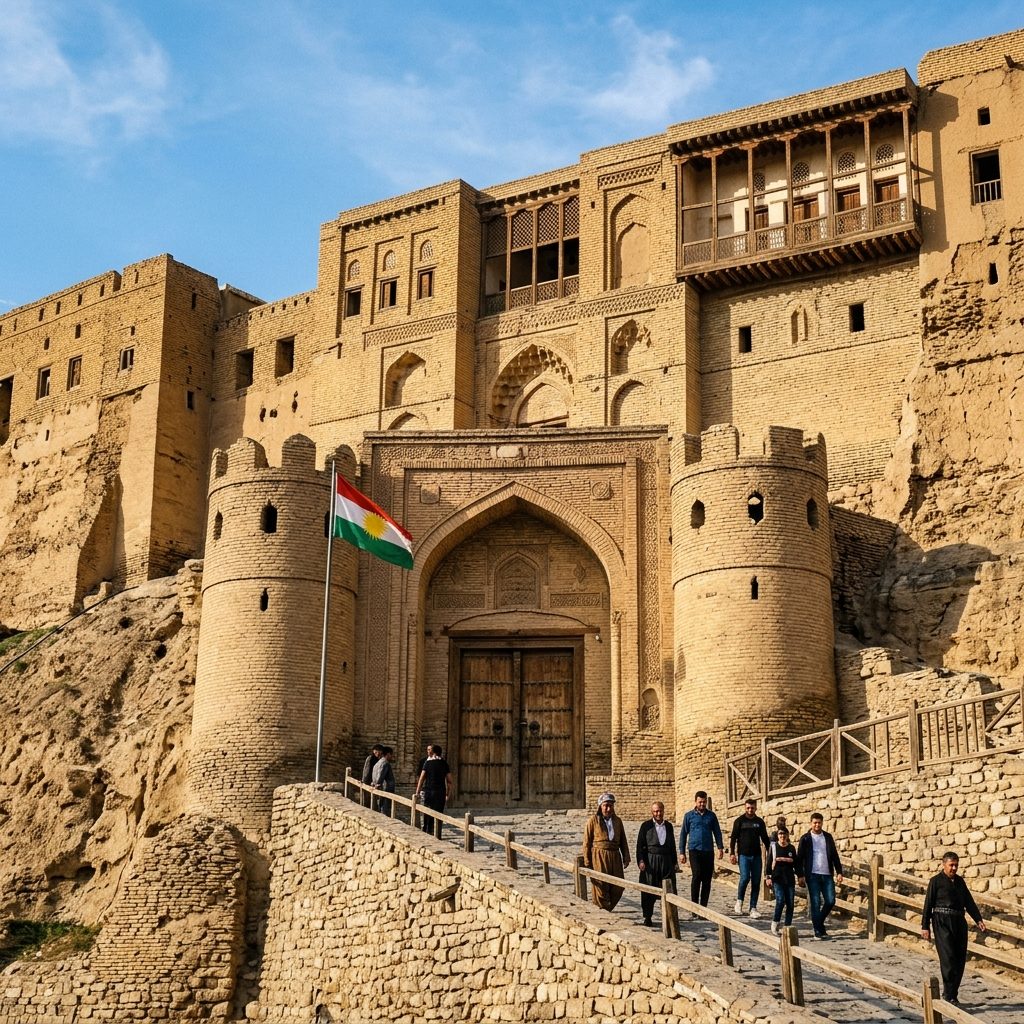 1153–1232 CE
Muzaffar al-Din Gökböri
Ruled the Begteginid Principality of Erbil; allied with Saladin; built the famous 36-meter Mudhafaria Minaret, four major public hospitals, free madrasas, and orphanages; instituted the first public Mawlid celebrations in the Islamic world.
A city is not preserved by its stone parapets alone, but by the hospitals that heal its paupers and the academies that enlighten its youth.
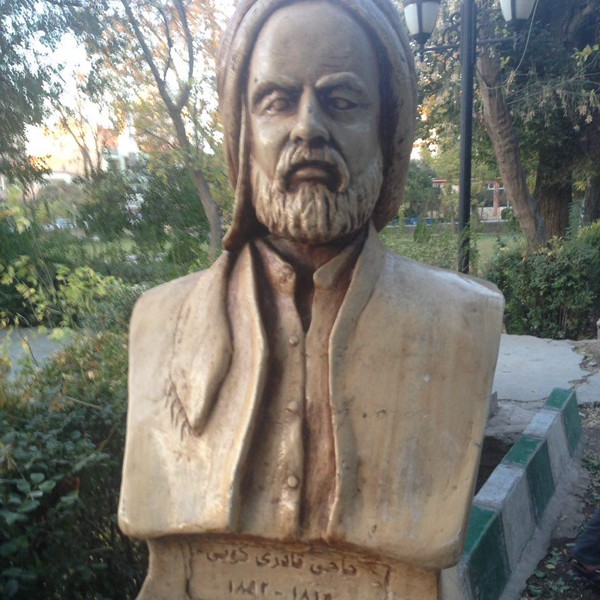 1211–1282 CE
Ibn Khallikan
Born inside the Erbil Citadel; author of 'Wafayat al-A'yan' ('Deaths of Eminent Men and History of the Sons of the Epoch'), the greatest medieval Arabic biographical dictionary, cataloging over 850 biographies of poets, scientists, and statesmen.
I was born in the exalted Citadel of Arbela in the year 608 AH, where the winds of literature and history stirred my lifelong devotion to scholarly truth.
c. 15–50 CE
Queen Helena of Adiabene
Queen of the ancient kingdom of Adiabene with its capital at Arbela; renowned for converting to Judaism, providing famine relief with shiploads of wheat from Alexandria and figs from Cyprus, and constructing the Monumental Tomb of the Kings.
My wealth and sovereign crown are meaningless unless the granaries of the people are filled in times of drought.
1817–1897 CE
Haji Qadiri Koyi
Born in Koya within the Erbil region; pioneer of secular education, printing, and science among Kurds; through rhythmic poetry, urged Kurds to learn foreign languages, establish newspapers, and preserve historical memory.
Until our people acquire the printing press, schools of modern science, and the power of the written word, our nation shall remain divided in darkness.
Historic Quarters & Neighborhoods of Erbil
Explore the ancient residential quarters, artisan guilds, and historic market centers that preserve the architectural memory of Erbil.
Taajil Quarter
Historic southern lower town, famous for ancient merchant caravanserais, Ottoman timbered architecture, and coppersmith workshops.
Arab & Khanqah Quarter
Centuries-old scholarly and spiritual heart centered around Sufi lodges, manuscript libraries, and traditional family estates.
Sarbagi Quarter
Aristocratic residential sector atop the Citadel summit, home to prominent governors, foreign consulates, and carved stone courtyards.
Topkhana Quarter
Western Citadel quarter historically hosting defensive artillery bastions, panoramic plain vistas, and traditional bakeries.
The Subterranean Springs of Mastawa & Queen Khanzad
Ancient Erbil folklore tells of a secret subterranean aqueduct system ('Karez') channeling fresh water from distant mountain aquifers straight into the central well of the Citadel. In the 16th century, the fearless Kurdish warrior Queen Khanzad governed the region from her cliff-top stone castle, repelling hostile incursions and safeguarding the historic Silk Road trading convoys across the Erbil plain.
The 21st-Century Cosmopolitan Capital
Today, Erbil stands as the political, diplomatic, and commercial capital of Iraqi Kurdistan. It hosts dozens of foreign consulates, Erbil International Airport (EIA), multi-lane concentric highways (100m, 120m, 150m), world-class academic institutions, and sprawling recreational spaces such as the 100-hectare Sami Abdulrahman Park.
Civic Offices, Universities & Services in Erbil
Essential directory of governmental directorates, municipal councils (Cancel), flagship universities, tertiary hospitals, banks, and academic institutions in Erbil.
Executive governance center of Erbil Governorate directing regional municipal coordination, economic planning, and public works.
Democratic parliamentary assembly representing the Kurdistan Region, debating and passing laws and regional governance policies.
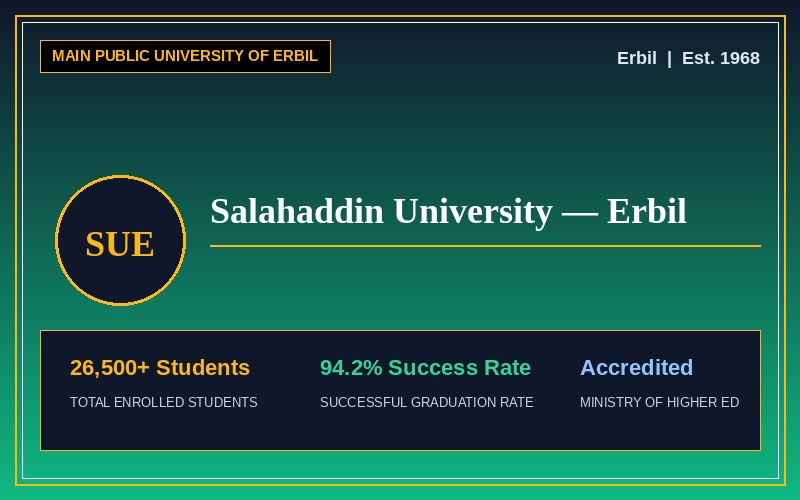
Largest and oldest public university in Kurdistan, founded in 1968, housing 15 colleges with over 25,000 enrolled undergraduate and postgraduate students.
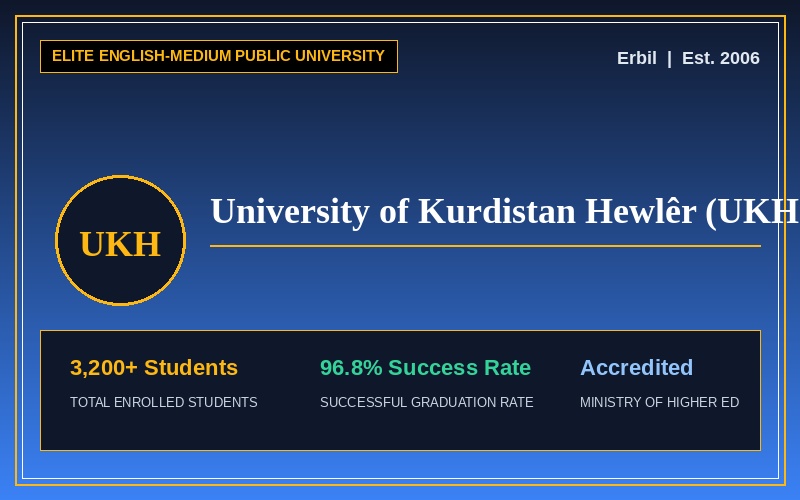
Public English-medium university providing British-accredited undergraduate and graduate degree programs in Medicine, Engineering, Computer Science, and Politics.
Major central public hospital in Erbil with intensive care units, emergency wards, internal medicine, and specialized surgical departments.
Leading international-standard private hospital in Erbil offering cardiac surgery, comprehensive oncology, and diagnostic radiology.
Principal trade financing and foreign currency exchange bank serving corporations, government tenders, and personal accounts.
Renowned international college preparatory school offering the SABIS curriculum preparing students for SAT, AP, and global university admissions.
Commercial association representing registered enterprises, facilitating trade exhibitions, foreign investment, and business legal certificates.
Emergency & Civic Hotlines
24/7 emergency response and civic services across Erbil
Administrative Directory & Localities of Erbil
Comprehensive interactive directory of municipal districts (Qaza), vibrant sub-towns (Nahiya), and picturesque mountain villages across Erbil Governorate.
Districts & Metropolitan Areas قەزاکانی هەولێر
10 Districts District Photo
Choman District
The alpine frontier home to Mount Halgurd (3,607m — Kurdistan's highest peak), crystal glacial streams, wildflower valleys, and Hajj Umran pass.
 District Photo
Dashty Hawler (Bnaslawa) District
The vast plain surrounding Erbil city, encompassing rapidly expanding residential towns and traditional agricultural villages.
 District Photo
Erbil Central District
The metropolitan core housing the UNESCO Citadel, Qaysari Grand Bazaar, Minare Park, and contemporary commercial towers along Gulan Street.
 District Photo
Khabat District
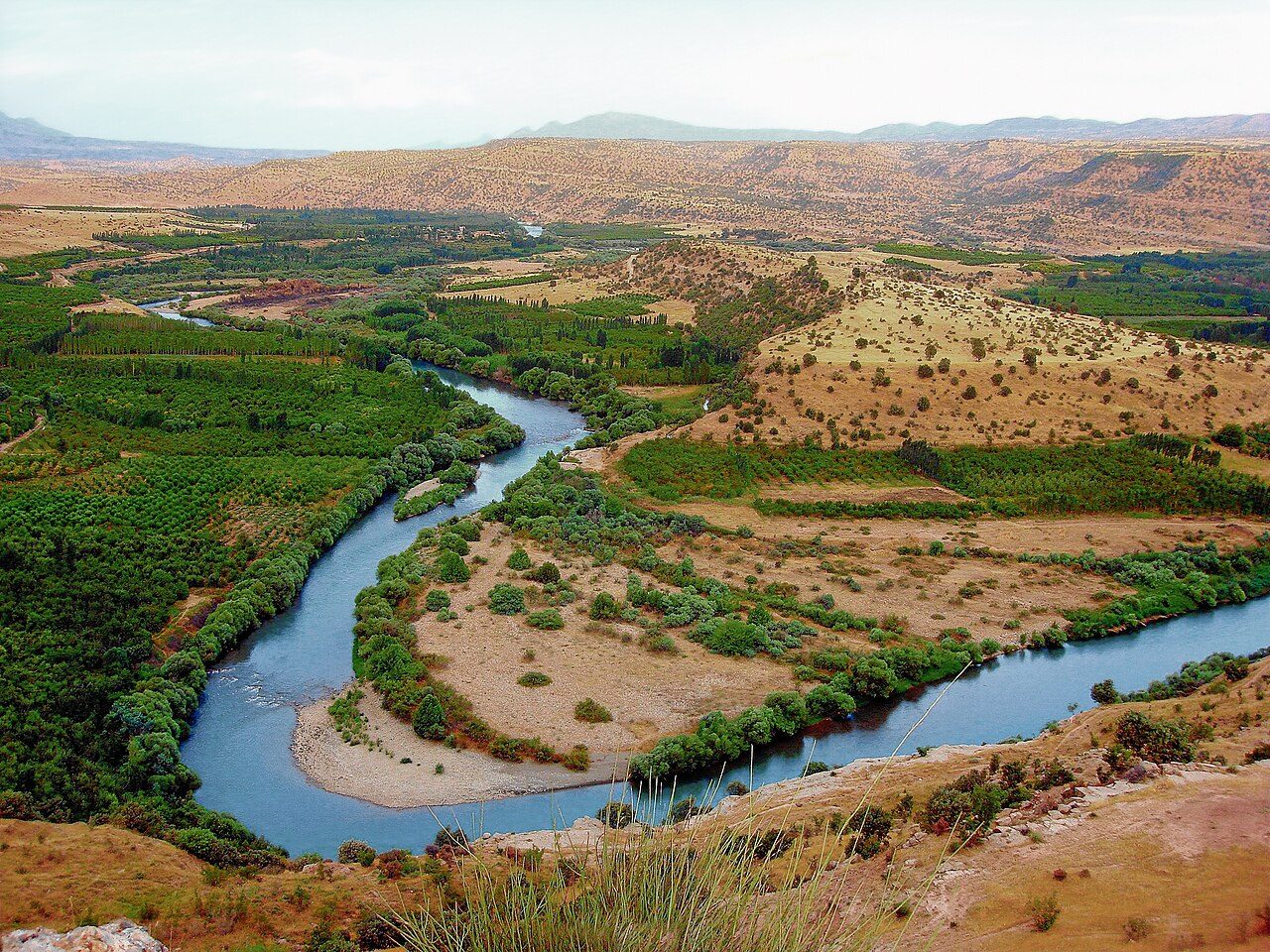
Agricultural heartland nestled along the banks of the Great Zab River, famous for fertile farms and river fish.
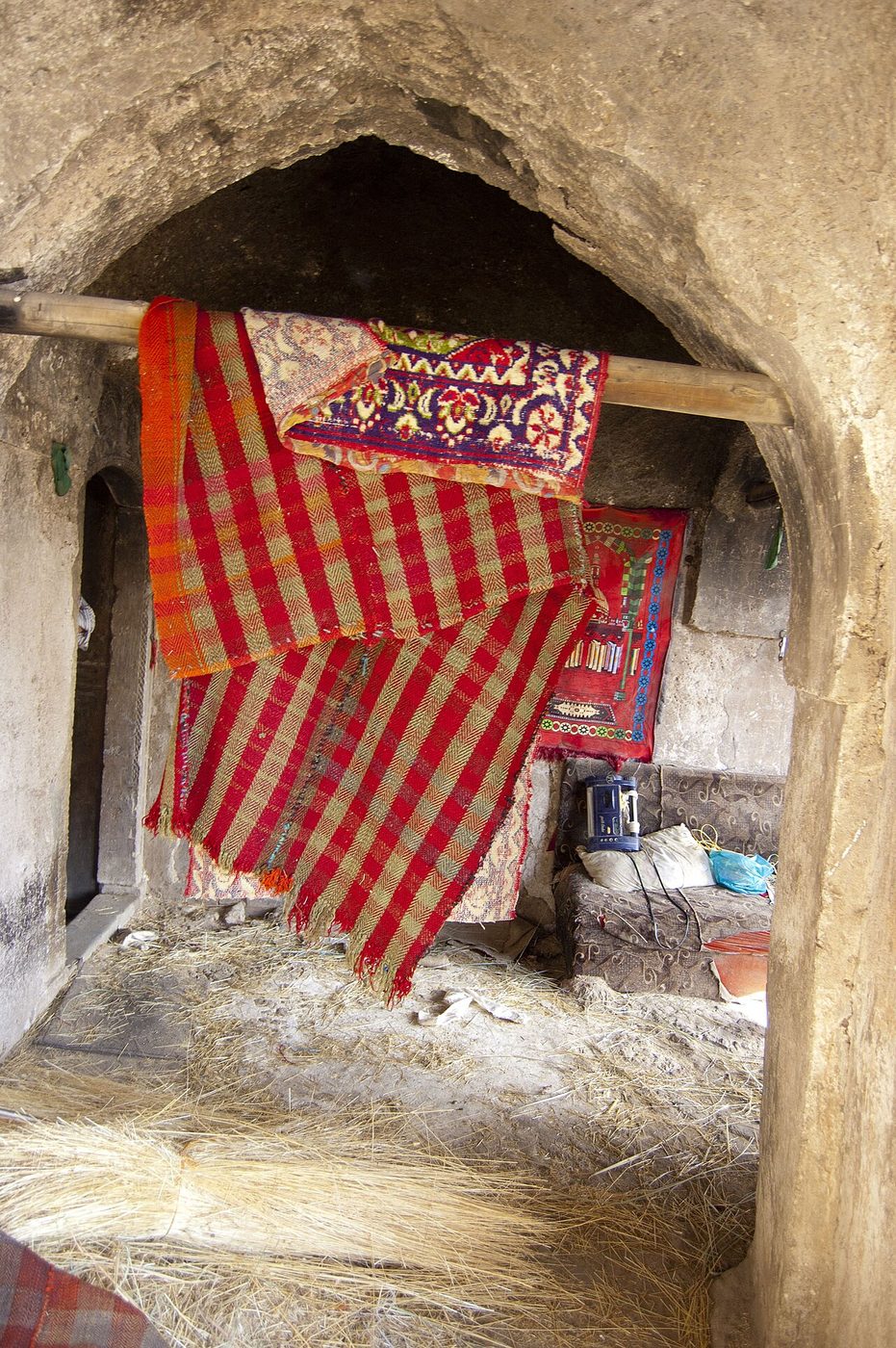 District Photo
Koya (Koysinjaq) District
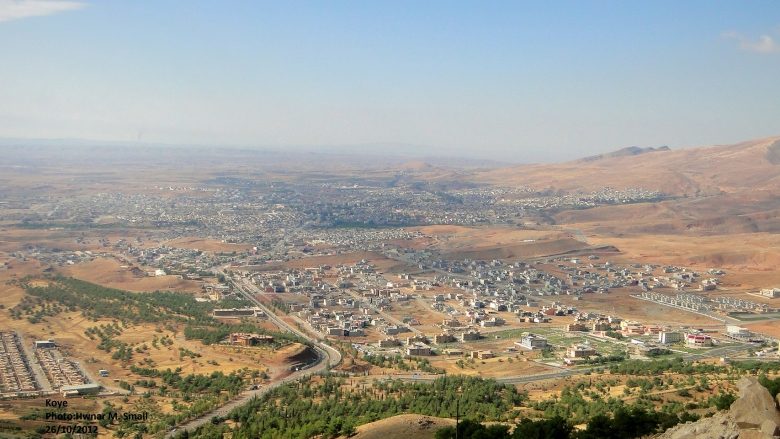
An illustrious center of Kurdish poetry, literature, and education, famed for the Qishla Fortress, Haibat Sultan Mountain, and Koya University.
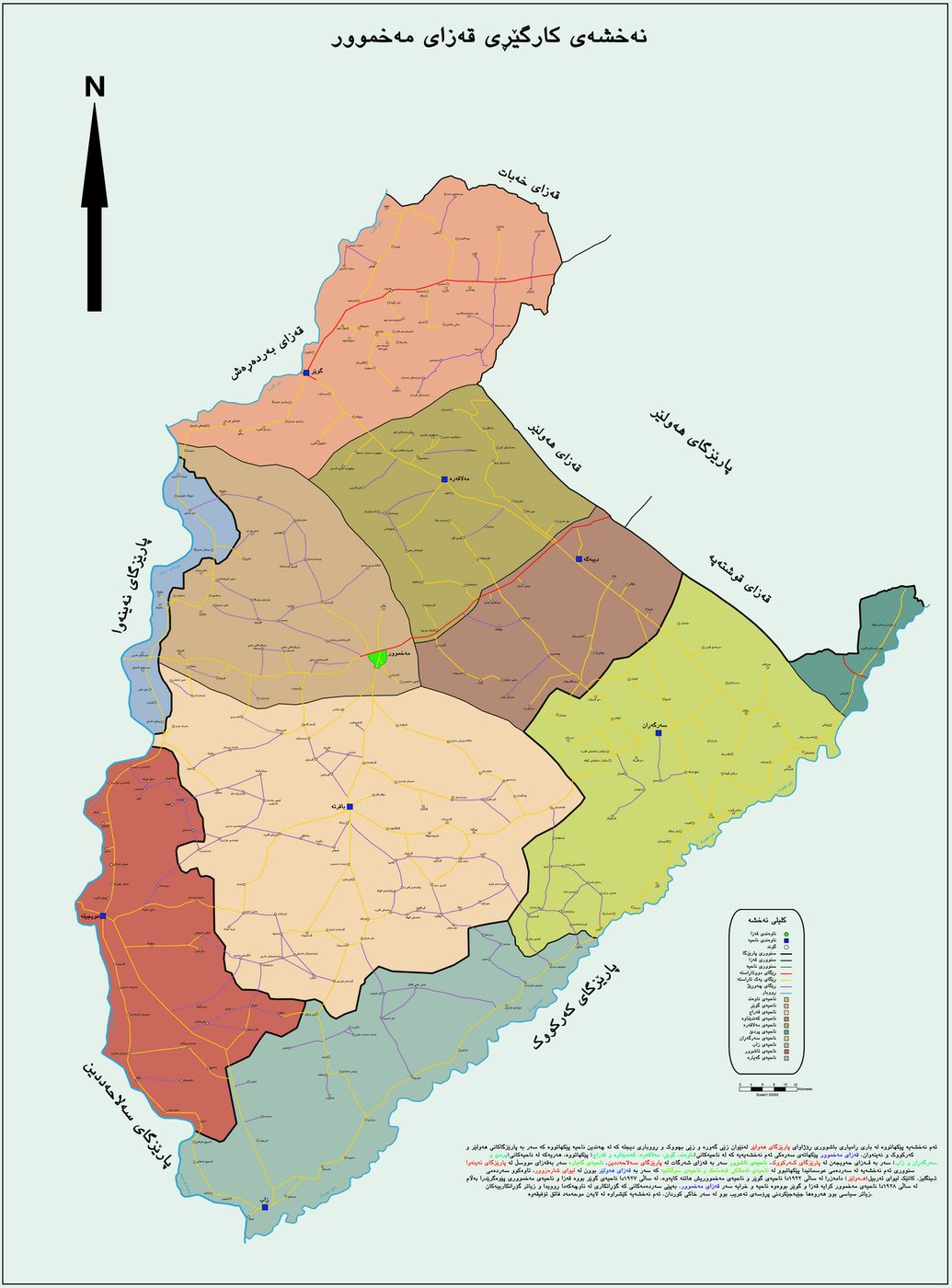 District Photo
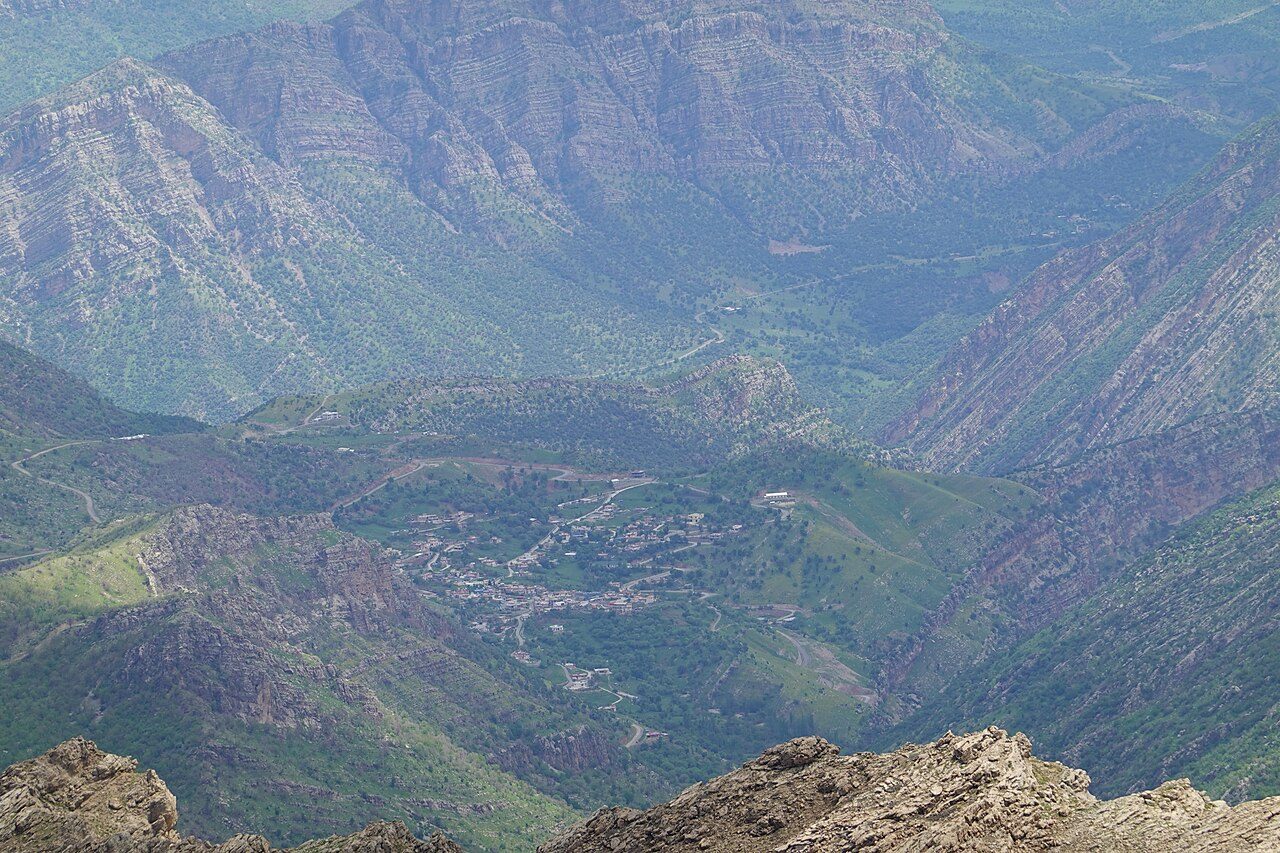
Makhmur District
Vast fertile wheat belt and pastoral plains anchored by the historic Qarachogh mountain ridge.
 District Photo
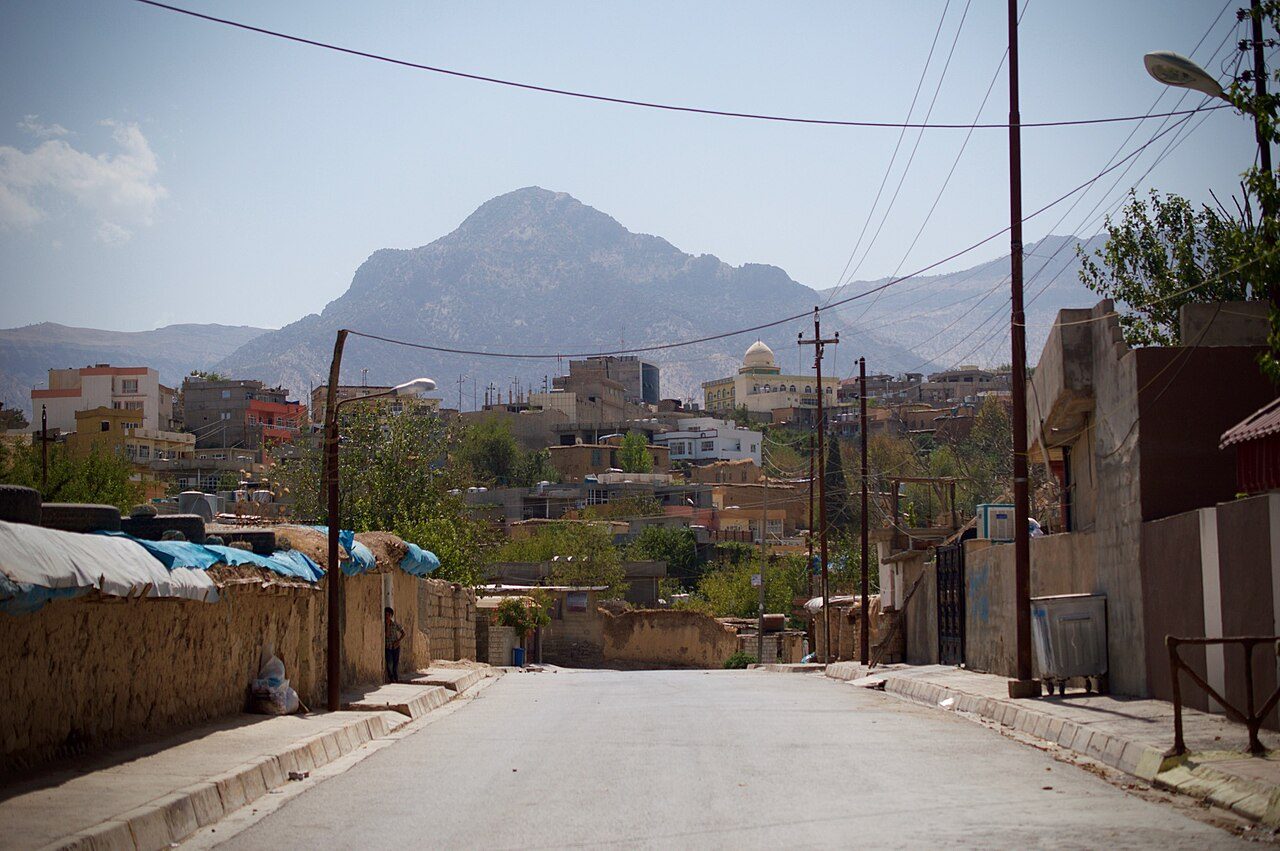
Mergasor District
Pristine forested mountain reserve along the Greater Zab River, home to the ancient Shanidar Neanderthal Cave and the historic Barzan region.
 District Photo
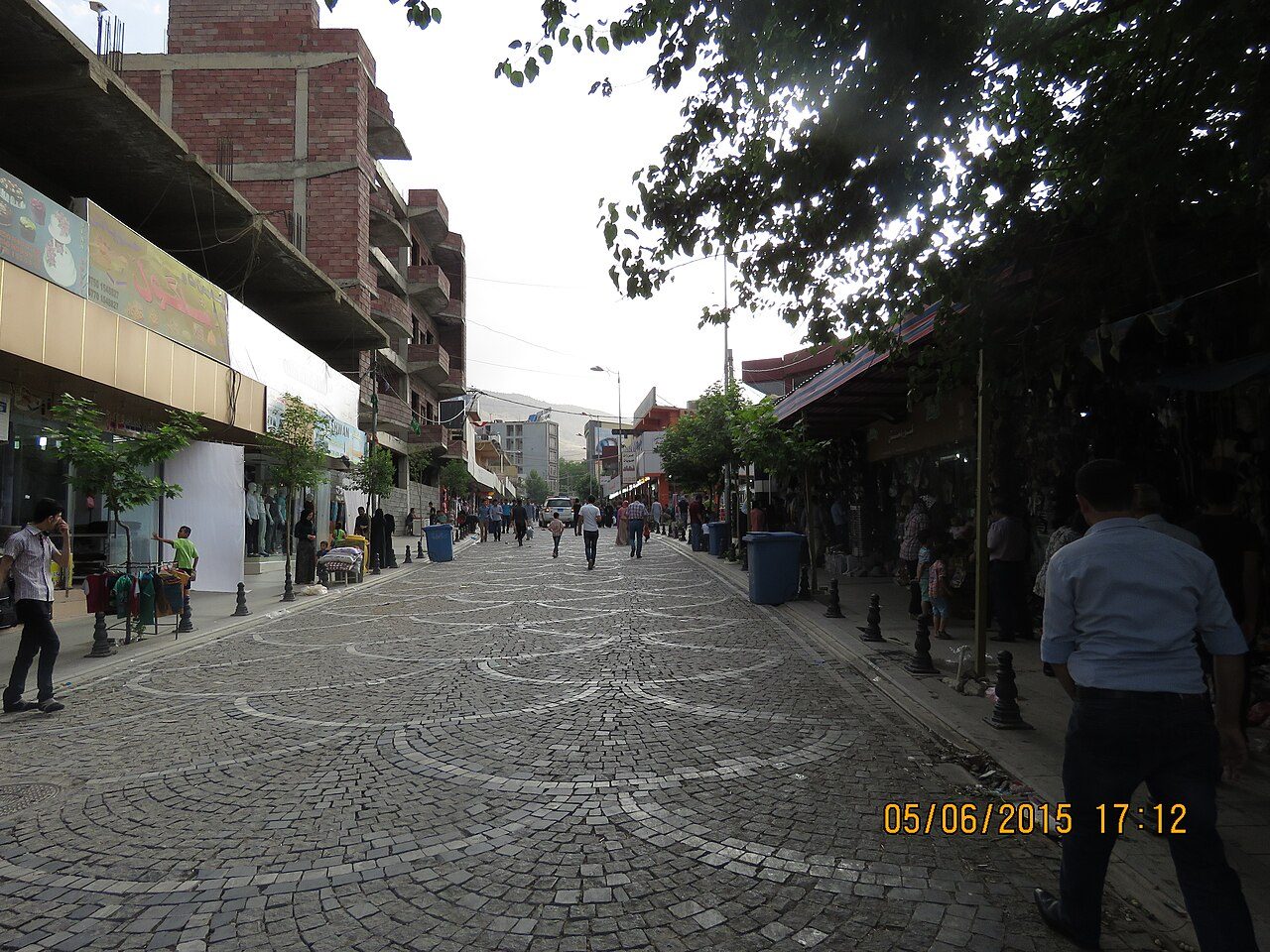
Rawanduz District
Spectacular canyon capital famous for the dramatic Rawanduz Gorge, Hamilton Road, roaring Bekhal cascades, and Pasha Rawanduz history.
 District Photo
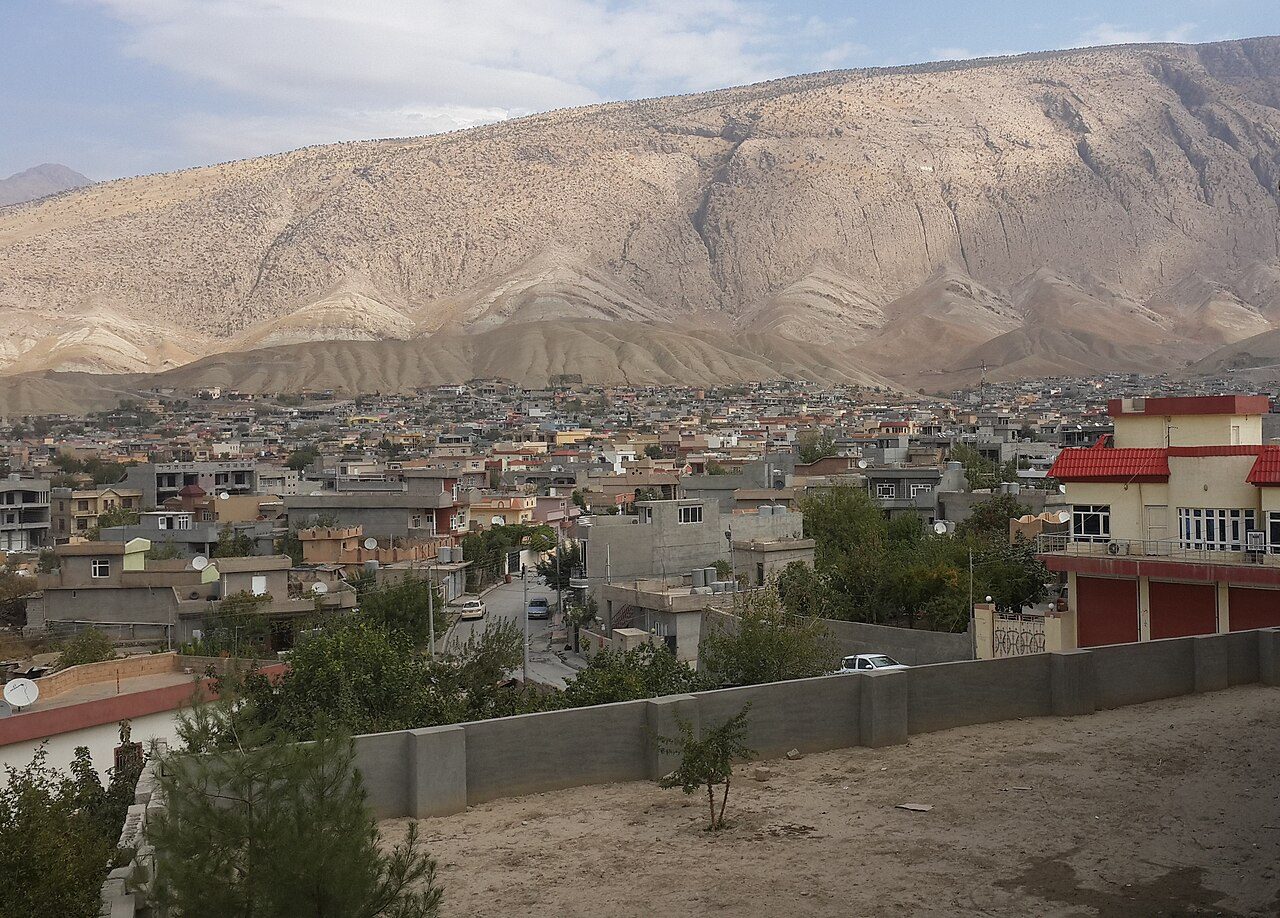
Shaqlawa District
A lush mountain resort town tucked at the base of Mount Safeen, celebrated for walnut groves, sweet honey, fresh springs, and summer tourism.
 District Photo
Soran (Diana) District
Alpine commercial gateway encircled by Mount Korek, Mount Bradost, and Mount Handren, connecting northern mountain valleys.
Sub-towns & Localities ناحیەکانی هەولێر
10 Sub-towns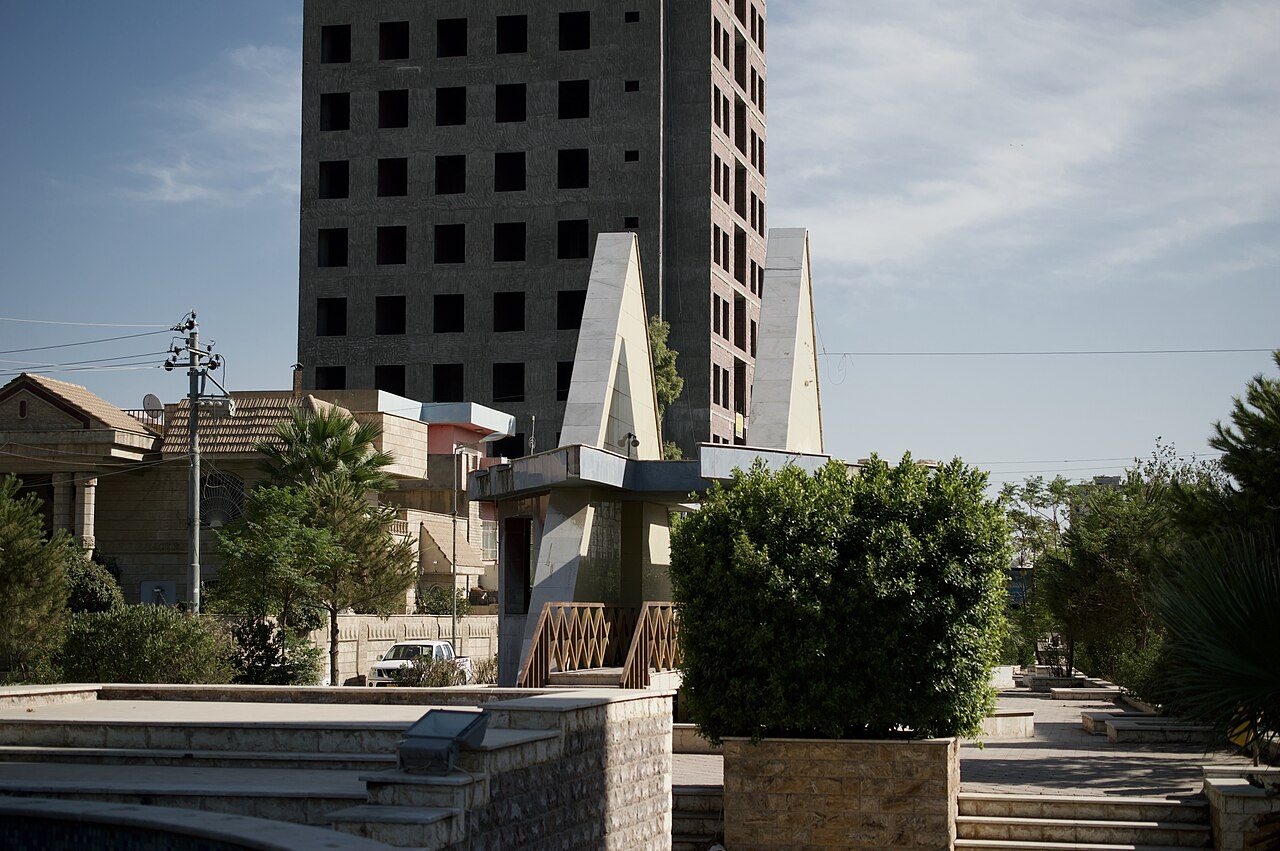 Sub-town Photo
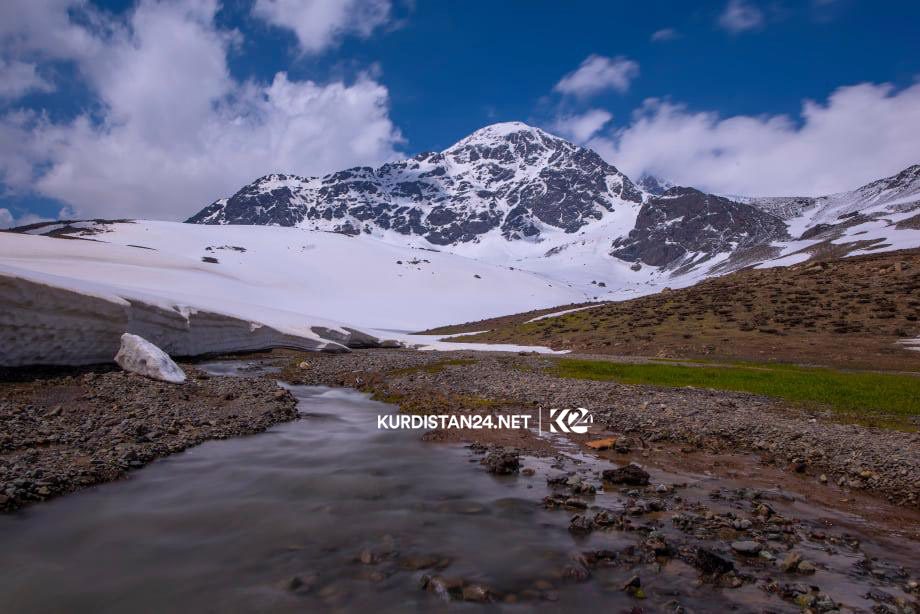
Ankawa
A vibrant historic Christian district renowned for St. Joseph Cathedral, Syriac Heritage Museum, lively night cafes, and multicultural harmony.
 Sub-town Photo
Galala
Alpine gorge town situated at the foot of Mount Halgurd, surrounded by apple orchards and mountain streams.
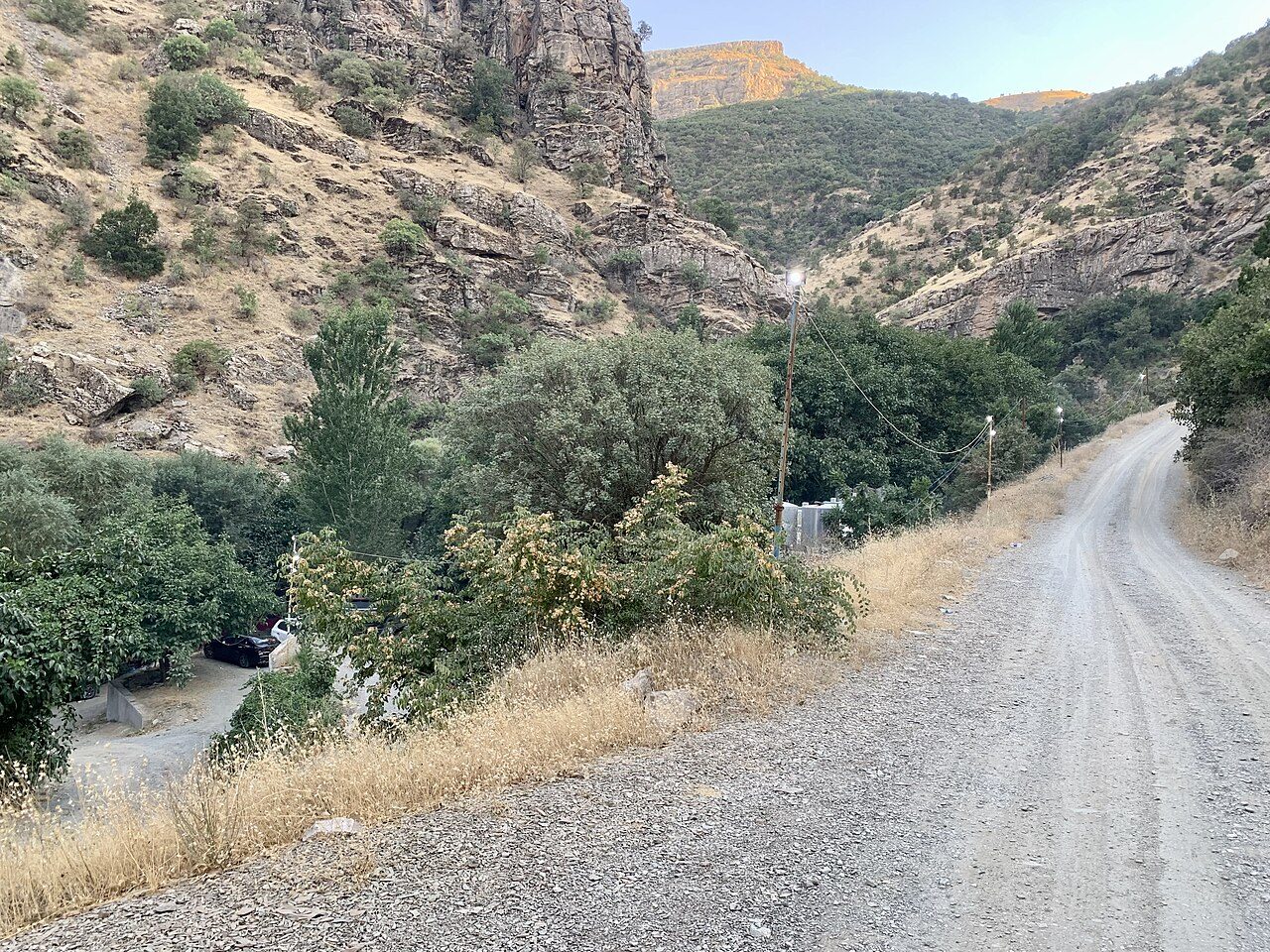 Sub-town Photo
Hajj Umran
High-altitude border resort famed for snow-capped winter peaks, natural mineral springs, and cool mountain air.
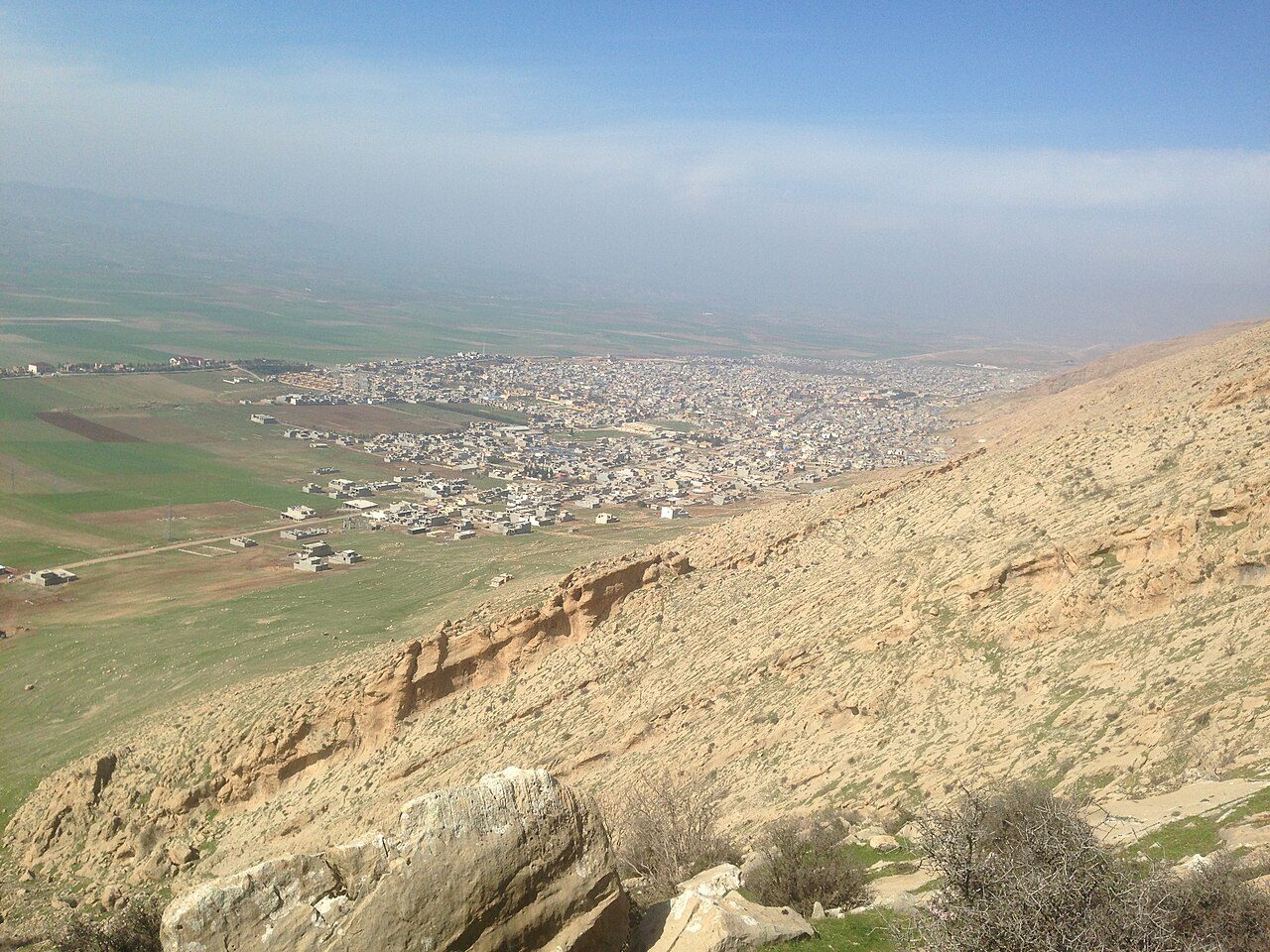 Sub-town Photo
Harir
Historic agricultural basin with an ancient fortress mound, lush orchards, and scenic mountain pass.
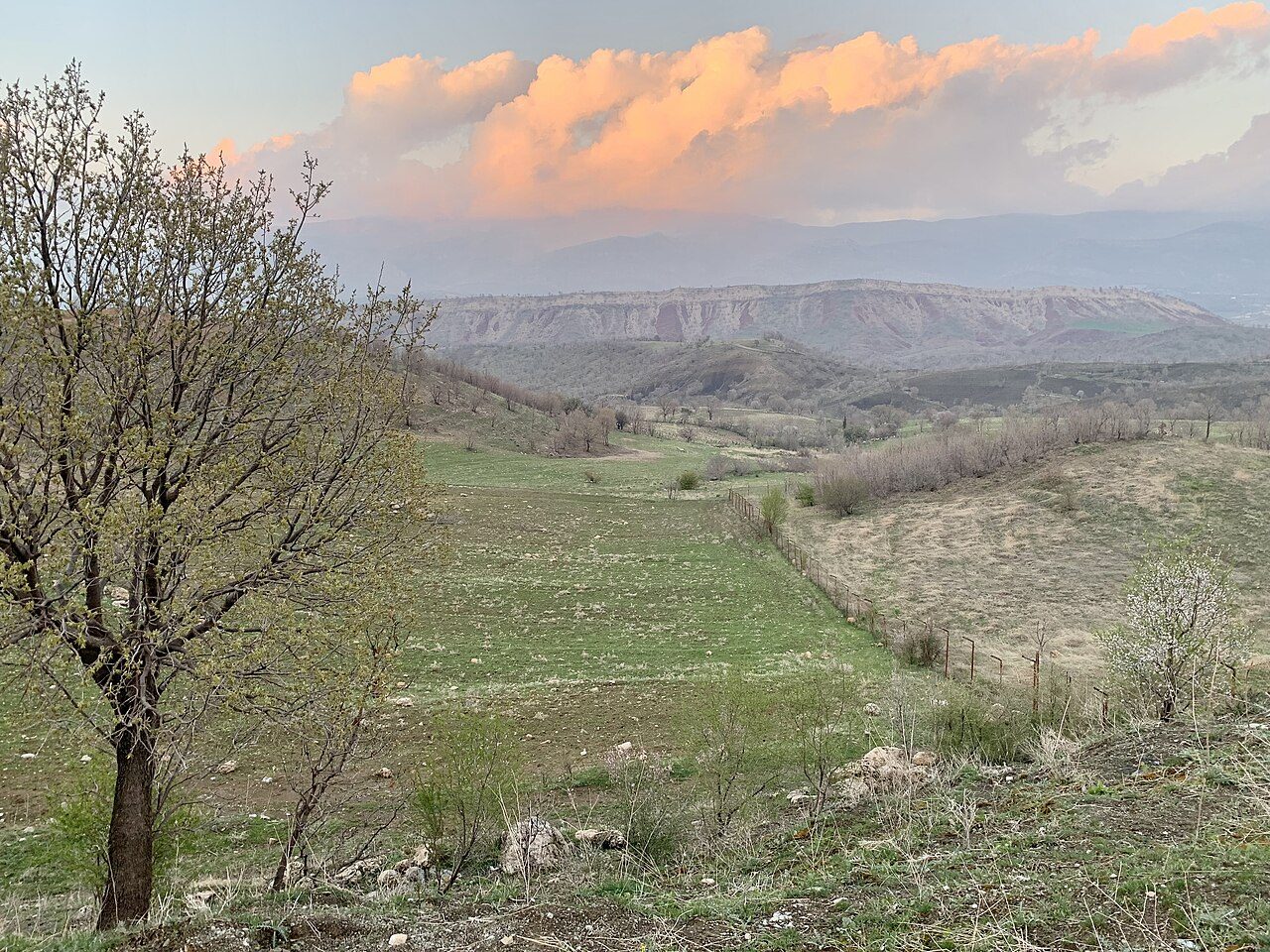 Sub-town Photo
Hiran
Mountain valley nestled near Safeen, famous for walnut trees, ancient dervish tekkes, and natural cold springs.
 Sub-town Photo
Kasnazan
Rapidly growing modern suburban hub east of Erbil with community parks and water reservoirs.
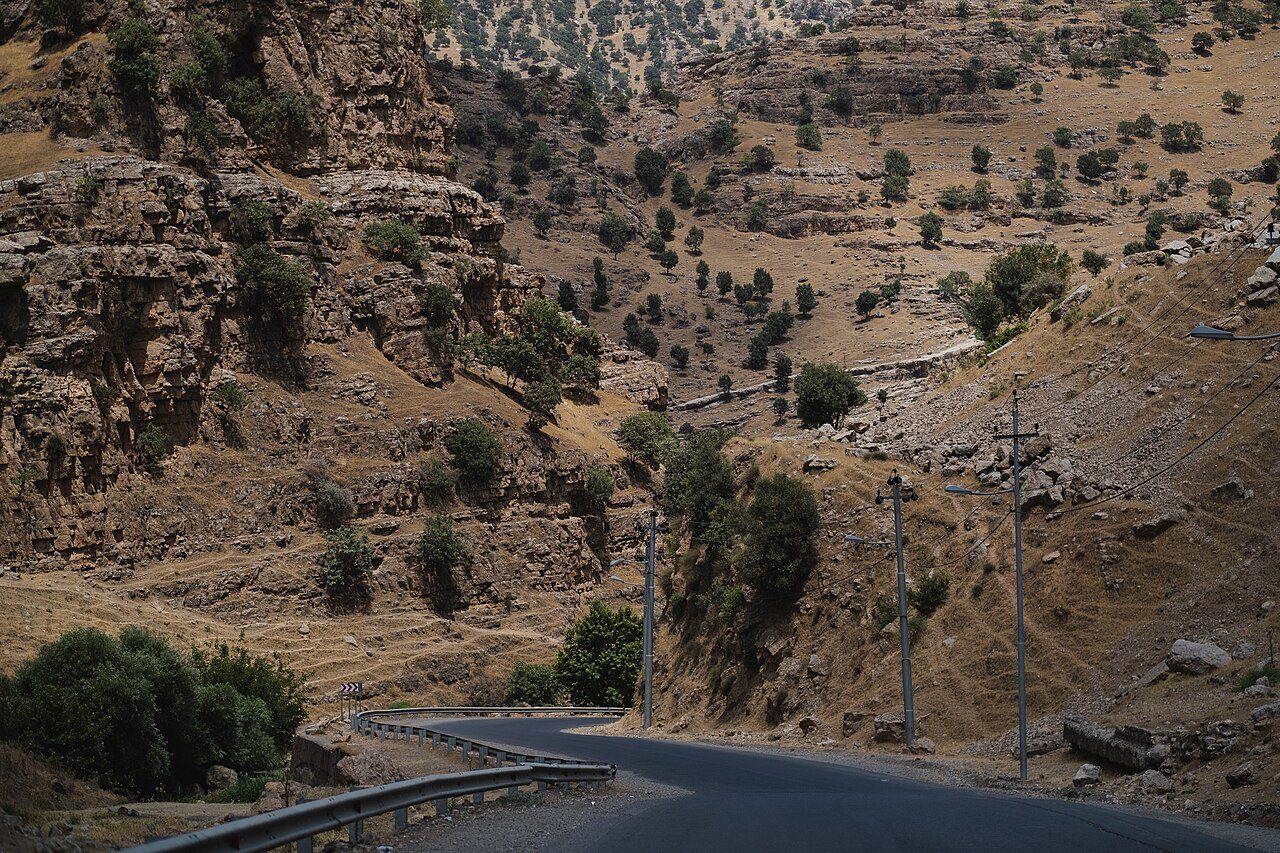 Sub-town Photo
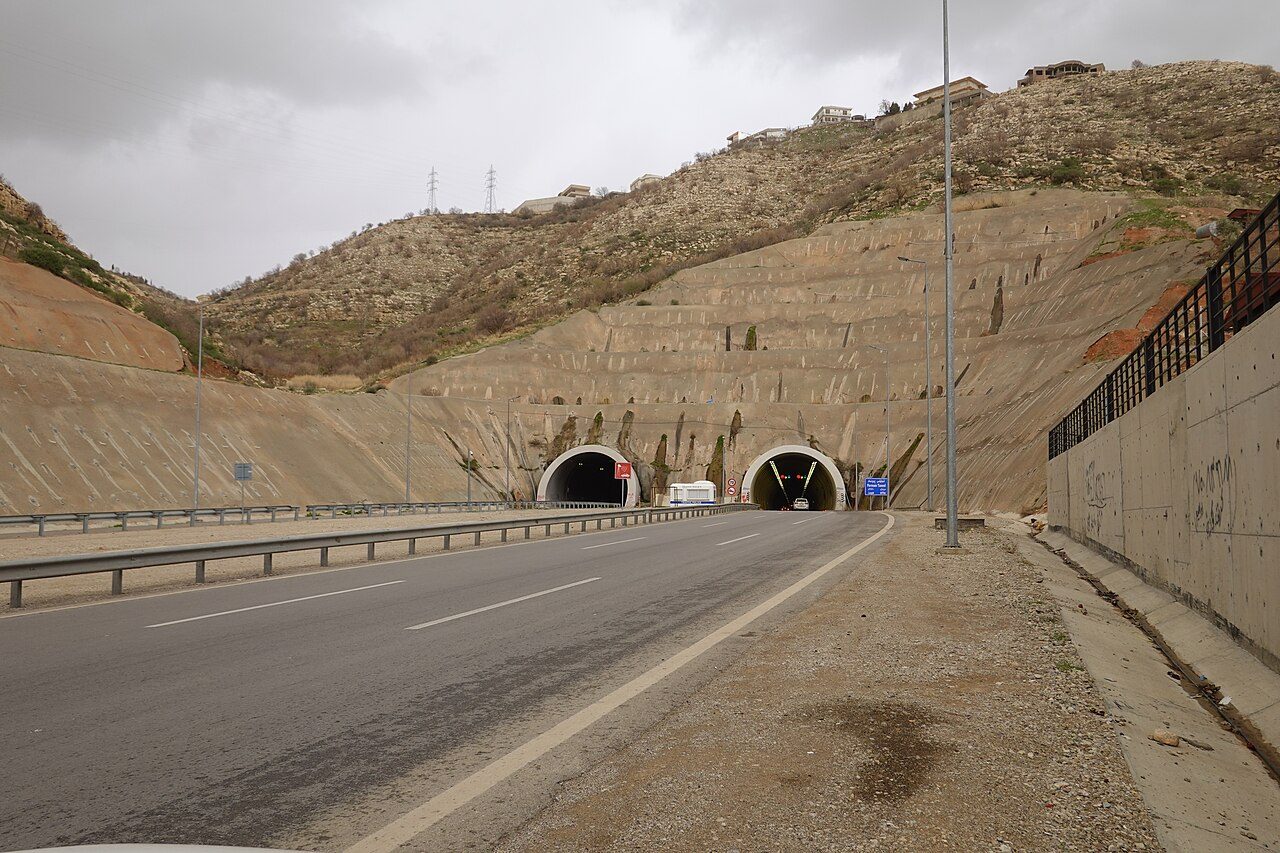
Khalifan
Gateway to Geli Ali Beg waterfall, where alpine gorges meet cascading crystal mountain streams.
 Sub-town Photo
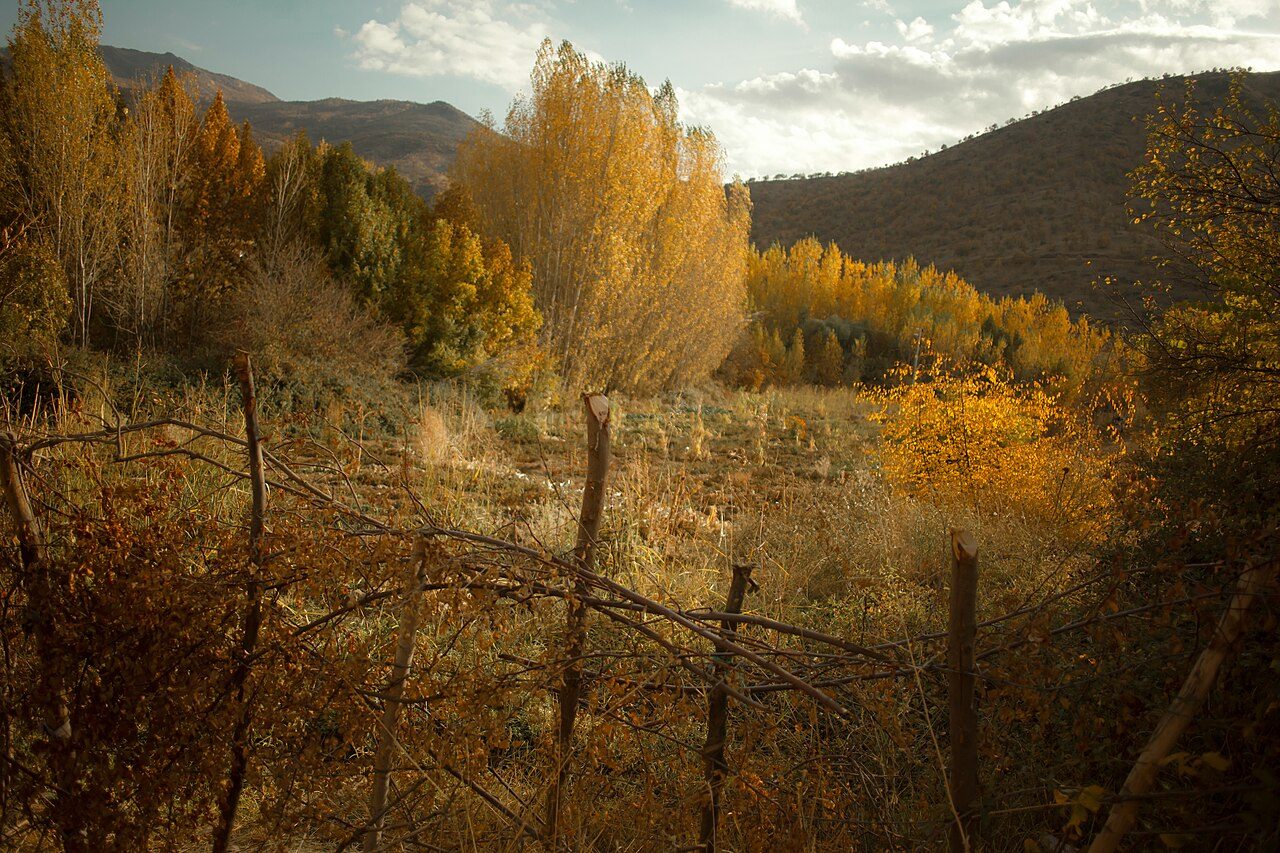
Salahaddin (Piramam)
Cool summer resort on the crest of Mount Safeen, dotted with pine forests, executive retreats, and breathtaking vistas of the Erbil plain.
 Sub-town Photo
Sidakan
High Zagros plateau town bordering Iran and Turkey, famous for wildflower meadows and honey production.
 Sub-town Photo
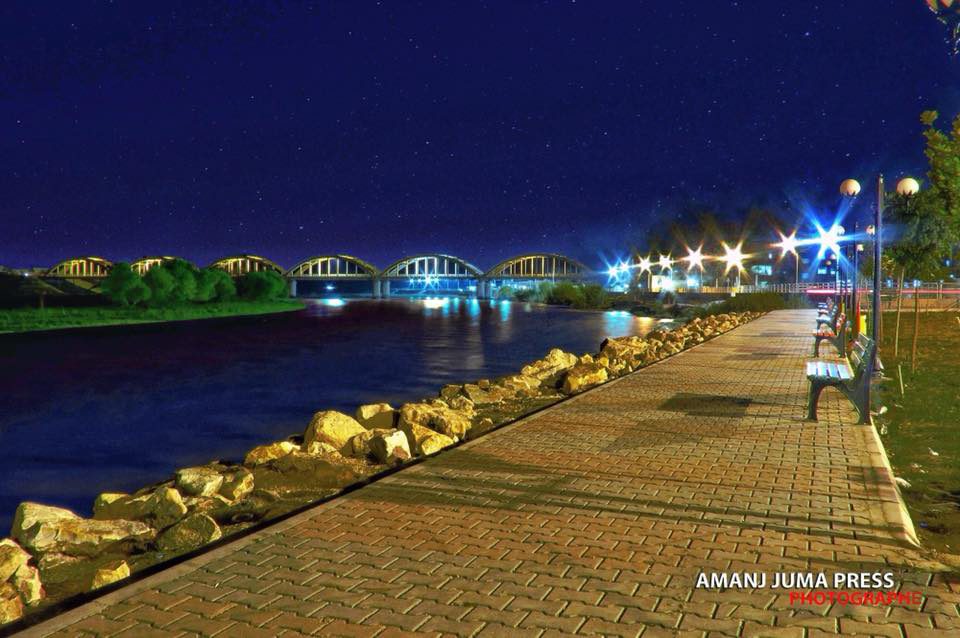
Taq Taq
Picturesque river town on the Lesser Zab River, renowned for water rafting, fresh river fish, and pomegranate gardens.
Featured Mountain Villages & Hamlets گوندەکانی هەولێر
10 Villages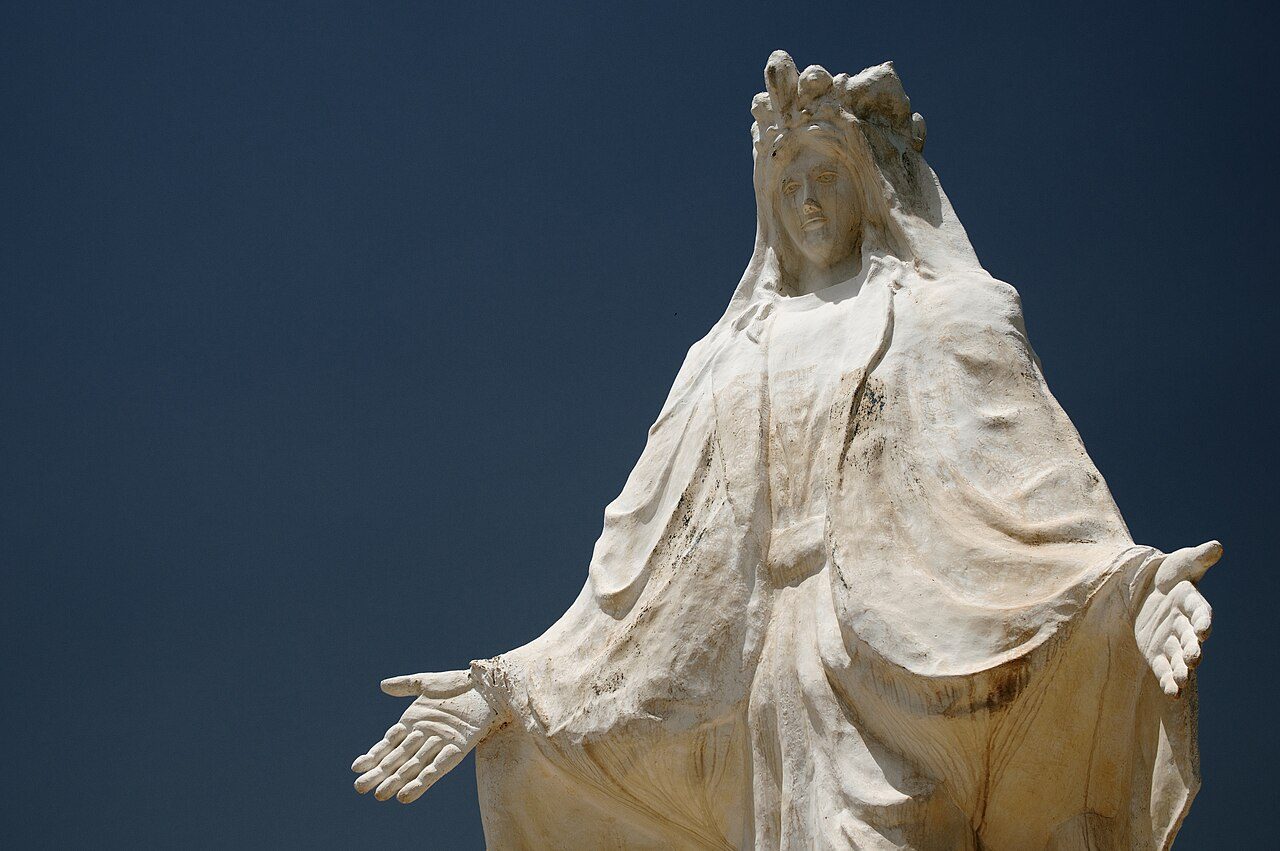 Village Photo
Armota Village
Historic Christian village near Koya home to the ancient Mar Behnam monastery, ancient olive trees, and tranquil rural vineyards.
Mar Behnam Monastery, Olive Groves & Grapes
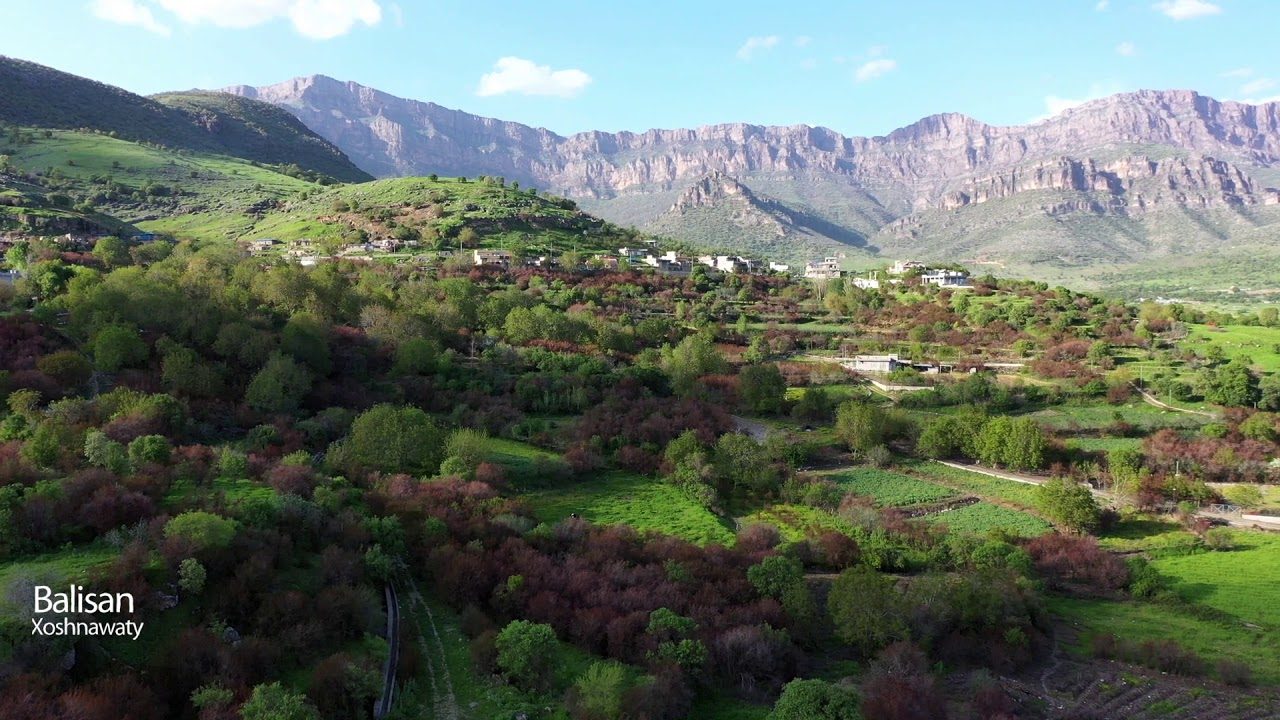 Village Photo
Balisan Valley Villages
Fertile valley villages renowned for sweet pomegranates, figs, and resilient mountain communities who rebuilt their villages after tragic history.
Organic Pomegranates, Fresh Figs & Mountain Walnuts
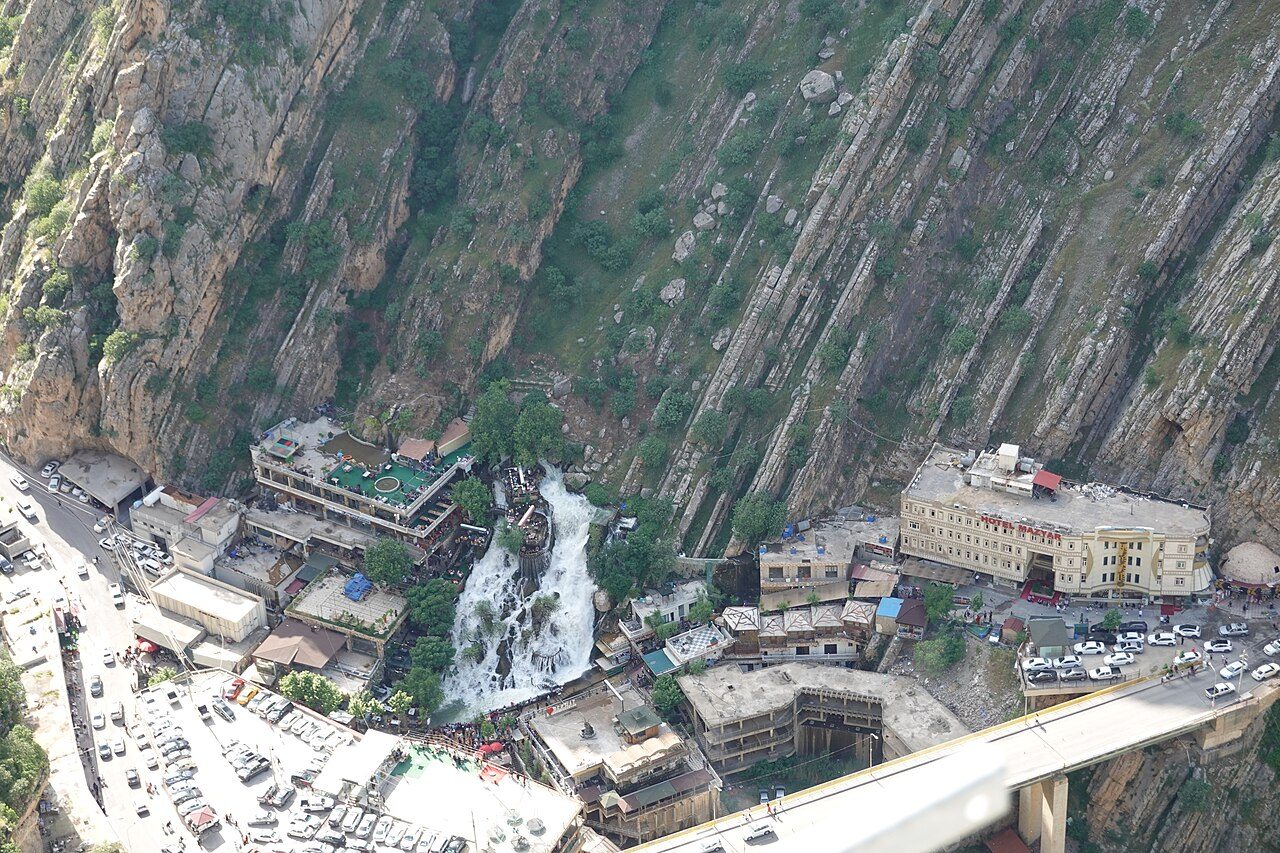 Village Photo
Balkian Village
Picturesque village located where mountain rivers merge near Soran, famous for stone bridges, shaded picnic lawns, and pomegranate trees.
Riverside Tea Gardens & Wild Thyme
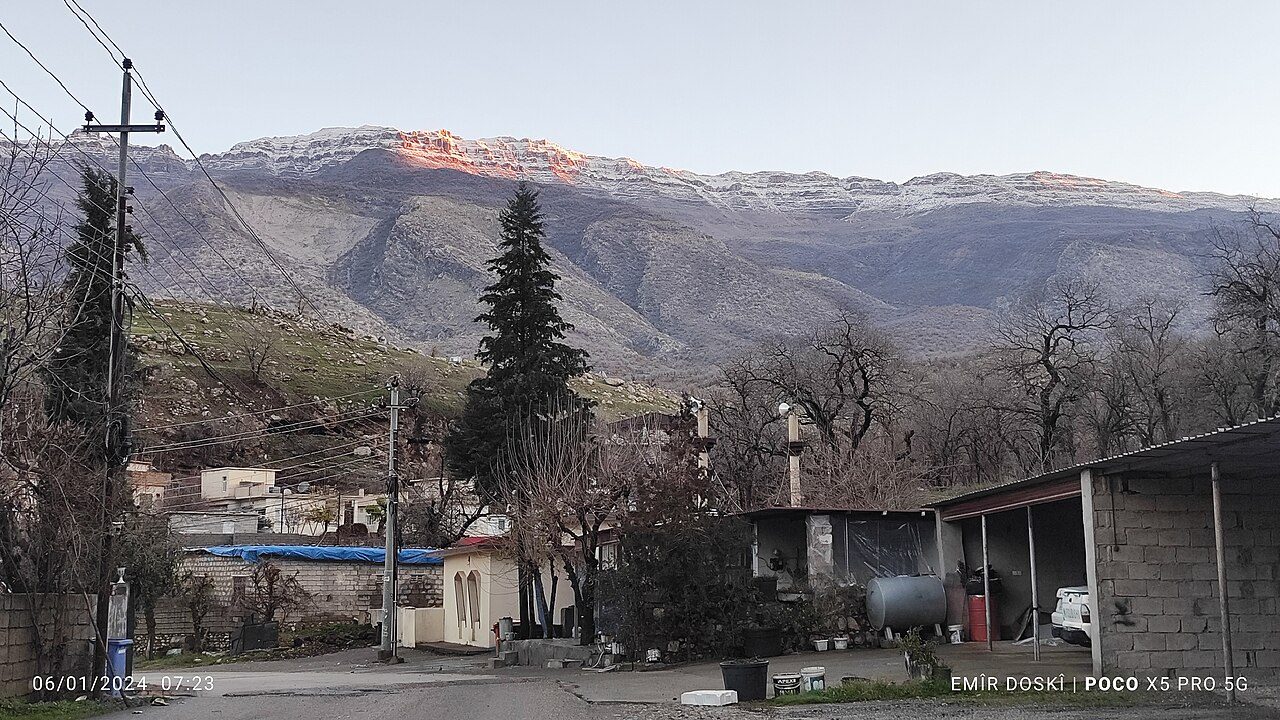 Village Photo
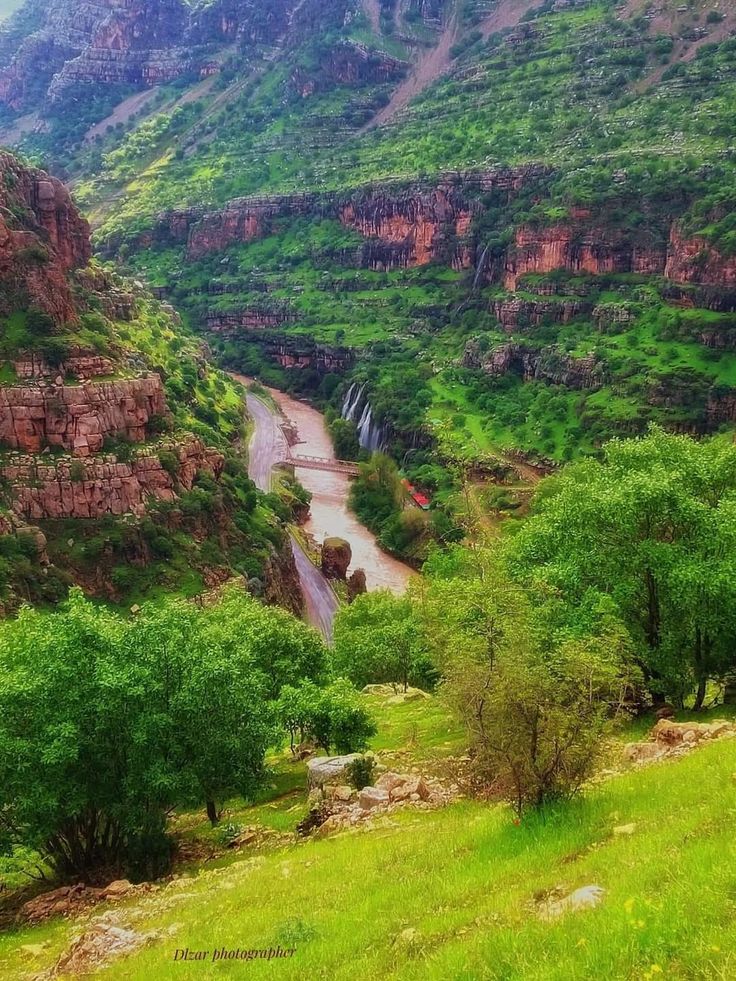
Barzan Village
The ancestral Kurdish village along the Greater Zab River, home to pristine wildlife conservation areas where mountain ibex and gazelles roam freely under community protection.
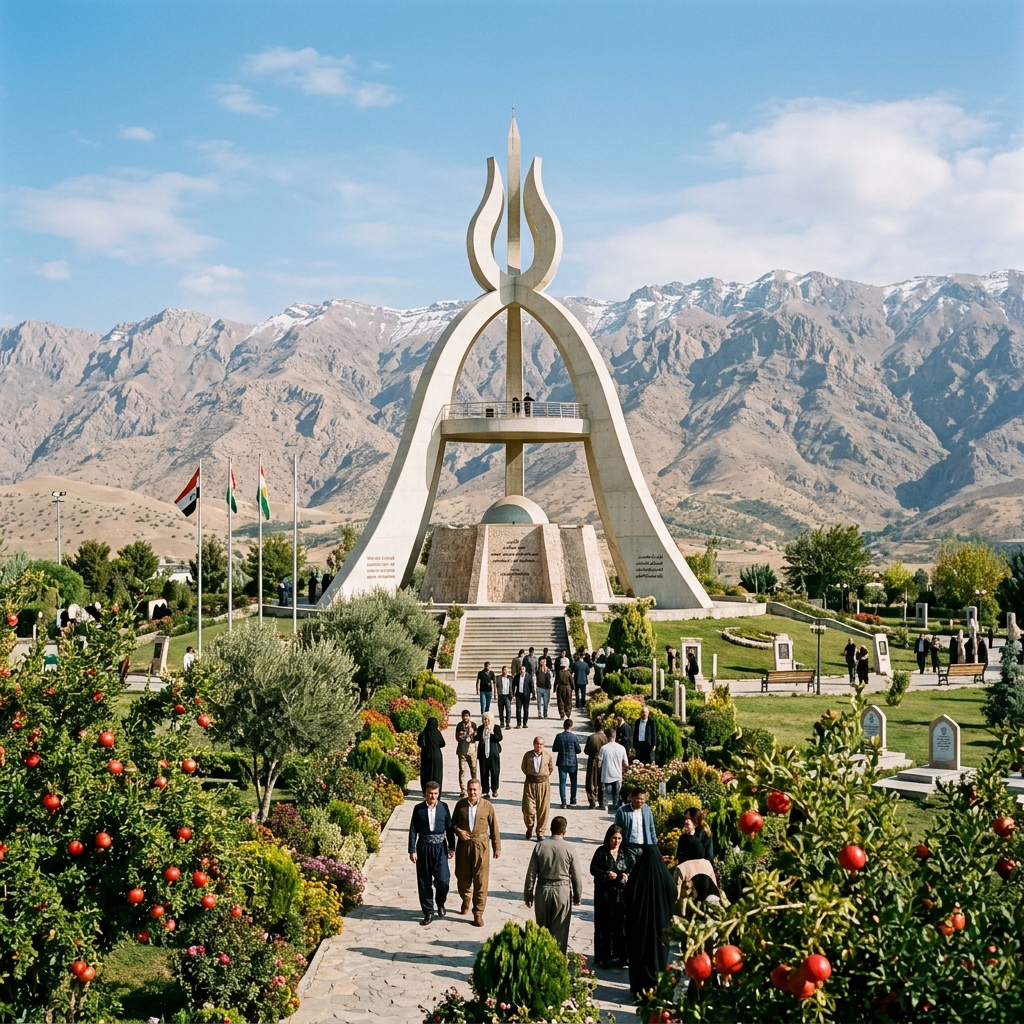
Wild Ibex Conservation, Walnut Forests & Barzan Memorial
 Village Photo
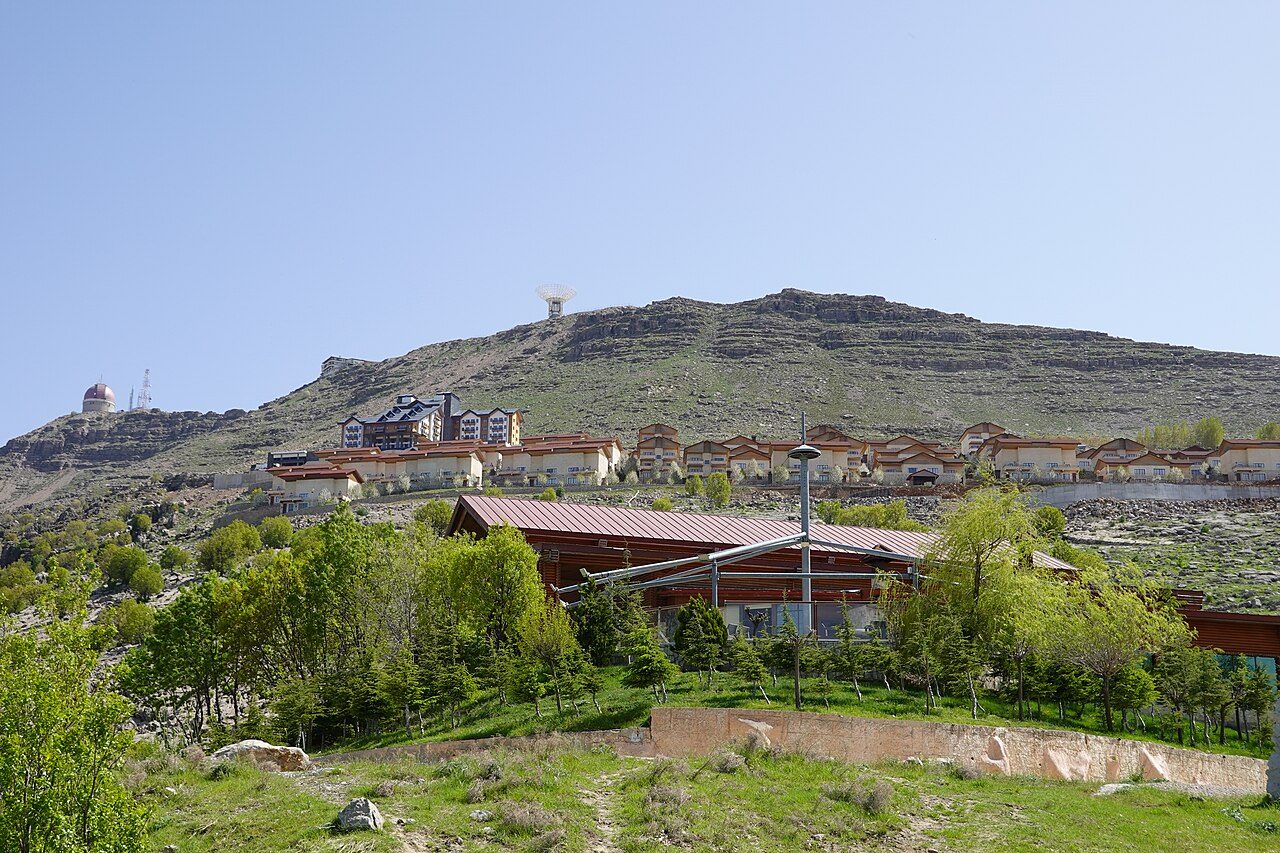
Kanimaran Village
Traditional village built on the slopes of Mount Safeen, celebrated for pure sweet mountain spring water and stone-terraced apple orchards.
Sweet Spring Waters, Mountain Apples & Cherries
 Village Photo
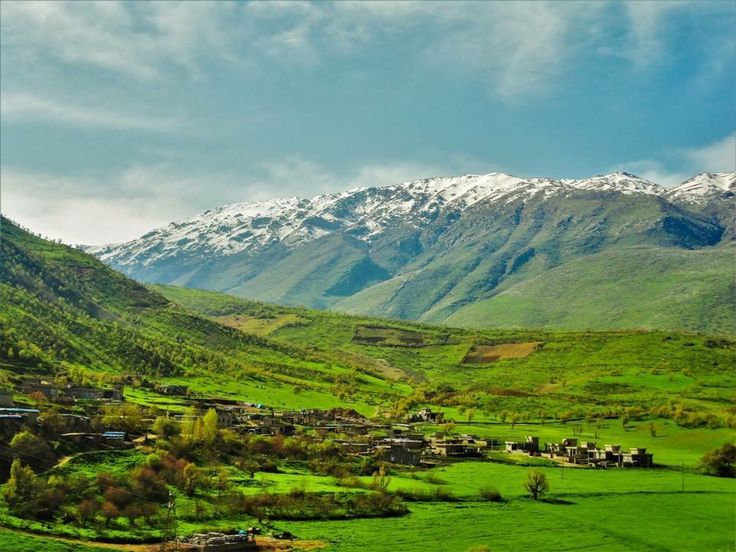
Mawilian Village
Perched atop dramatic limestone cliffs overlooking the Rawanduz river gorge with terraced stone cottages and panoramic canyon views.
Canyon Overlooks, Mountain Honey & Walnut Trees
 Village Photo
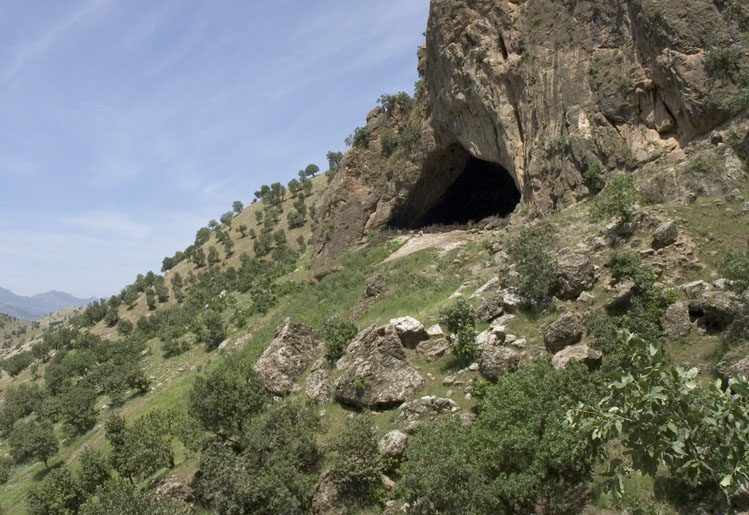
Rust Village
High-altitude hamlet situated at the head of Rust Valley beneath snowfields, famous for ice-cold glacier water and organic dairy.
Glacial Streams, Kurdish Mountain Herbs & Honey
 Village Photo
Shanidar Village
Historic mountain village located at the foot of Bradost Mountain, directly below the world-famous Shanidar Neanderthal Cave where 60,000-year-old flower burials were discovered.
Shanidar Cave Sanctuary, Spring Waters & Fig Orchards
 Village Photo
Siktan Village
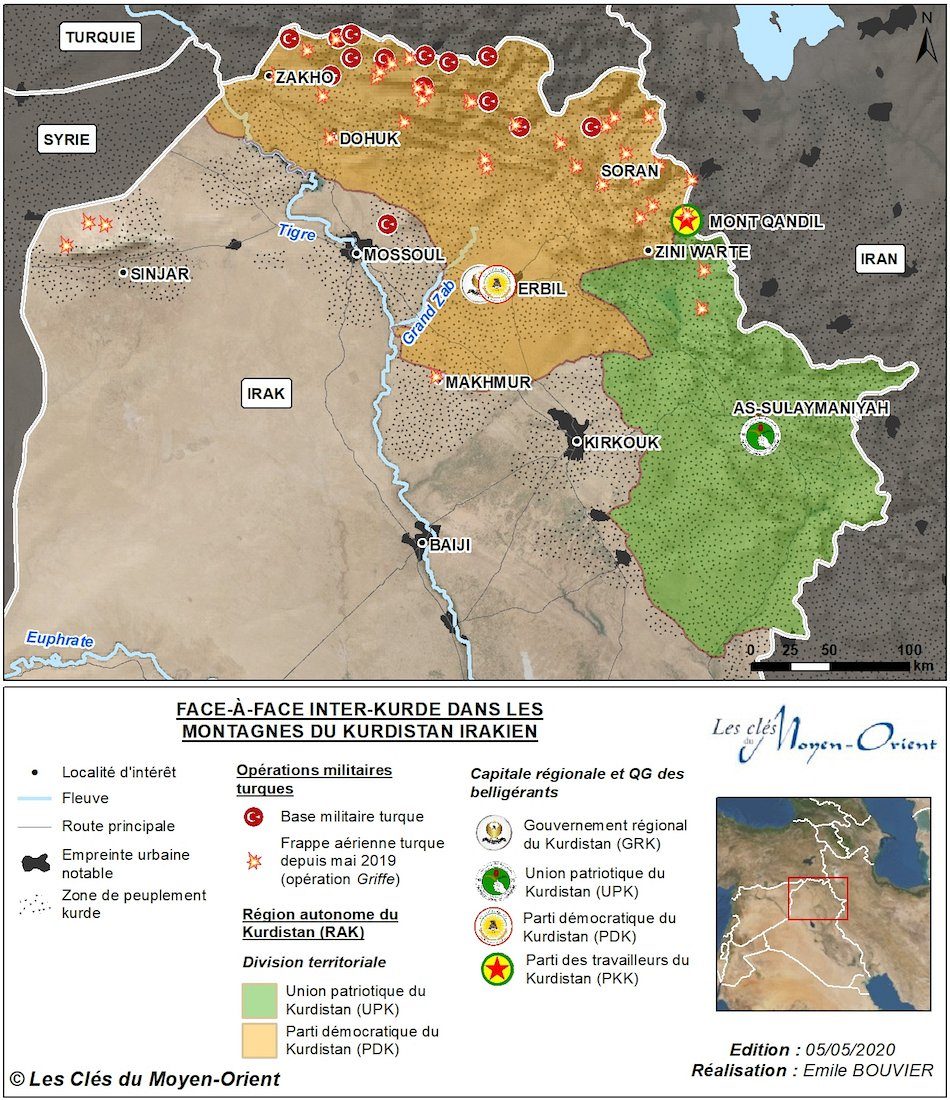
Enchanting green village tucked in a hidden valley between Koya and Shaqlawa, famous for natural cascading springs, cool shade, and fresh trout.
Fresh Spring Cascades, Vineyards & Trout Farms
 Village Photo
Zini Werte Pass Village
Stunning mountain village nestled in the high pass connecting Rawanduz and Ranya, offering alpine meadows and panoramic mountain peaks.
High Altitude Picnic Meadows & Mountain Herbs
Landmarks & Attractions
Must-see historical sites, mountain resorts, and natural sanctuaries in Erbil Governorate.
Erbil Citadel (UNESCO)
Continuous settlement over 5,000 years with panoramic city vistas and restored mansions.
Rawanduz Canyon & Hamilton Road
Epic limestone gorge highway carved through towering cliffs.
Bekhal Waterfall
Roaring alpine cascade with riverside tea houses and traditional dining.
Mount Korek Resort & Cable Car
4km teleferik ride up to 2,000m peaks with winter skiing and alpine rides.
Shanidar Neanderthal Cave
World-famous 60,000-year-old archaeological cave sanctuary in Bradost Mountain.
Qaysari Grand Bazaar
Centuries-old covered bazaar famous for Kurdish spices, gold, textiles, and sweets.
Universities & Colleges of Erbil
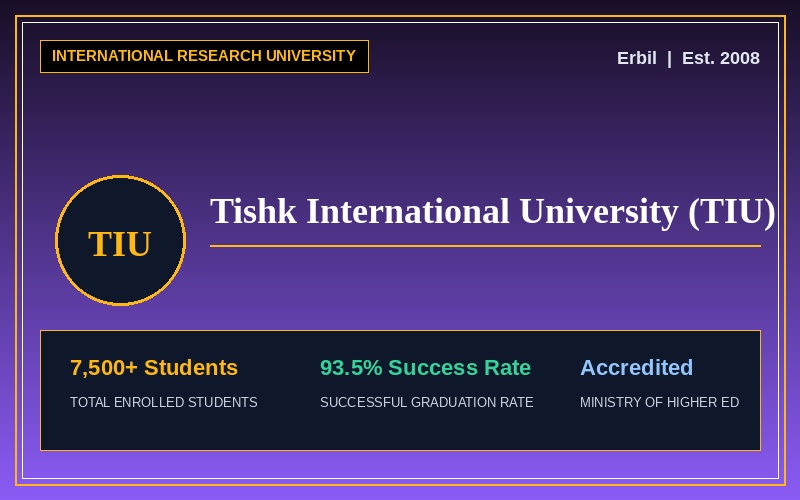
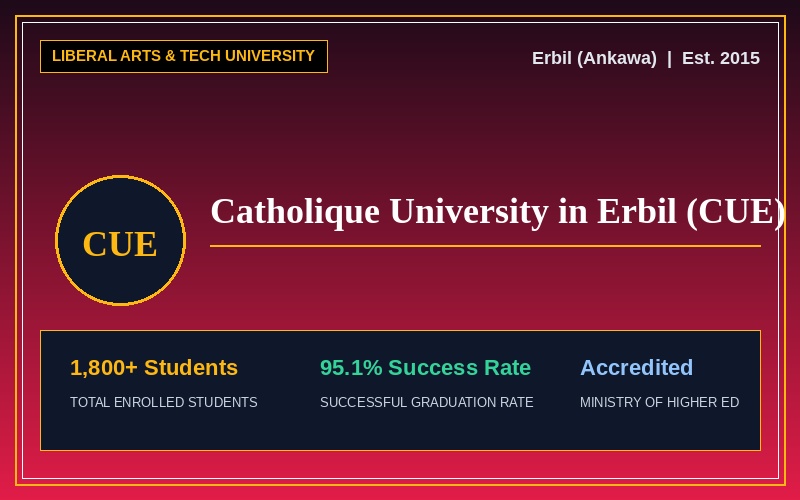
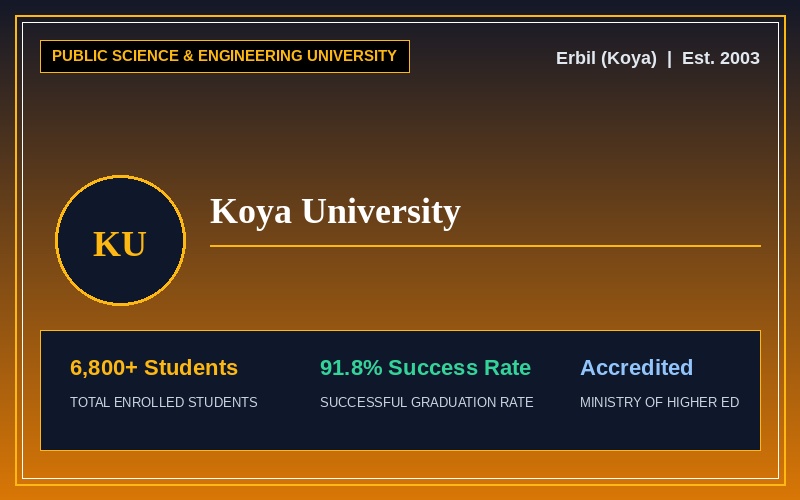
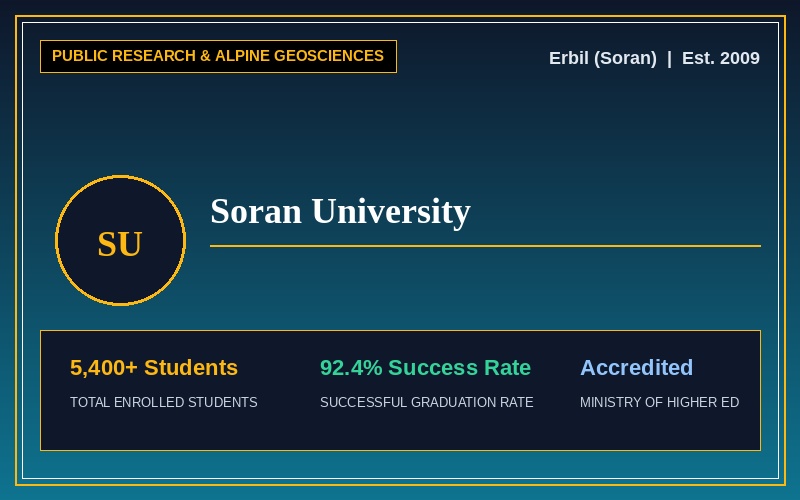
Prominent public universities, technical institutes, and academic centers located in this governorate.
Gastronomy of Erbil
Signature culinary specialties, mountain spices, and local delicacies native to this governorate.
Erbil Charcoal Kebab
Juicy spiced minced lamb skewers grilled over sumac charcoal with tandoor naan.
Shaqlawa Walnut Halwa
Rich handmade confectionery made with locally harvested mountain walnuts and grape molasses.
Zab River Grilled Fish (Masgouf)
Fresh freshwater river carp grilled horizontally over open wood fires with tamarind and herbs.
Interconnected Heritage of Erbil
Explore how Erbil connects to ancient history, traditional culture, architecture, and language in Kurdistan.
Other Governorates of Kurdistan
Continue your journey across all 5 major metropolitan and mountain regions.
No comments yet. Be the first member to start the discussion!