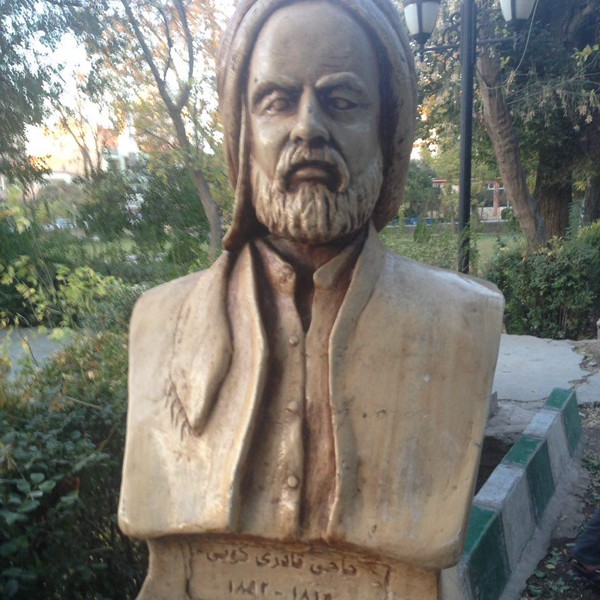
Haji Qadiri Koyi was born in 1817 in the historic intellectual town of Koya within the Erbil governorate. Educated in the rigorous madrasas of Kurdistan, he mastered Kurdish, Persian, Arabic, and Ottoman Turkish, absorbing classical Islamic sciences before embarking on extensive travels to Istanbul, then the bustling cosmopolitan crossroads of European Enlightenment and Ottoman modernization.
In Istanbul, Haji Qadir formed close alliances with the Bedirxan family and reformist intellectuals. Witnessing the rapid technological and political strides of European nations, Haji Qadir revolutionized Kurdish poetry. Departing from traditional religious mysticism, he turned his verse into a fiery pedagogical clarion call demanding secular education for women and men, the mastery of foreign languages, the adoption of modern printing presses, and the preservation of Kurdish national archives.
Haji Qadir was among the principal ideological inspirers behind the establishment of the first Kurdish newspaper, "Kurdistan", published in Cairo in 1898. His famous poetic adage declaring that a nation without literature, newspapers, and printing is defenseless served as the foundational manifesto of the 20th-century Kurdish national awakening.
Shifted Kurdish literature toward secular education, scientific literacy, and civil rights.
Pioneered early demands for women's schooling, literacy, and gender equality in Kurdistan.
Ideologically fathered the launch of the landmark newspaper "Kurdistan" (1898).
Wrote passionate verse urging Kurds to document their history and cherish their national mother tongue.
Haji Qadiri Koyi is immortalized as the father of modern Kurdish socio-political poetry. Koya University, central schools, cultural centers, and public libraries throughout Erbil proudly bear his name, honoring his timeless message of intellectual emancipation.