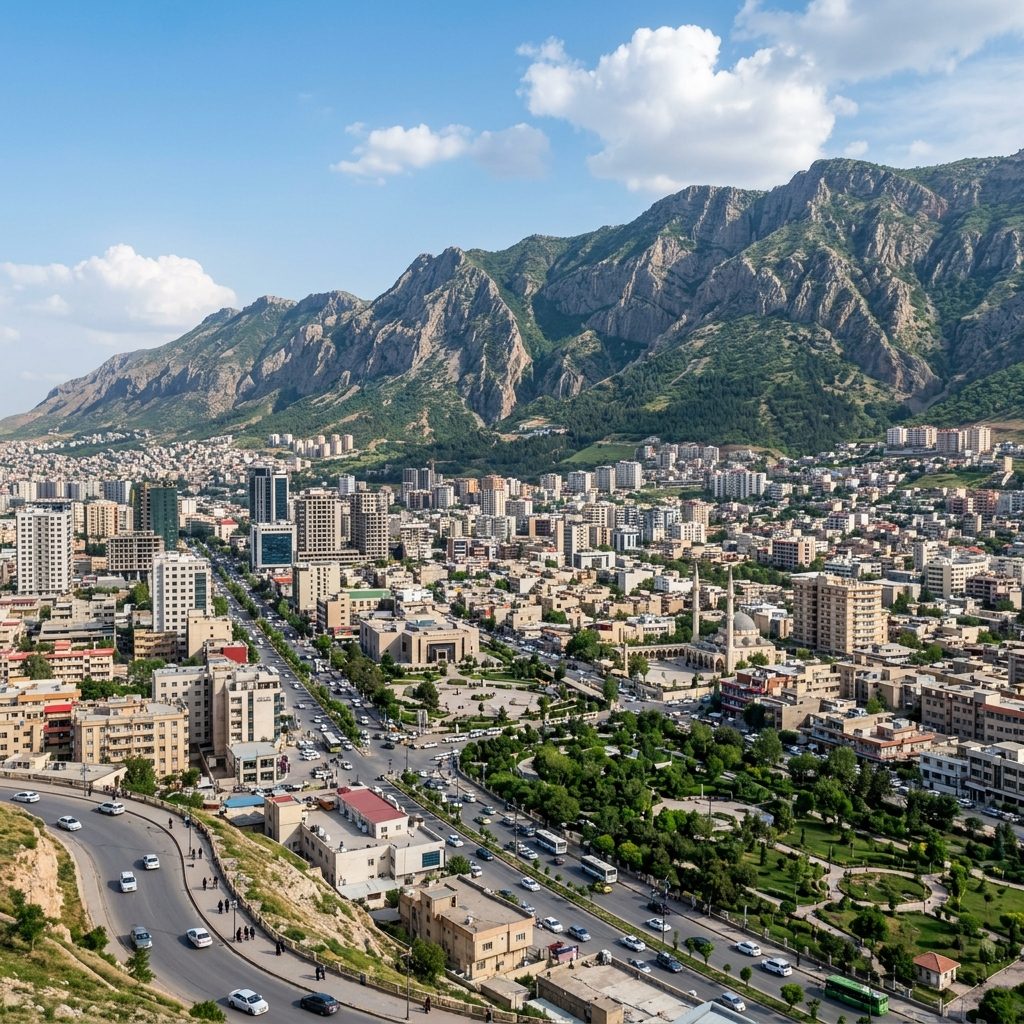
Sulaymani, Cultural Capital
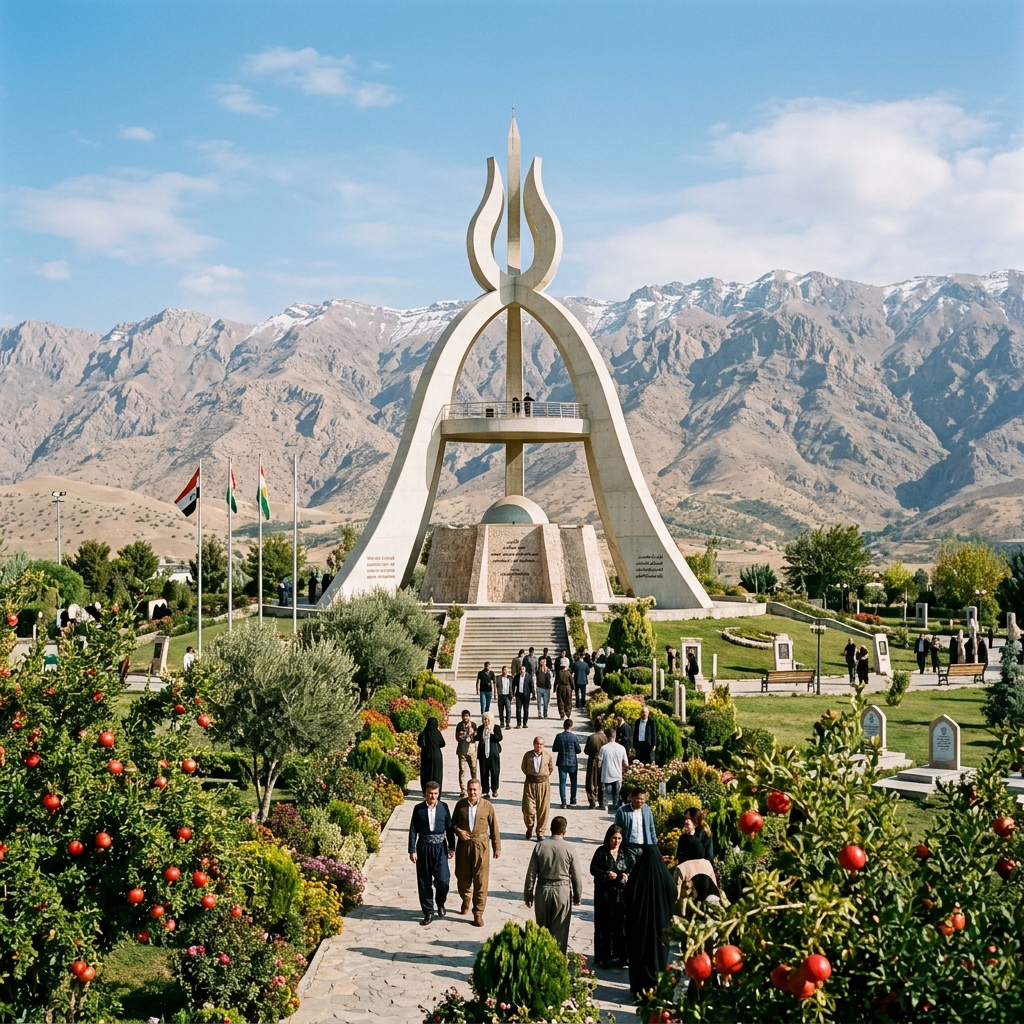
Beneath Mount Goyzha, celebrated as the cultural and intellectual capital of Kurdistan.
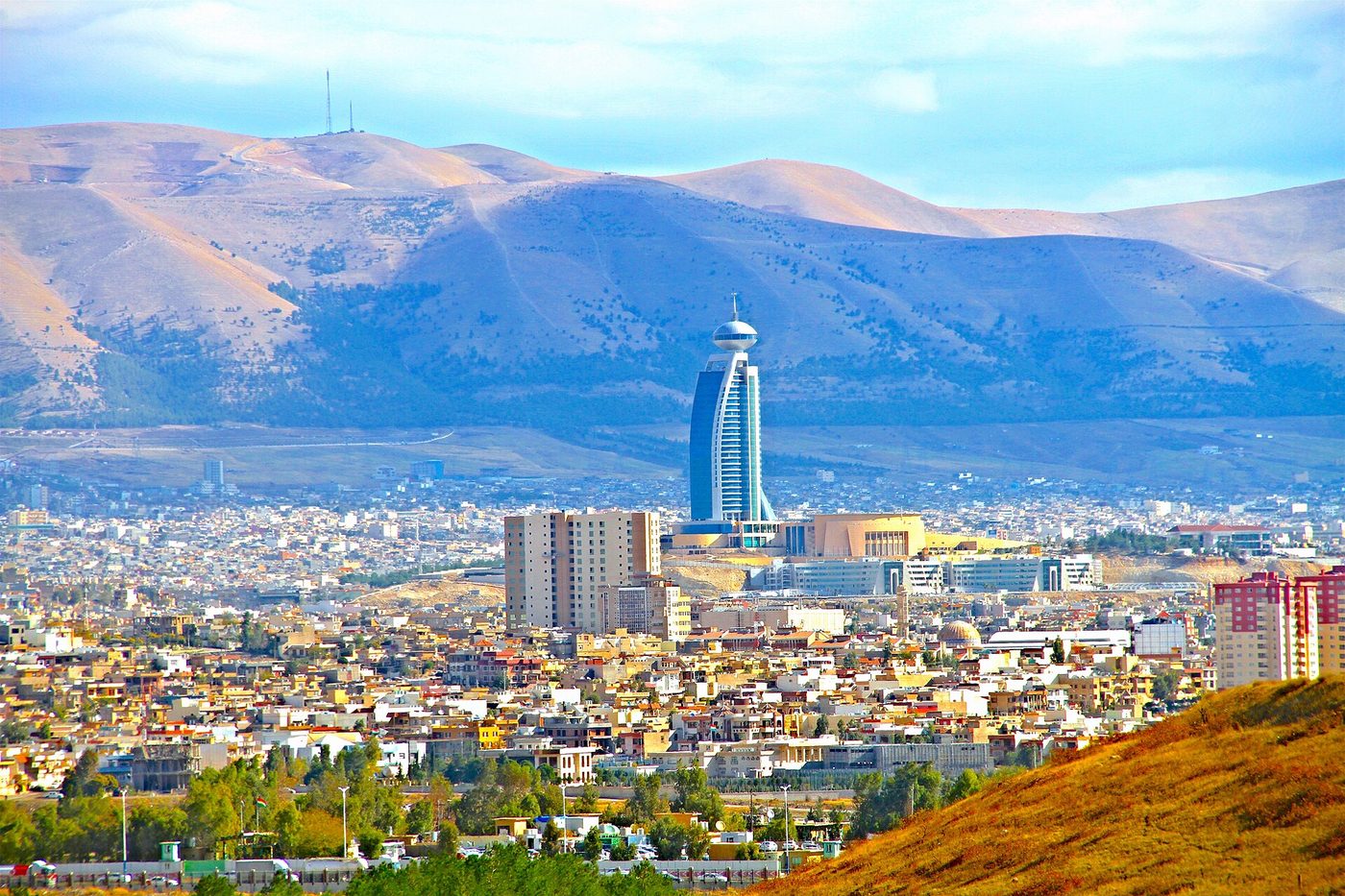
Sulaymani Centre
Bazaars, poets, bookshops and the Amna Suraka National Museum.
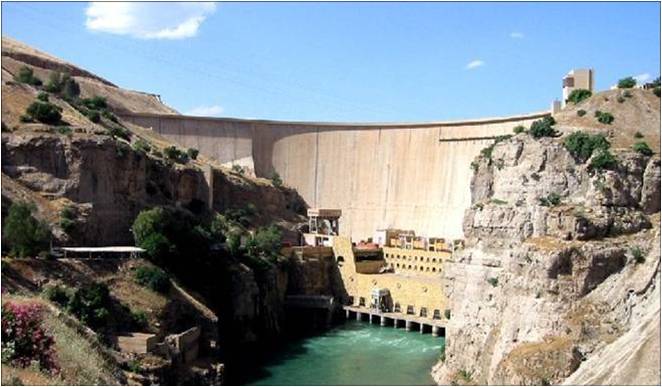
Dukan Lake
The huge mountain reservoir and one of Kurdistan's favourite getaways.
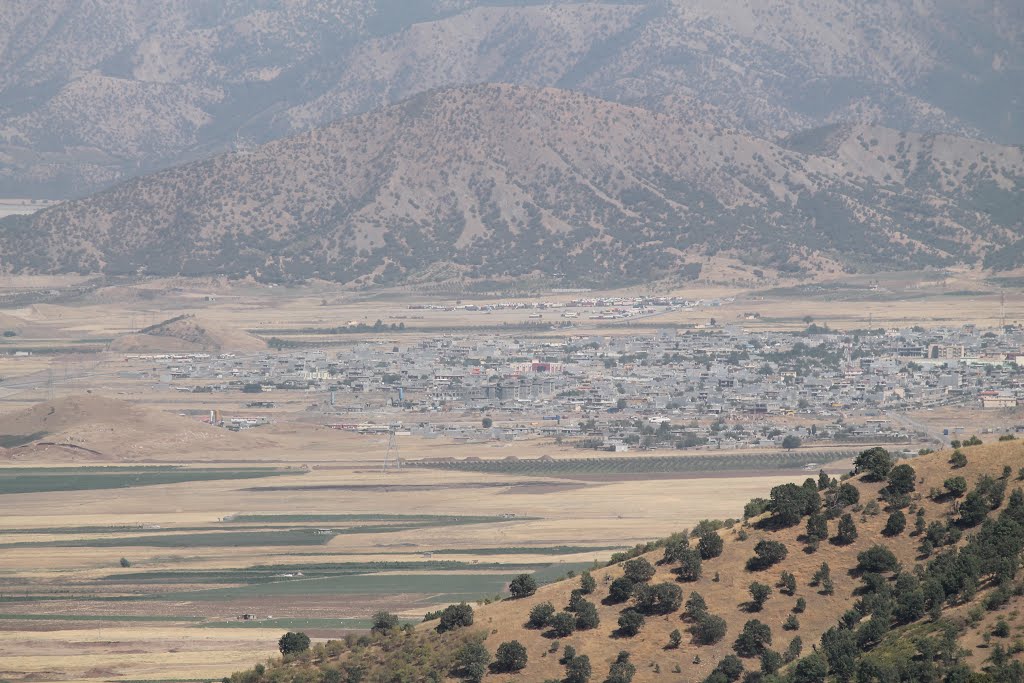
Penjwen
A border district of rivers, orchards and high mountain scenery.
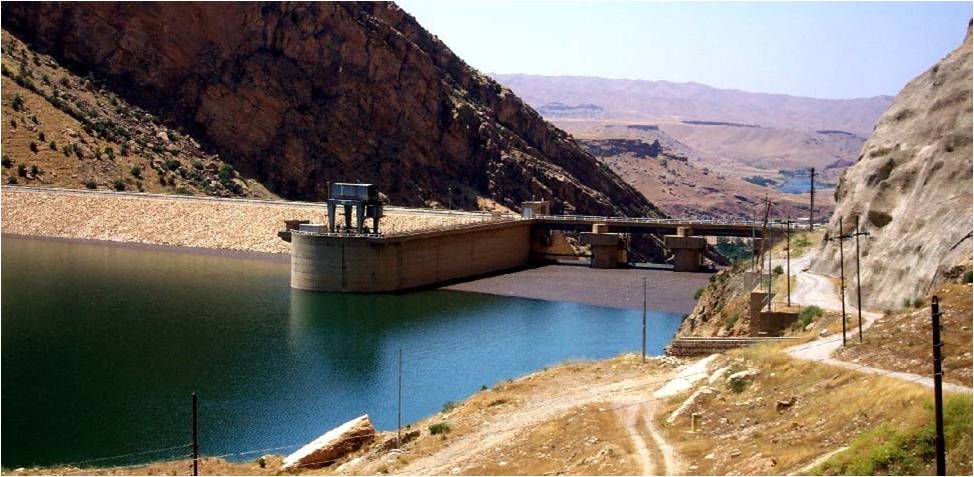
Darbandikhan
A scenic lake and dam set among the Zagros hills.
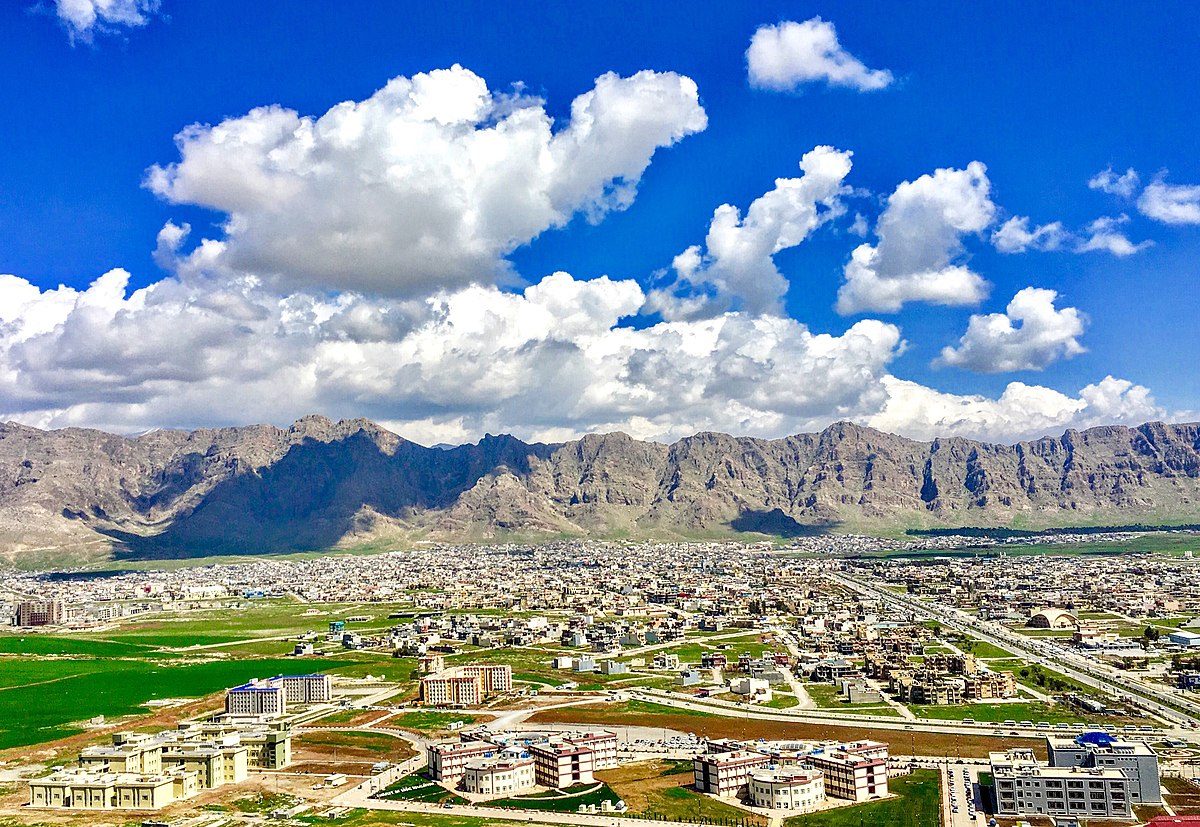
Ranya
A major Raparin plain town beside Lake Dukan.
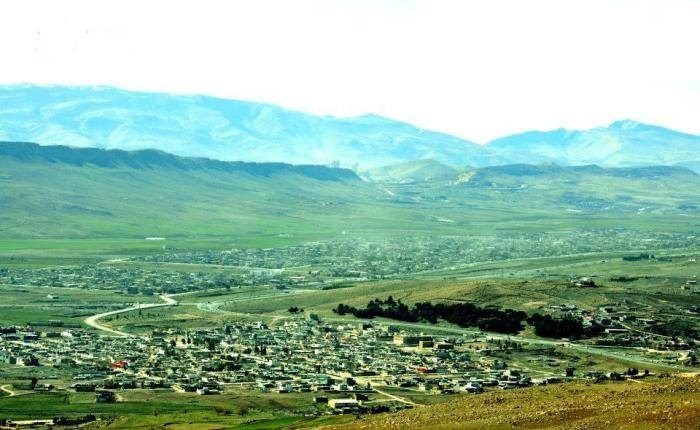
Bazian
A mountain pass and fortress area west of Sulaymani.
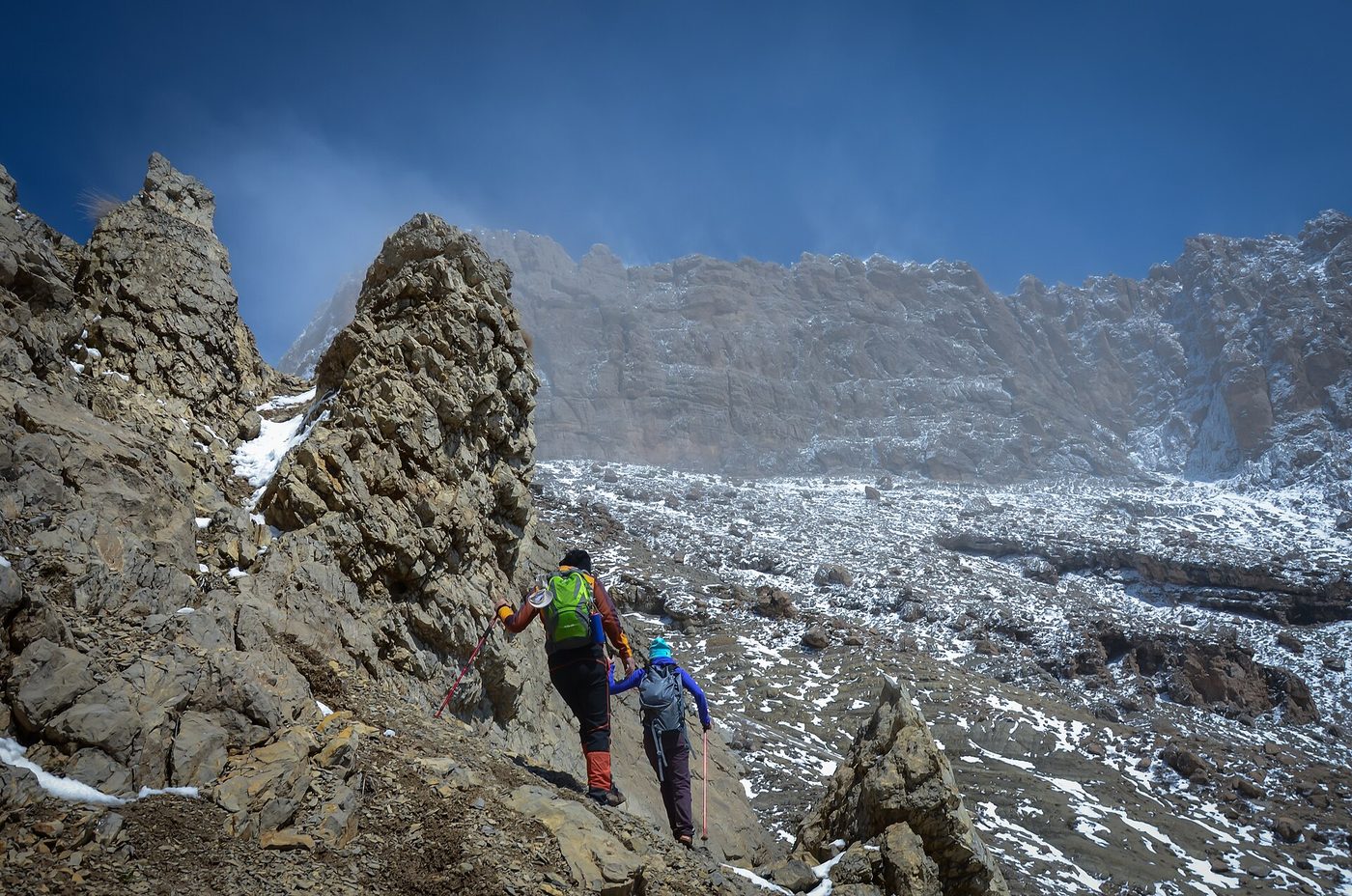
Piramagrun
A peak and cave landscape north of Sulaymani, known to hikers.
Sulaymani Governorate
Cultural Capital & UNESCO City of Literature Beneath Mount Goyzha
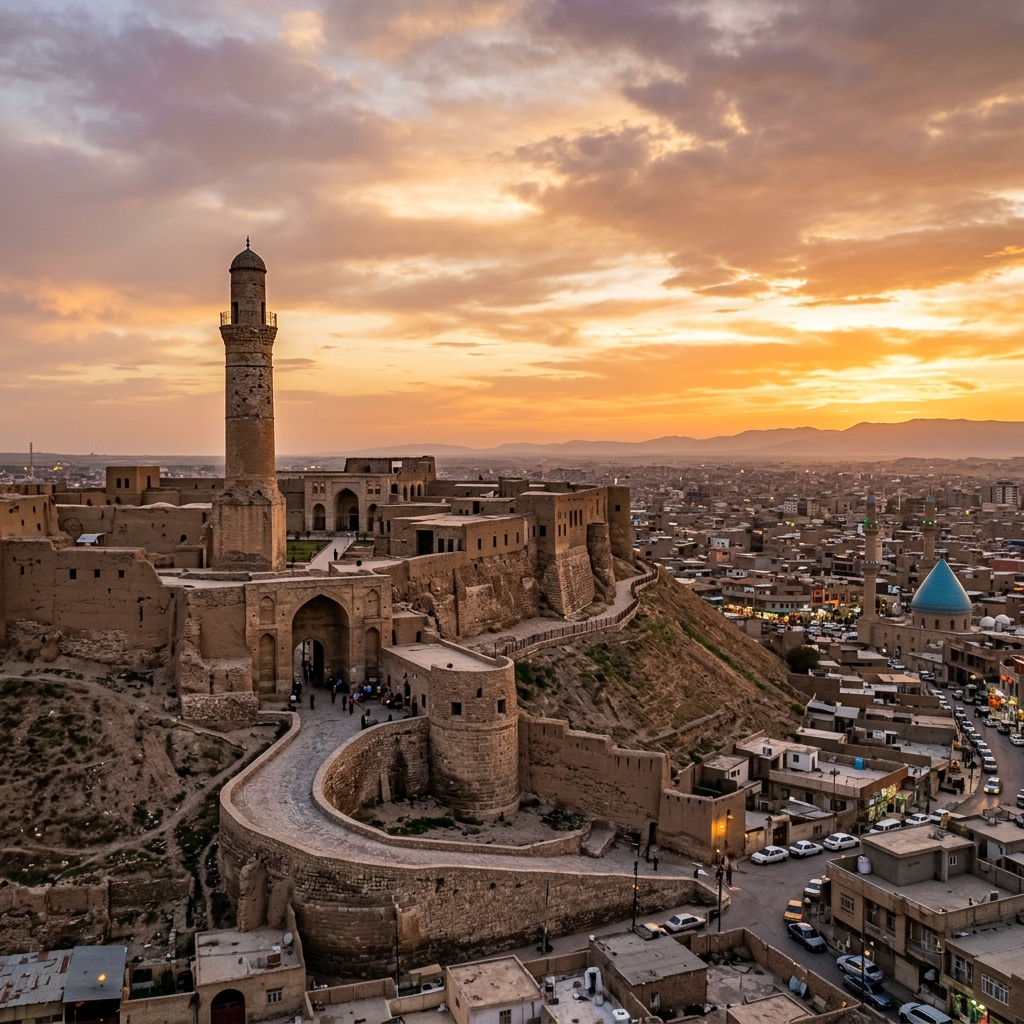
Sulaymani (Silêmanî) was founded in 1784 by Kurdish Prince Ibrahim Pasha Baban and is celebrated as the cultural and intellectual capital of Kurdistan. Designated as a UNESCO City of Literature, Sulaymani is renowned for its poets (Nali, Salim, Kurdi, Sherko Bekas), open-air book stalls, bustling bazaars, the Amna Suraka National Museum, prestigious universities, and the majestic slopes of Mount Goyzha overlooking the skyline.
History & Heritage of Sulaymani
Explore the unbroken chronological lineage, ancient civilizations, medieval emirates, and modern renaissance of Sulaymani.
Prince Ibrahim Pasha Baban
Named 'Sulaimaniyah' by founder Ibrahim Pasha Baban in tribute to Sulaiman Pasha the Great, the renowned Mamluk Wali of Baghdad who allied with and protected the autonomous Baban Emirate.
Darwazay Malkandi, Sabunkaran Gate, Chwarchra Portal, and the Saray Bastion.
Original 1784 Baban royal foundation waqf decree relocating the capital from Qalachwalen to Malkandi, establishing the Great Mosque, Saray administrative seat, and municipal souks.
The Historic Kingdom of Zamwa & The Zagros Gates
The fertile valleys and limestone massifs cradling Sulaymani formed part of the ancient Hurrian and Lullubian kingdom of 'Zamwa' (Zamu-a) documented in Assyrian military campaigns of the 9th century BCE. The mountain defiles of Bazian, Tasluja, and Darbandikhan were critical natural ramparts connecting the Mesopotamian plains with the Iranian plateau. At Paikuli, just south of the Sulaymani basin, King Narseh of the Sasanian Empire erected a monument with a bilingual Parthian and Middle Persian inscription detailing his royal accession and the allegiance of regional Kurdish lords.
The monumental Paikuli Inscription blocks (Sulaymaniyah Museum and Italian Archaeological Mission collections); the Rock Relief of Darband-i Gawr in Qaradagh (depicting King Naram-Sin or Lullubian king, c. 2200 BCE); Paleolithic stratified artifacts recovered from Jasana and Hazar Merd Caves.
Ibrahim Pasha Baban & The Imperial Seat of Baban
On November 14, 1784, the enlightened Kurdish sovereign Ibrahim Pasha Baban officially founded the city of Sulaymaniyah, relocating the imperial capital of the autonomous Baban Principality from Qalachwalen to the open, strategic plains near the village of Malkandi. The city was named 'Sulaymaniyah' in honor of Sulaiman Pasha the Great (the renowned Mamluk Pasha of Baghdad who supported the Baban alliance). Ibrahim Pasha personally laid out the historic urban quarters—Malkandi, Sabunkaran, Goyzha, and Kani Askan—and erected the grand Saray government palace, the Great Mosque (*Mzgawti Gawra*), and bustling market bazaars.
Original 1784 Baban royal foundation deed and endowment waqf documents; historical architectural fabric of the Great Mosque of Sulaimani (founded 1785); detailed travel memoirs of British Resident Claudius James Rich (1820) who documented the court of Mahmud Pasha Baban in Sulaimaniyah.
The Babani Poetry Trinity & The Birth of Written Sorani
During the 19th century, Sulaymani became the undisputed intellectual furnace of Kurdistan. The Baban court fostered the legendary 'Babani Poetic Trinity'—Mullah Khidr Ahmad Shawaysi Mika'ili (known worldwide by his pen name Nalî, 1797–1856), Salim (1800–1866), and Kurdi (Mustafa Beg, 1803–1849). Together, these literary giants elevated the central Kurmanji (Sorani) dialect into a sophisticated, rhythmically complex literary medium capable of expressing high philosophical thought, romantic yearning, and nationalist grief, creating the foundation for all modern Kurdish written culture.
Original 19th-century manuscript Divans of Nalî and Salim preserved in the Sulaymaniyah Public Library; the famous epistolary qasida exchange between Nalî (in exile in Damascus) and Salim (lamenting the 1851 fall of the Baban capital); early printings by Haji Mala Saeed Karki.
King Sheikh Mahmud Barzanji & The First Modern Kurdish State
In the tumultuous aftermath of World War I, Sulaymani became the crucible of Kurdish national sovereignty under the charismatic leadership of Sheikh Mahmud Barzanji (the Hafid). Refusing British colonial annexation to Mesopotamia, Sheikh Mahmud launched the 1919 uprising at the Battle of Bazian. In October 1922, he was officially proclaimed King of Kurdistan (*Hukumati Kurdistan*) in Sulaymani, forming a full cabinet, establishing a national postal system, issuing independent Kurdish postage stamps, and printing the royal national newspaper *Bangi Kurdistan* on his press inside Jasana Cave.
Original 1922 postage stamps of the Kingdom of Kurdistan inscribed *Hukumati Kurdistan*; surviving copies of *Bangi Kurdistan* newspaper (1922–1923); British Colonial Office Secret Archives (CO 730 series at the UK National Archives, Kew) detailing Royal Air Force bombing raids on Sulaimaniyah.
The Spark of Raperîn, Free Press & UNESCO Creative City
On March 7, 1991, the courageous people of Sulaymani ignited the nationwide Kurdish Uprising (*Raperîn*), liberating the city and storming the notorious Ba'athist intelligence headquarters, now preserved as the Amna Suraka ('Red Security') National Museum. Sulaymani fostered the autonomous region's first universities, the modern Kurdish women's rights movement, and the pioneering independent press (*Hawlati*, *Awene*). In 2019, Sulaymaniyah achieved historic international distinction when UNESCO designated it as Iraq's first and only global 'City of Literature' under the UNESCO Creative Cities Network.
UNESCO Creative Cities Network official designation (Paris, 30 October 2019); Amna Suraka detention facility archives housing evidence of the Anfal campaign; historical headquarters of the Kurdish Writers Union (*Yekêtiy Nûserani Kurd*).
Famous People & Historical Icons of Sulaymani
Discover the visionaries, statesmen, classic poets, and philosophers whose lives, ideas, and achievements defined Sulaymani.
c. 1750–1802 CE
Ibrahim Pasha Baban
Enlightened Kurdish statesman who surveyed the plains of Malkandi in 1784 and built Sulaymaniyah from the ground up as a planned cultural, military, and commercial capital, inaugurating its historic quarters and grand institutions.
Let this city rise upon the plains of Malkandi as a sanctuary of knowledge, freedom, and the arts, where the Kurdish spirit shall reign sovereign.
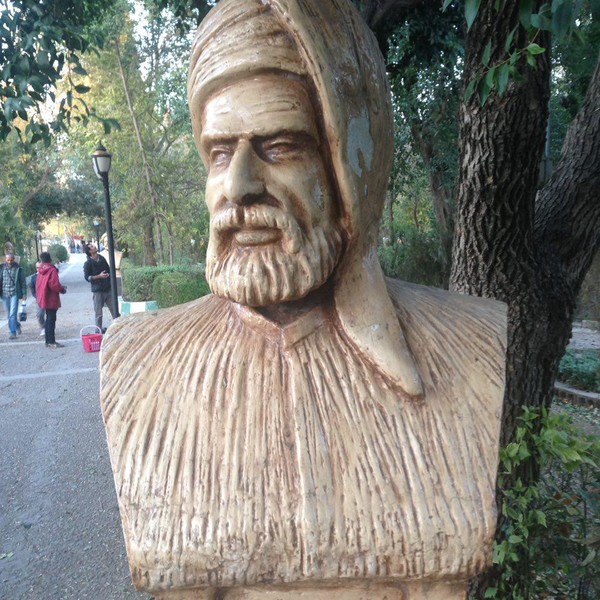 1797–1856 CE
Nalî (Mullah Khidr)
Greatest classical Kurdish poet who transformed Sorani into a sophisticated literary language capable of complex philosophy and high romantic expression; leader of the famed Baban Poetic Trinity.
Sulaimani! Land of sweet springs and sovereign hearts, whose soil is ambergris and whose breeze cures every heartache.
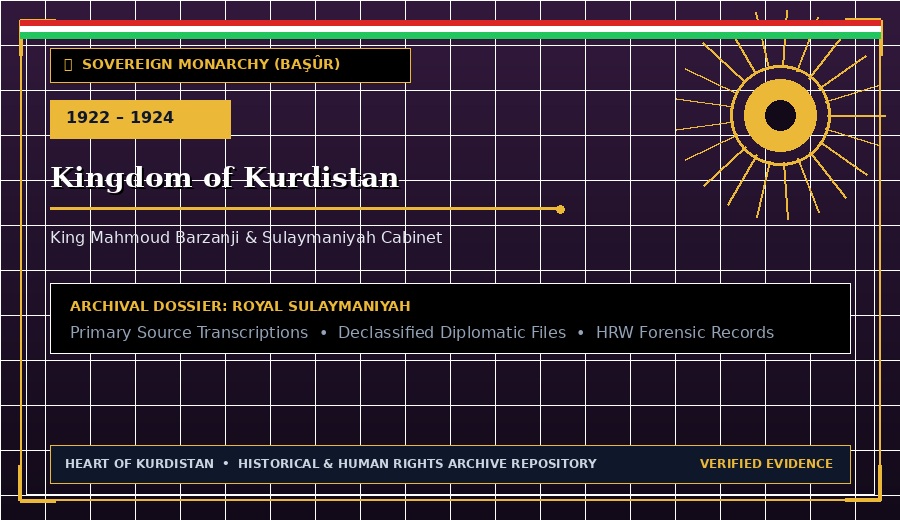 1878–1956 CE
King Mahmud Barzanji
Peshmerga king and sovereign revolutionary who ignited the anti-colonial struggle against British mandatory forces in 1919; proclaimed himself King of Kurdistan in Sulaymaniyah, establishing a cabinet, national currency, and state postal stamps.
Kurdistan belongs to the Kurds; no imperial decree and no aerial bombardment shall ever strip away our sovereign right to live free upon our mountains.
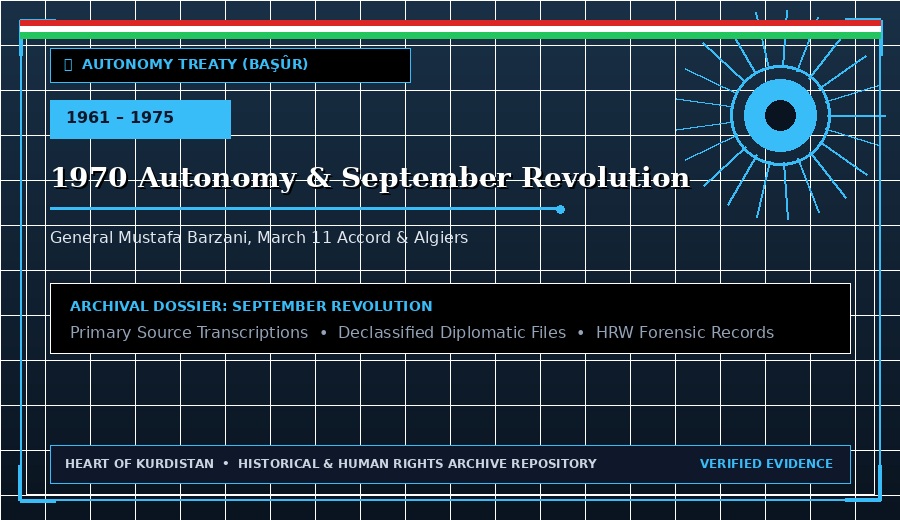 1867–1950 CE
Piramerd (Tawfeeq Mahmoud Hamza)
Pioneering journalist, poet, and cultural revitalizer who founded the legendary "Jiyan" newspaper and modernized the public celebration of Newroz on Mount Goyzha in 1930, using his own funds to purchase the first modern Kurdish printing press.
Newroz is not merely a day upon the calendar; it is the resurrection of our nation from the ashes of winter into the radiant dawn of liberty.
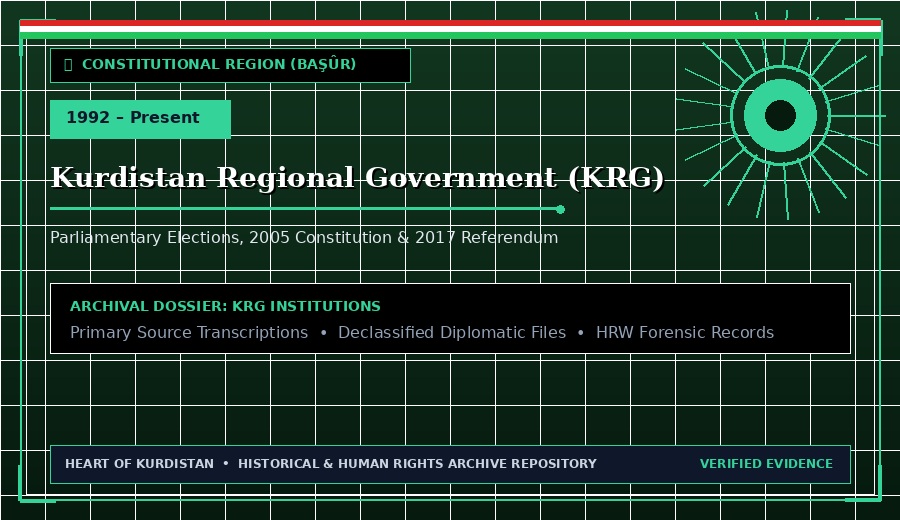 1940–2013 CE
Sherko Bekas
World-renowned Master of Kurdish Contemporary Free Verse and recipient of the Swedish PEN Tucholsky Prize; revolutionized Kurdish modern literature through the Rûwange (Vision) movement, forging a poetic language that chronicled national suffering and resistance.
Poetry is not an ornament of vanity; it is the burning cry of the mountains, turning our tears into rivers of freedom and our ashes into eternal dawn.
Historic Quarters & Neighborhoods of Sulaymani
Explore the ancient residential quarters, artisan guilds, and historic market centers that preserve the architectural memory of Sulaymani.
Malkandi Quarter
The original 1784 foundation quarter of Sulaymaniyah, historic hub of Baban nobility, teachers, and ancient mosques.
Sabunkaran Quarter
Famous artisan and soap-making district celebrated for stone-baked sangak bread, sweet makers, and classical poets.
Goyzha Quarter
Stretching along the gentle foothills of Mount Goyzha, featuring winding alleys, traditional mud-and-timber residences, and scenic cafes.
Kani Askan Quarter
Named 'Spring of the Gazelles', historically rich in cold mountain springs, orchards, and celebrated Kurdish musician residences.
Mount Goyzha & The Sacred Bonfires of Newroz
According to local Sulaymani tradition, Mount Goyzha was the legendary vantage point where watchmen signaled the liberation of the mountain passes with towering signal fires. When poet Piramerd revived Newroz in the 1930s, he gathered thousands of families on Mama Yara hill overlooking Goyzha, reciting verse and lighting bonfires that cemented Sulaimaniyah as the cultural fortress of Kurdish national identity.
UNESCO Creative City of Literature & Modern Cultural Hub
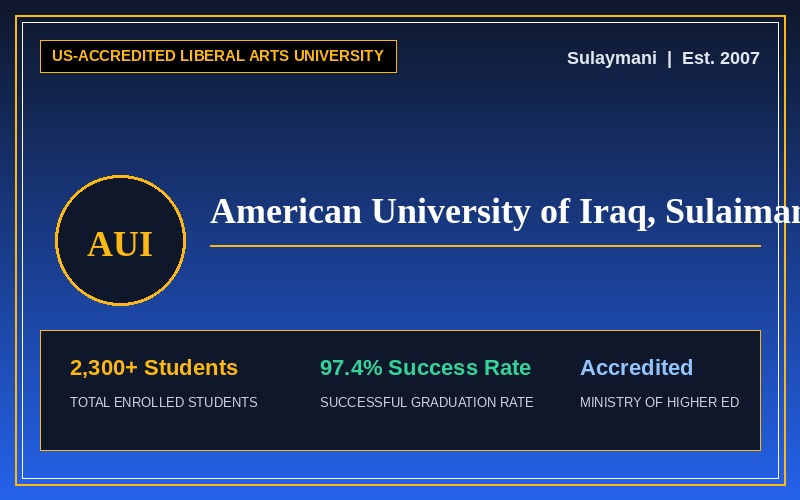
In 2019, UNESCO officially designated Sulaimaniyah as Iraq’s first 'City of Literature'. Today, the city is famous for its vibrant cafe scene on Saholaka street, the prestigious American University of Iraq (AUIS), the 220-hectare Hawari Shar botanical park, independent publishing houses, and contemporary arts festivals.
Civic Offices, Universities & Services in Sulaymani
Essential directory of governmental directorates, municipal councils (Cancel), flagship universities, tertiary hospitals, banks, and academic institutions in Sulaymani.
Central administrative headquarters of Sulaymaniyah Governorate managing civic policy, public health, education, and district development.
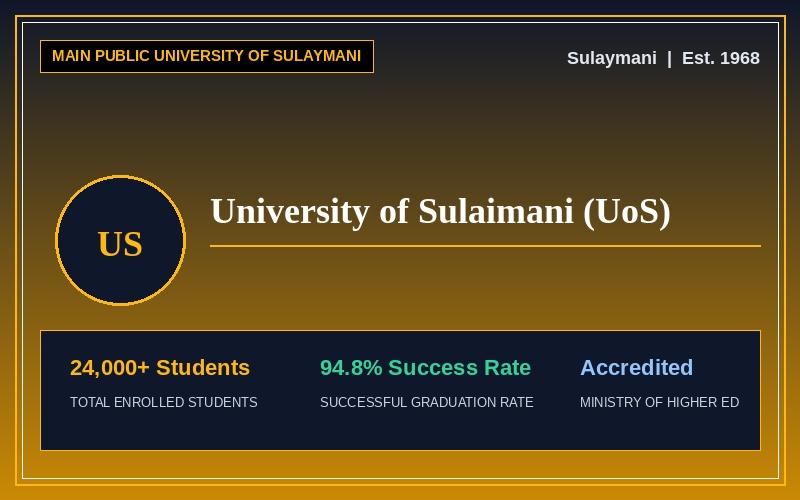
Pioneering university established in 1968, housing world-class faculties of Medicine, Dentistry, Engineering, Humanities, and Kurdish Linguistics.
Premier US-accredited university in the region delivering English-language degrees in software engineering, international studies, and business.
The largest state hospital in Sulaymaniyah with specialized trauma resuscitation suites, cardiac wards, and round-the-clock emergency care.
Internationally recognized private hospital city with 210 patient suites, advanced robotic surgery, PET-CT oncology scanning, and 11 surgical theaters.
Official civic guild representing commerce, industrial manufacturers, and international trade missions across Sulaymaniyah and Garmian.
Emergency & Civic Hotlines
24/7 emergency response and civic services across Sulaymani
Administrative Directory & Localities of Sulaymani
Comprehensive interactive directory of municipal districts (Qaza), vibrant sub-towns (Nahiya), and picturesque mountain villages across Sulaymani Governorate.
Districts & Metropolitan Areas قەزاکانی سلێمانی
12 Districts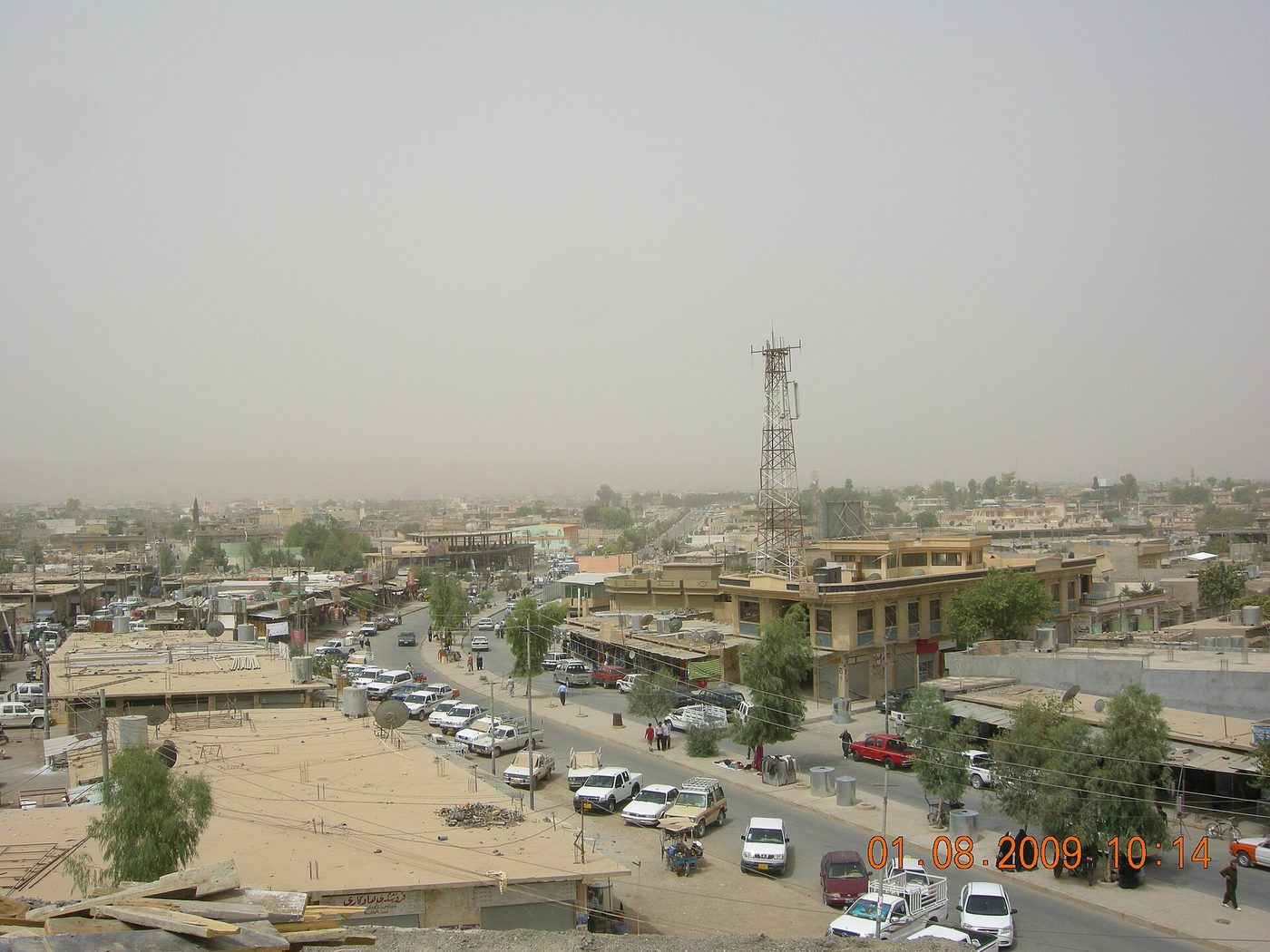 District Photo
Chamchamal District
Historic crossroads home to Jarmo (one of humanity's earliest agricultural Neolithic settlements, 7000 BC) and modern energy infrastructure.
District Photo
Derbandikhan District
Home to Lake Derbandikhan, the dramatic Derbandikhan mountain tunnel, emerald water canyons, and fresh lake fish restaurants.
District Photo
Dukan District
Kurdistan's premier lake resort district centered around Lake Dukan, hydropower dam, boating marinas, and scenic lakeside cabins.
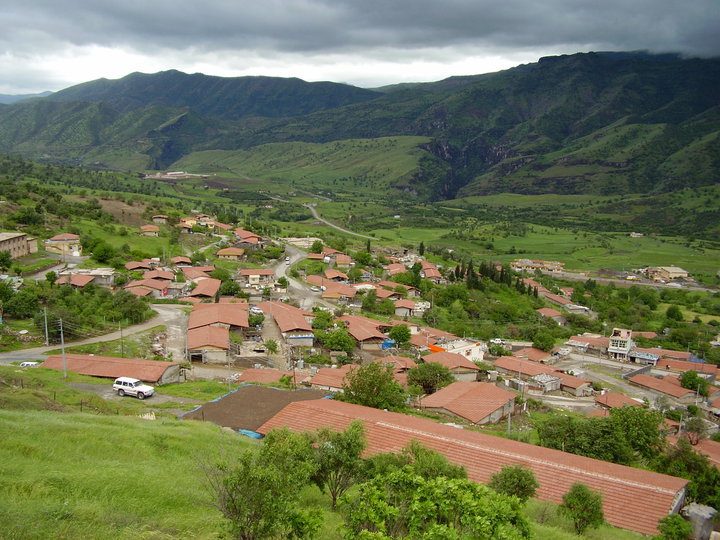 District Photo
Mawat District
Spectacular rocky mountain peaks, Lesser Zab canyons, natural trout streams, and serene mountain valleys.
District Photo
Penjwen District
A high-elevation alpine wonderland surrounded by dense oak and pine forests, famous for heavy winter snows, red apples, and border commerce.
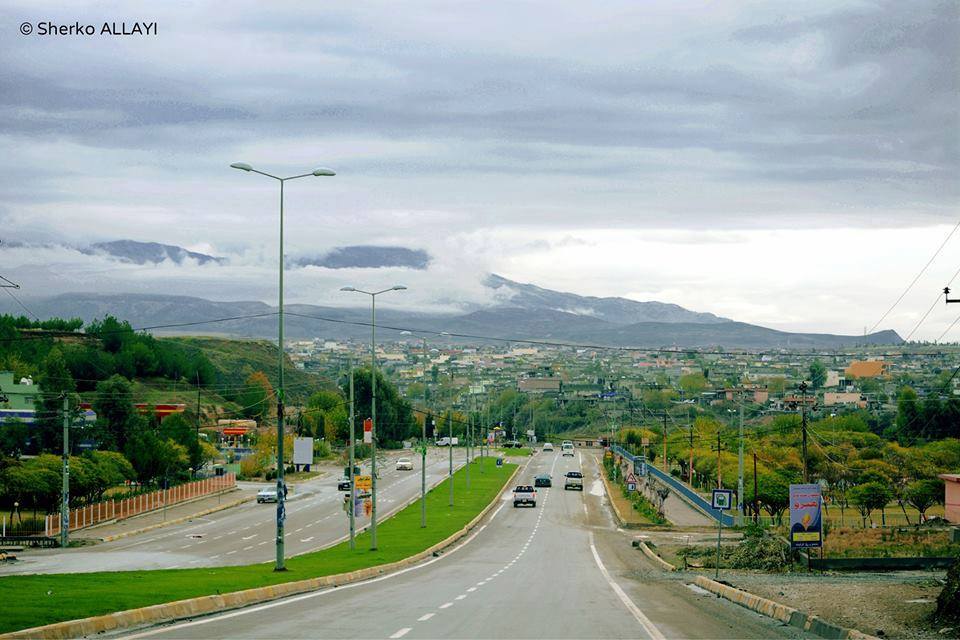 District Photo
Qaladiza (Pishdar) District
Rugged mountain district nestled in the foothills of Mount Qandil, known for resilient border communities and high alpine pastures.
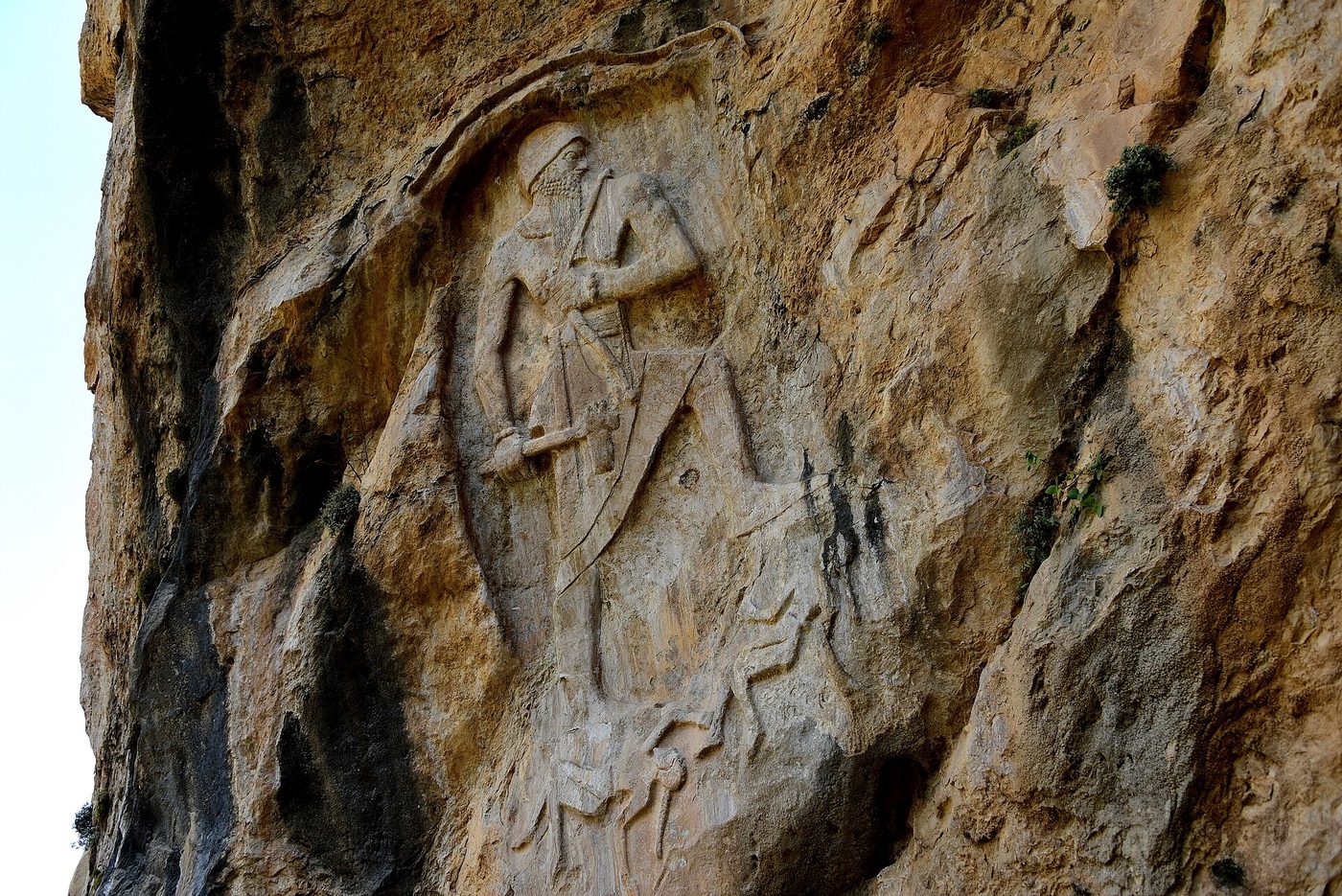 District Photo
Qaradagh District
Lush pine-forested mountain range famed for the ancient 4,000-year-old Naram-Sin Akkadian rock relief and Ja'far springs.
District Photo
Ranya District
Proudly titled "Derwazey Raperîn" (Gateway of the Uprising), situated in the fertile Bitwen plain beside Lake Dukan and Mount Makok.
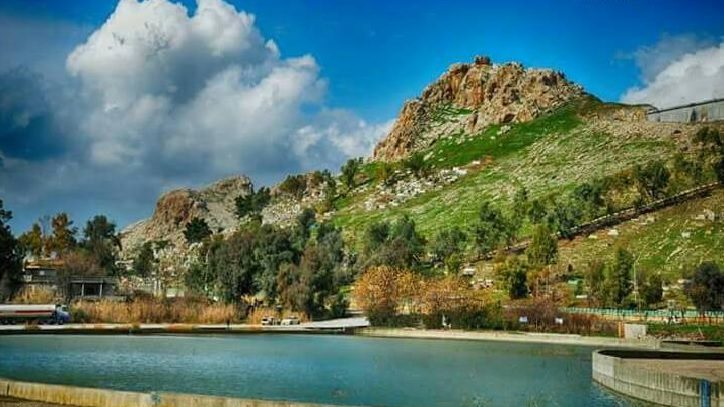 District Photo
Said Sadiq District
Situated on the fertile Shahrizor plain, home to historic archaeological mounds, agricultural breadbaskets, and Zalam river waterways.
 District Photo
Sharazur (Zarayan) District
The agricultural basin of the Shahrizor plain, connecting Sulaymani to Halabja, famous for grain and vegetable crops.
 District Photo
Sharbazher (Chwarta) District
Undulating wooded hills, natural spring valleys, walnut trees, and historical villages of the ancient Baban principality.
District Photo
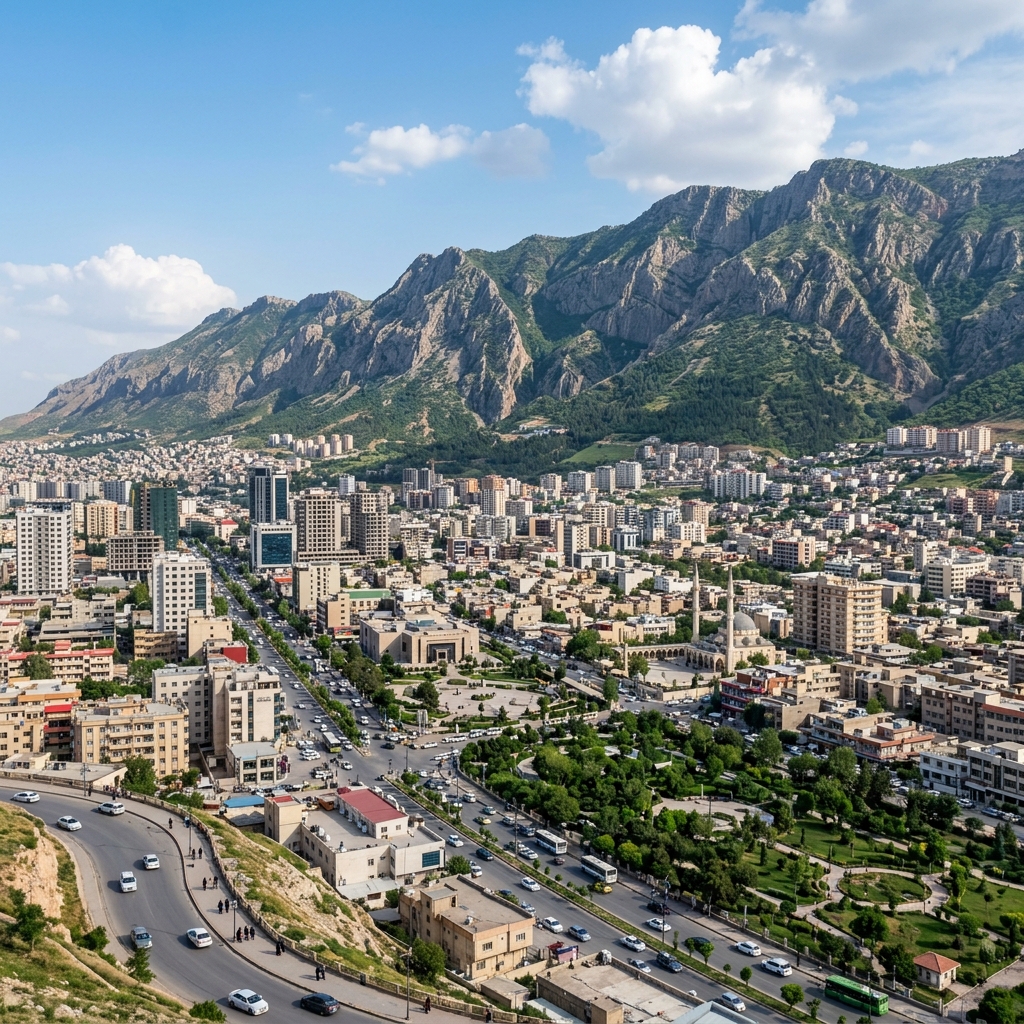
Sulaymani Central District
The vibrant cultural heart home to Salim Street, Azadi Park, Amna Suraka National Museum, Zhin Archive, and the Mount Goyzha cable lookout.
Sub-towns & Localities ناحیەکانی سلێمانی
8 Sub-towns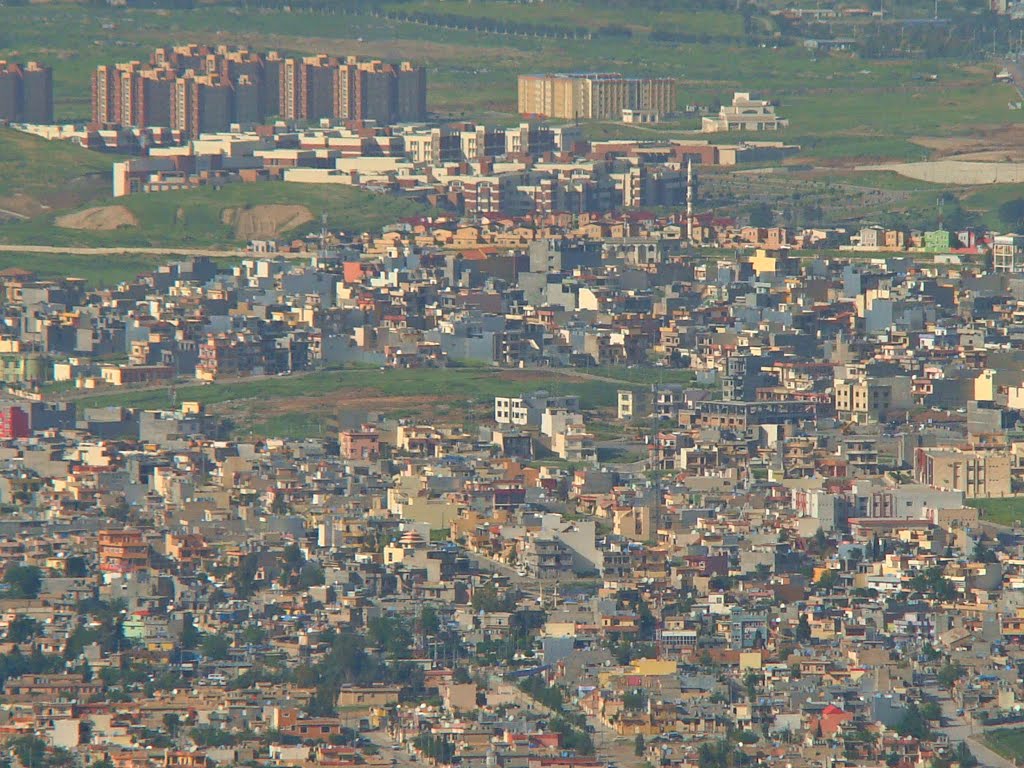 Sub-town Photo
Bakrajo
Western university and agricultural research suburb home to the University of Sulaimani campus and experimental farms.
Sub-town Photo
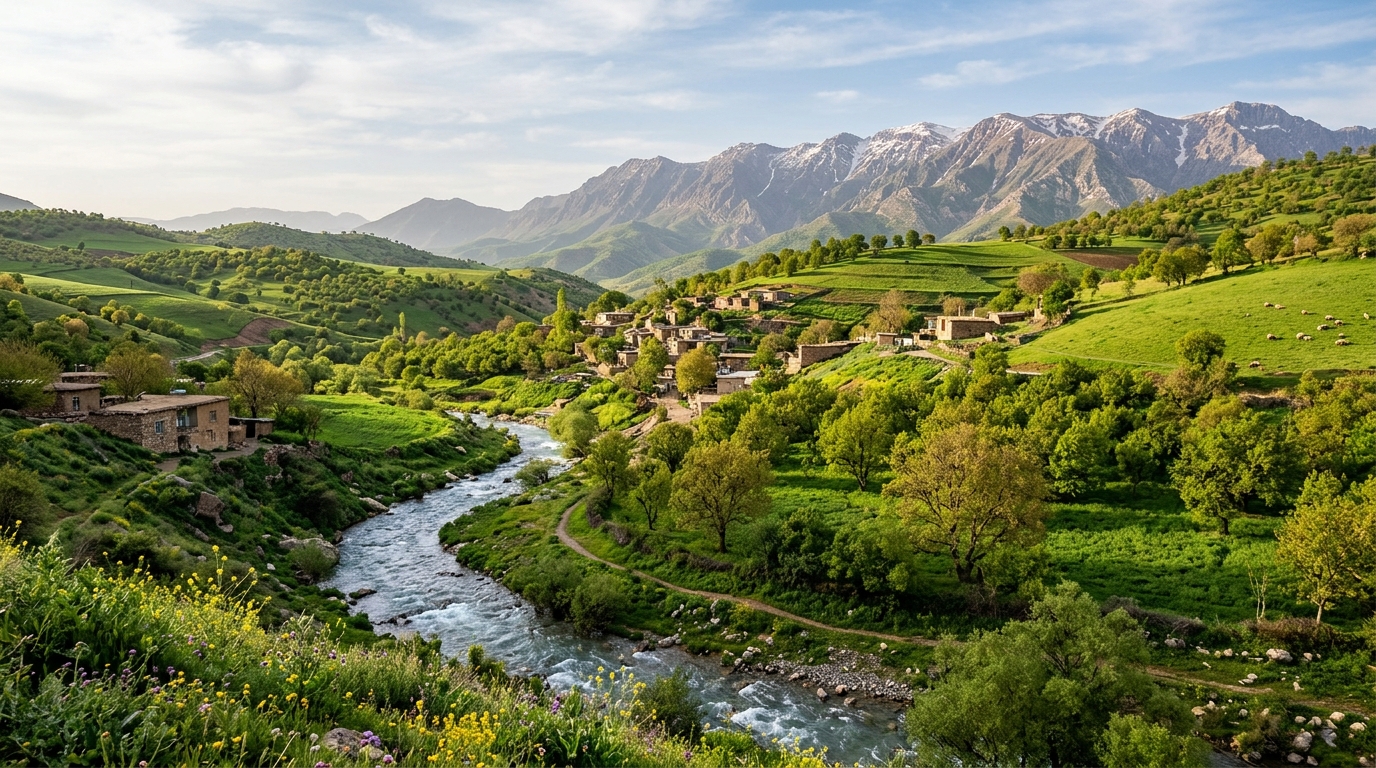
Bazian
Historic mountain pass famous for the Battle of Bazian (1919) led by King Sheikh Mahmud Barzanji, now a major industrial hub.
 Sub-town Photo
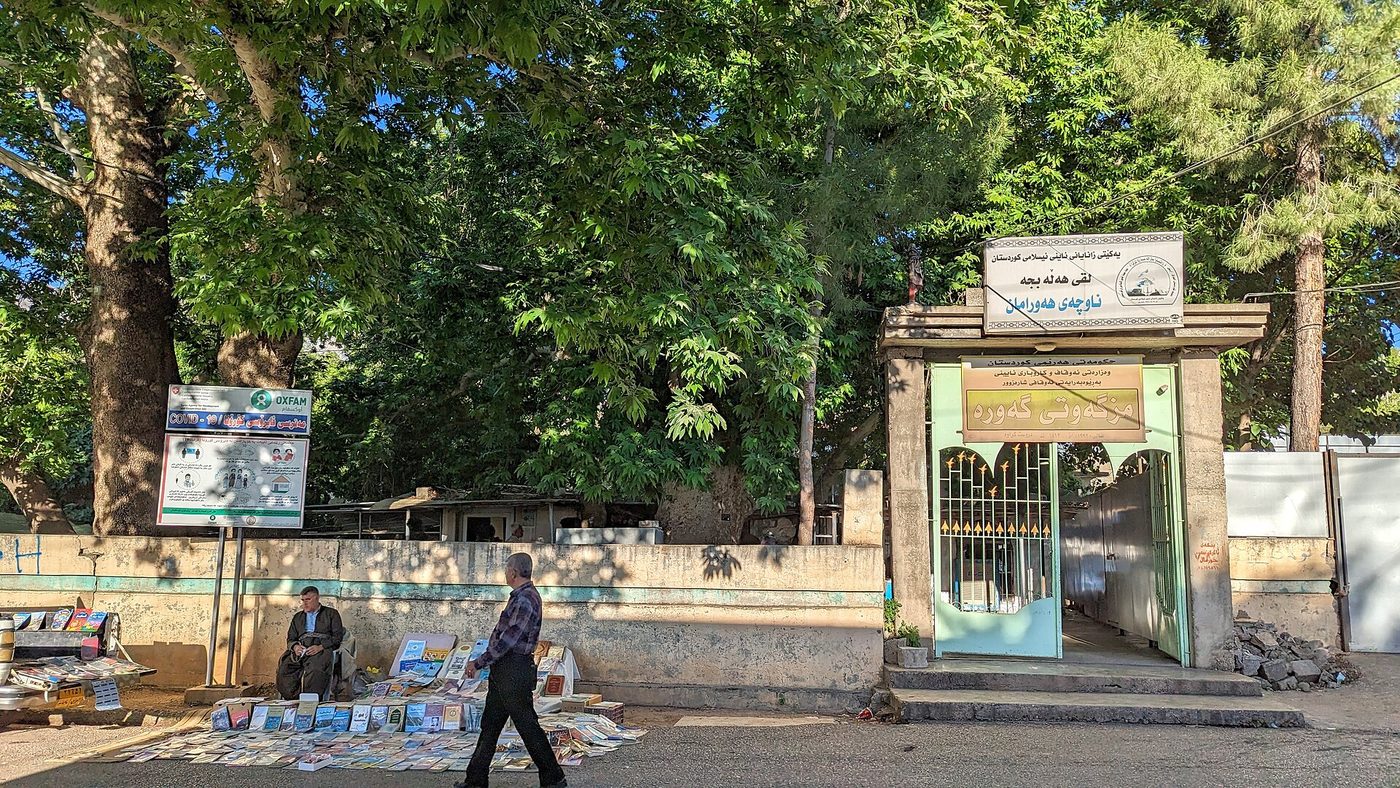
Halsho
Mountain border sub-town in Pishdar celebrated for cold mountain springs, walnut trees, and Kurdish folkloric song traditions.
 Sub-town Photo
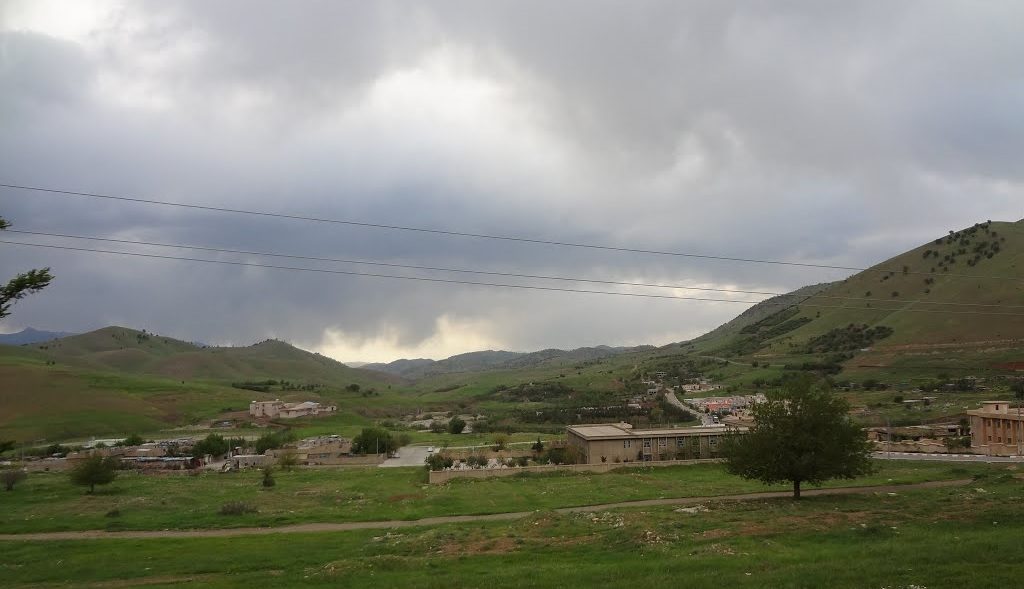
Khurmal
Historic sub-town with ancient Islamic minarets, mineral sulfur springs, and the gateway to the Zalim mountain waterfalls.
 Sub-town Photo
Nalparez
High-altitude subdistrict filled with oak forests, sweet cherry farms, and scenic winding mountain roads.
Sub-town Photo
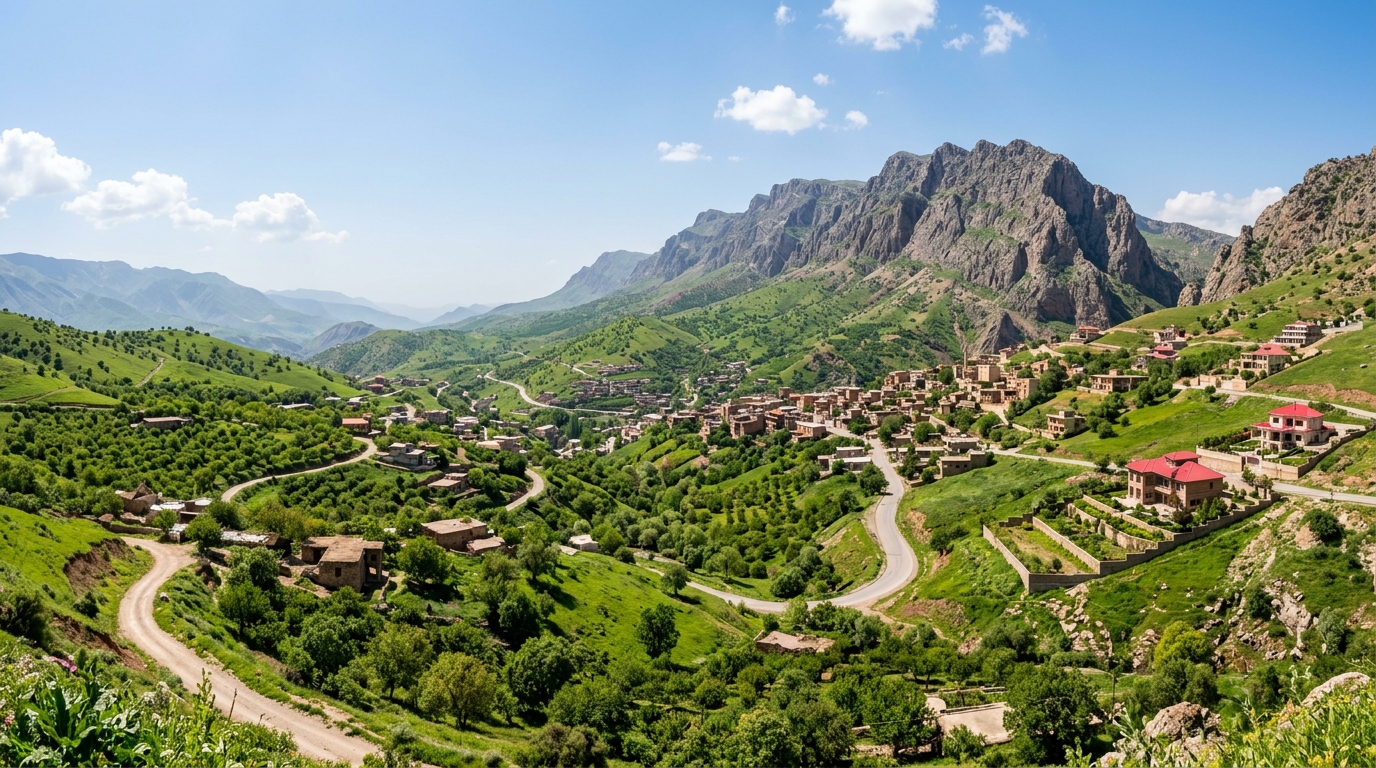
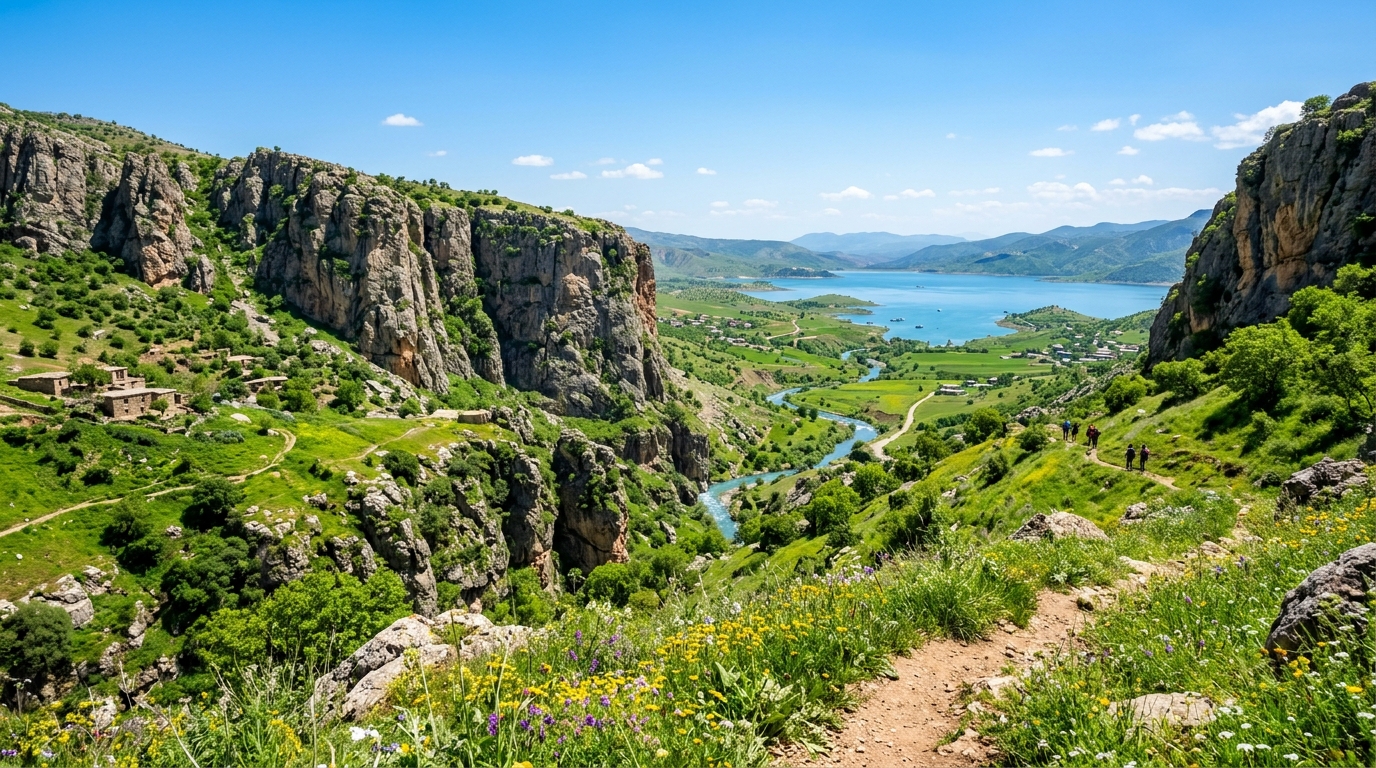
Piramagrun
Nestled directly beneath the towering limestone massif of Mount Piramagrun (2,611m), famous for mountaineering and rock climbing.
 Sub-town Photo
Sitak
Serene mountain sub-town just over the Azmar pass, known for private villas, walnut orchards, and cool summer weather.
 Sub-town Photo
Surdash
Mountain subdistrict near Lake Dukan, famous for the historic Jasana Cave where the first Kurdish independent newspaper was printed.
Featured Mountain Villages & Hamlets گوندەکانی سلێمانی
10 Villages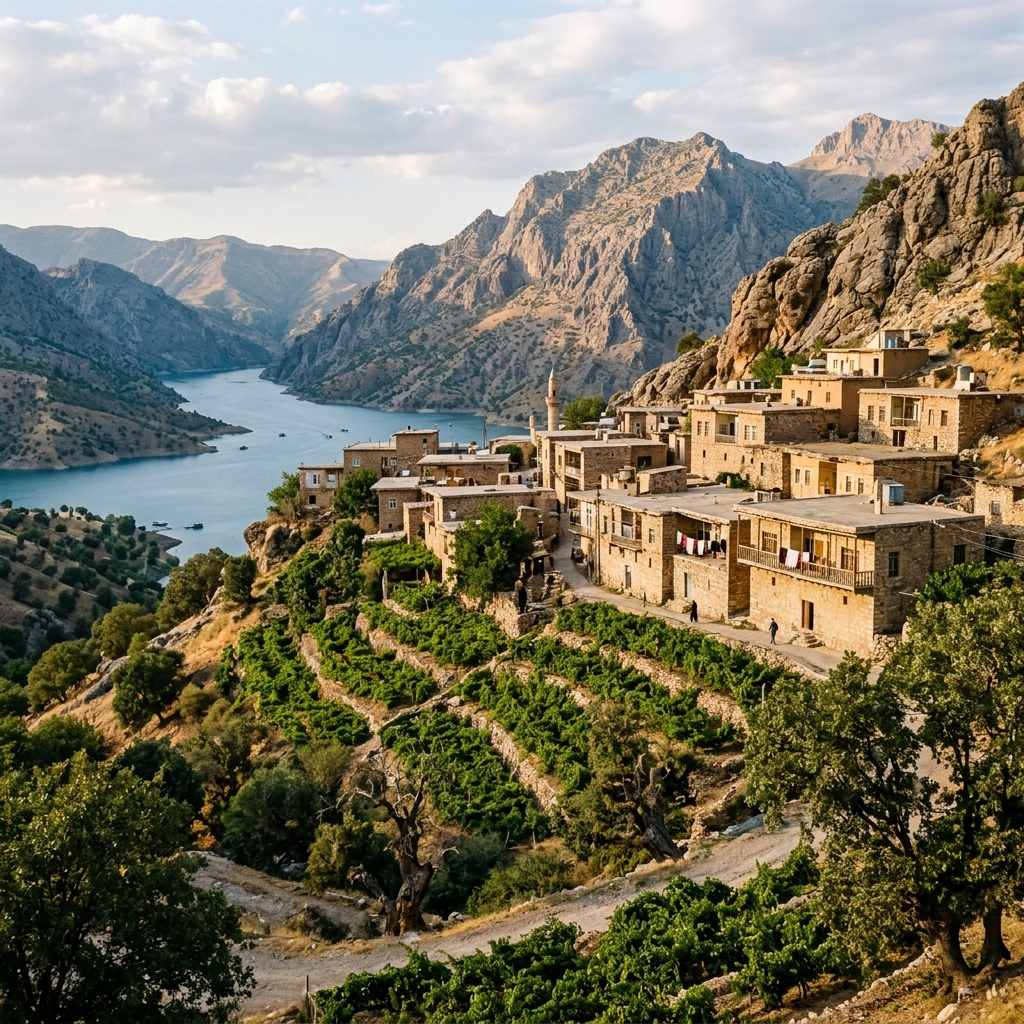 Village Photo
Bari Shar Village
Traditional village built against the sheer rock face of Mount Piramagrun, with cold freshwater springs and ancient grape arbors.
Mount Piramagrun Climbing Base & Spring Wells
 Village Photo
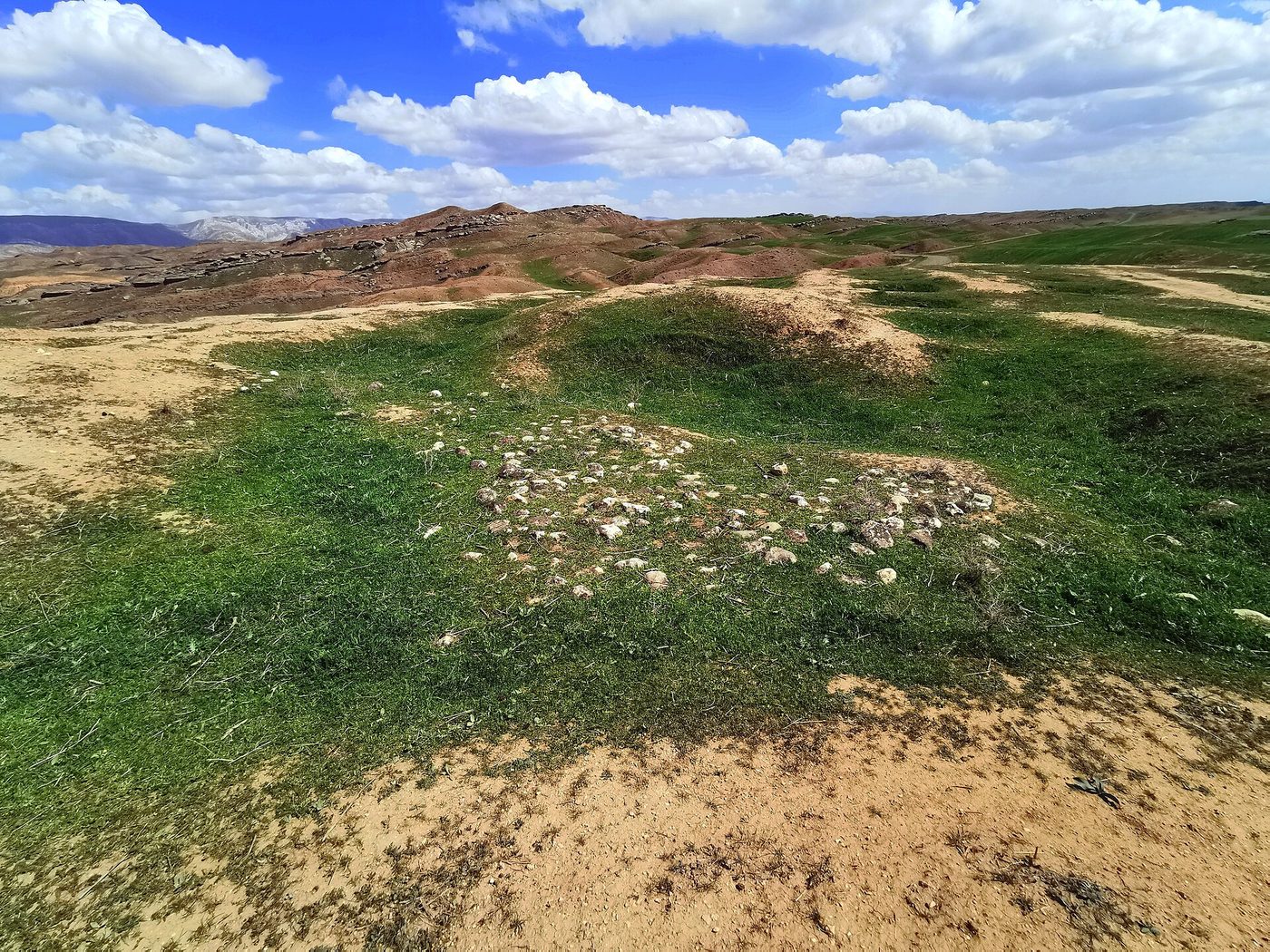
Jarmo Archaeological Village
One of the most important archaeological sites on Earth, where prehistoric humanity first developed agriculture, domesticated wheat, and settled in stone houses 9,000 years ago.
Earliest Agricultural Settlement, Ancient Pottery & Flints
Village Photo
Jasana Village
Historic mountain village where King Sheikh Mahmud Barzanji established his printing press inside Jasana Cave in 1923 to publish the Kurdish newspaper Bangi Kurdistan.
Jasana Cave, Kurdish Press Heritage & Natural Springs
Village Photo
Kani Panka Village
Historic village on the Shahrizor plain famous for wide spring pools, watercress fields, and fertile organic vegetable farms.
Shahrizor Spring Waters & Organic Vegetables
Village Photo
Miran Beg Village
High mountain village in Penjwen surrounded by deep oak woodlands, crystal cold brooks, and organic wild blackberry bushes.
Oak Woodlands, Wild Honey & Winter Snowscapes
 Village Photo
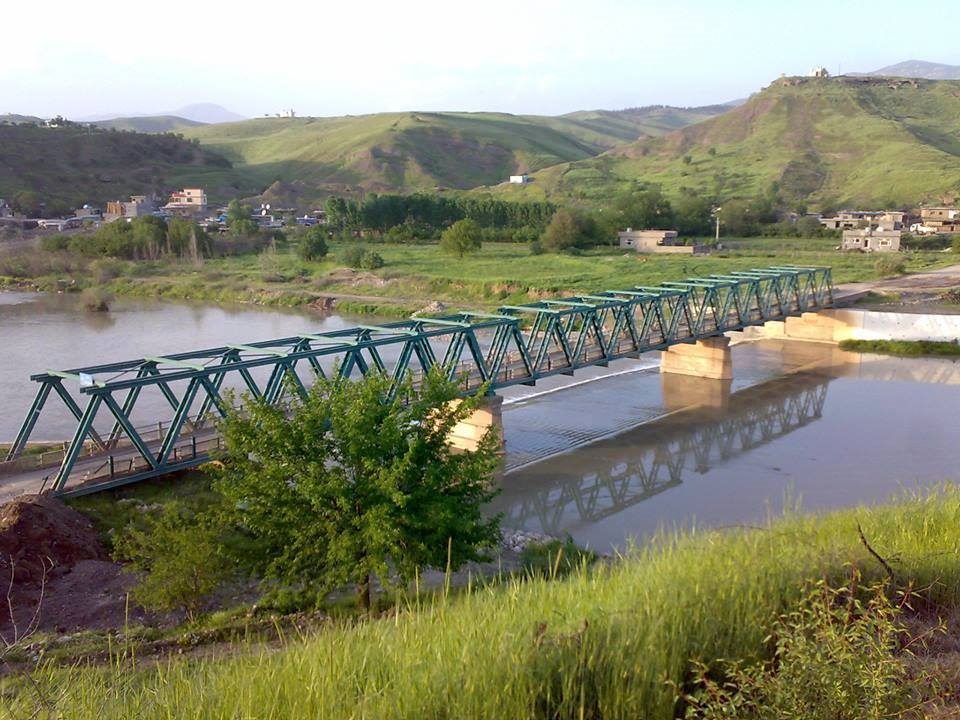
Qala Chwallan Village
The former 17th-century capital of the Baban Emirate before Sulaymani was constructed in 1784. Features ancient bridge ruins and stone pathways.
Baban Principality Ruins, Ancient Bridge & Vineyards
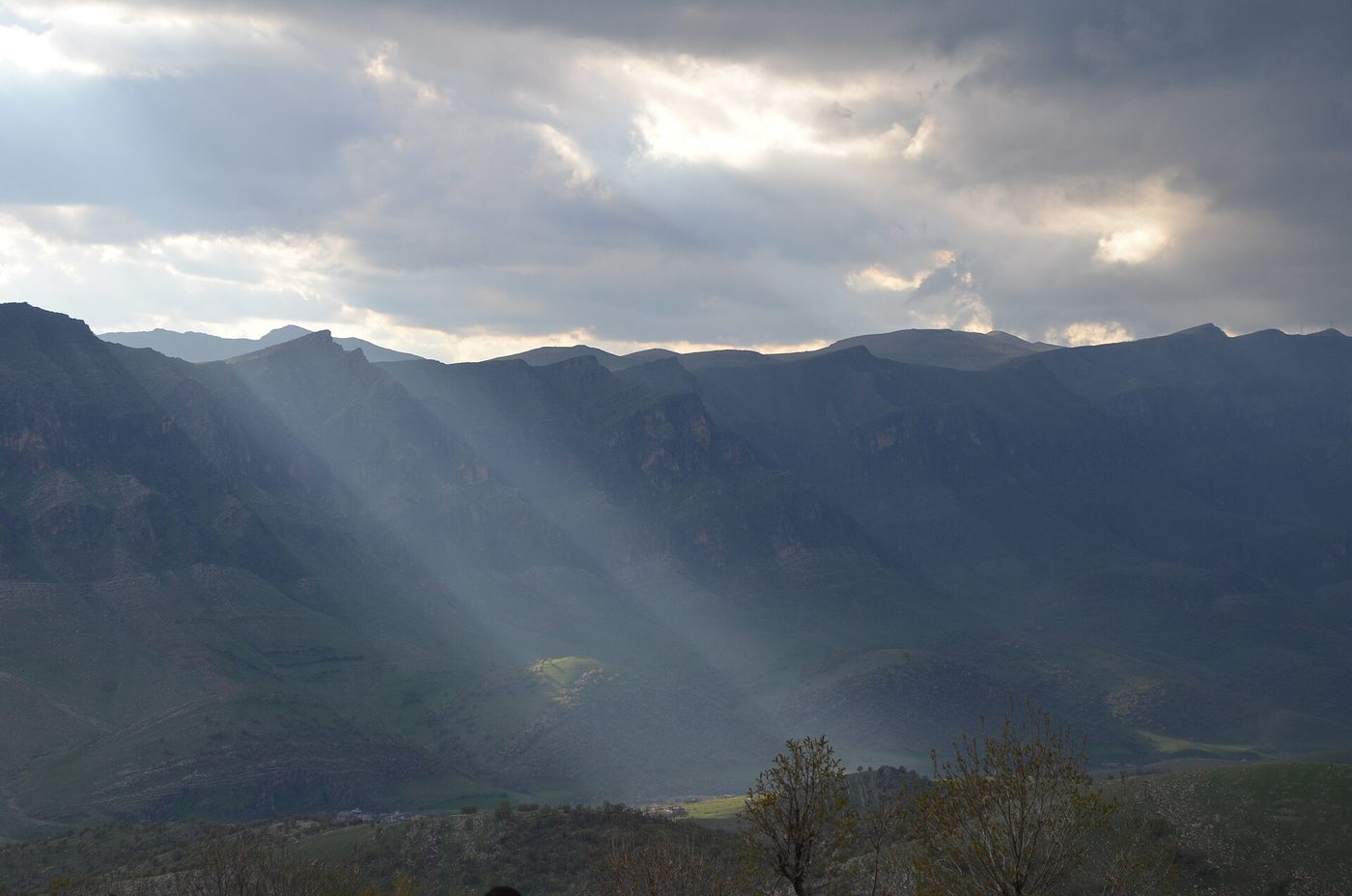 Village Photo
Sarkapkan Village
Lush village in the Bitwen valley where cold mountain springs burst forth, creating natural swimming pools and shaded walnut gardens.
Natural Cold Springs, Walnuts & Bitwen Rice
Village Photo
Sartka Village
Tranquil village along the Lower Zab river gorge right below Dukan Dam, with riverside tea cabins and terraced fruit orchards.
Lower Zab Riverbanks, Grilled Fish & Fig Orchards
Village Photo
Tabin Gorge Village
Dramatic village in Surdash canyon flanked by sheer limestone walls, famous for wild sumac bushes and mountain thyme.
Wild Zagros Sumac, Thyme & Goat Cheese
Village Photo
Zurgz Village
Valley village south of Sulaymani named after its ancient giant walnut trees, with freshwater streams and historic village hospitality.
Centuries-Old Walnut Trees & Fresh Mountain Butter
Landmarks & Attractions
Must-see historical sites, mountain resorts, and natural sanctuaries in Sulaymani Governorate.
Mount Goyzha & Azmar Lookout
Panoramic mountain road offering iconic night and daytime vistas over Sulaymani city.
Amna Suraka (Red Security Museum)
National memorial and museum honoring Kurdish resistance, heroes, and modern history.
Lake Dukan Resort
Vast crystal-blue reservoir with speedboat excursions, lakeside chalets, and fresh fish restaurants.
Zhin Archival Center
Indispensable cultural library housing thousands of rare Kurdish manuscripts and historic documents.
Salim Street & Grand Bazaar
Bohemian boulevard with cafes, bookstores, artist studios, and traditional Kurdish craft shops.
Naram-Sin Rock Relief (Qaradagh)
4,000-year-old rock carving carved into the sheer limestone cliffs of Qaradagh.
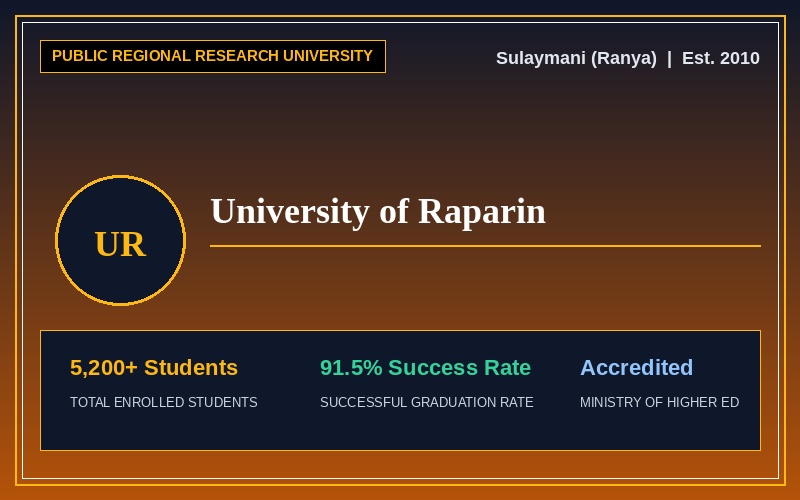
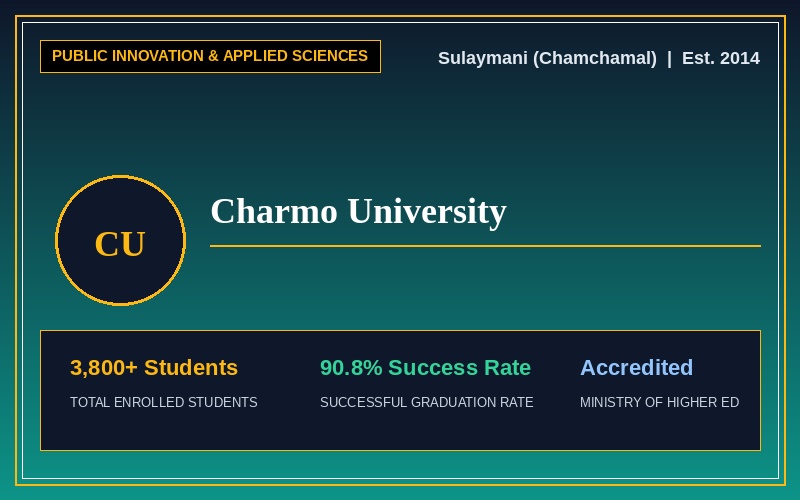
Universities & Colleges of Sulaymani
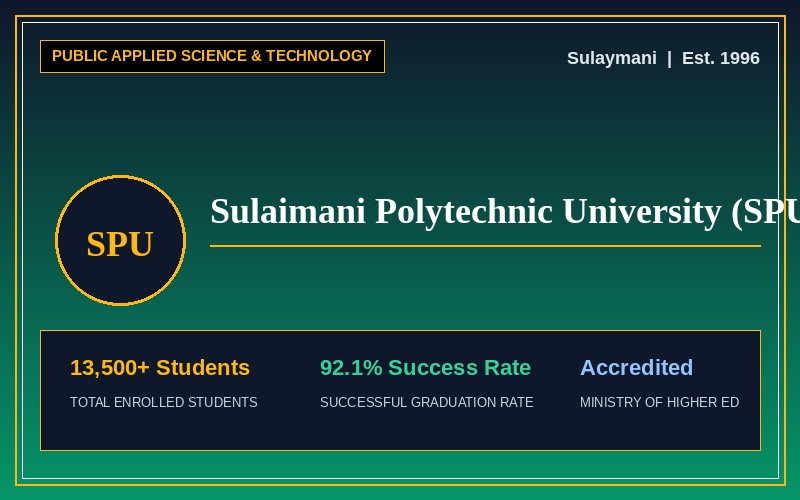
Prominent public universities, technical institutes, and academic centers located in this governorate.

Gastronomy of Sulaymani
Signature culinary specialties, mountain spices, and local delicacies native to this governorate.
Sulaymani Qaisî & Dolma
Sour-sweet stuffed vegetables layered with tender lamb ribs and dried apricots (qaisî).
Lake Dukan Grilled Fish
Freshly caught Shaboot carp grilled with local sumac, garlic, and wild thyme.
Goyzha Mountain Herbs & Mast (Yogurt)
Thick mountain sheep yogurt infused with wild spring sorrel and shallots.
Interconnected Heritage of Sulaymani
Explore how Sulaymani connects to ancient history, traditional culture, architecture, and language in Kurdistan.
Other Governorates of Kurdistan
Continue your journey across all 5 major metropolitan and mountain regions.
No comments yet. Be the first member to start the discussion!