Evdalê Zeynikê (ئەڤدالێ زەینێکێ)
The Classical Dengbêj Era
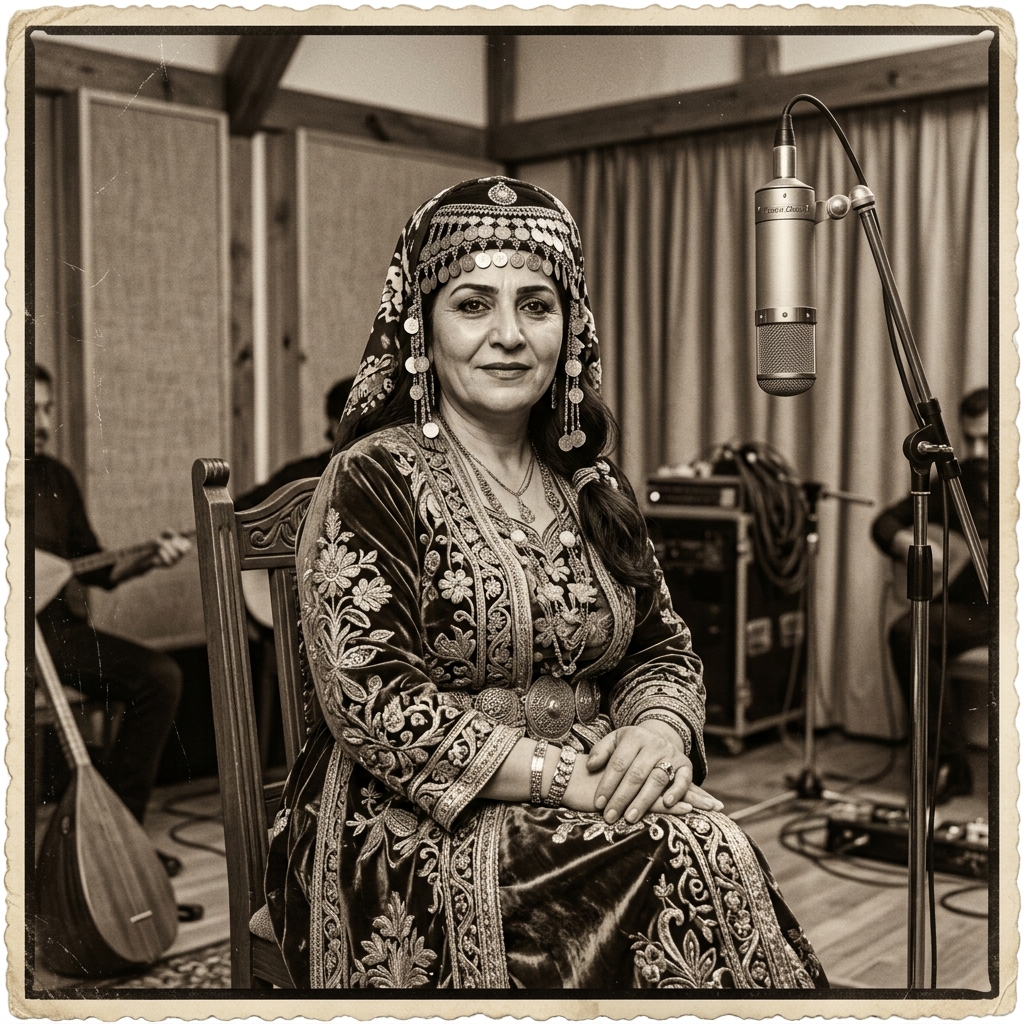
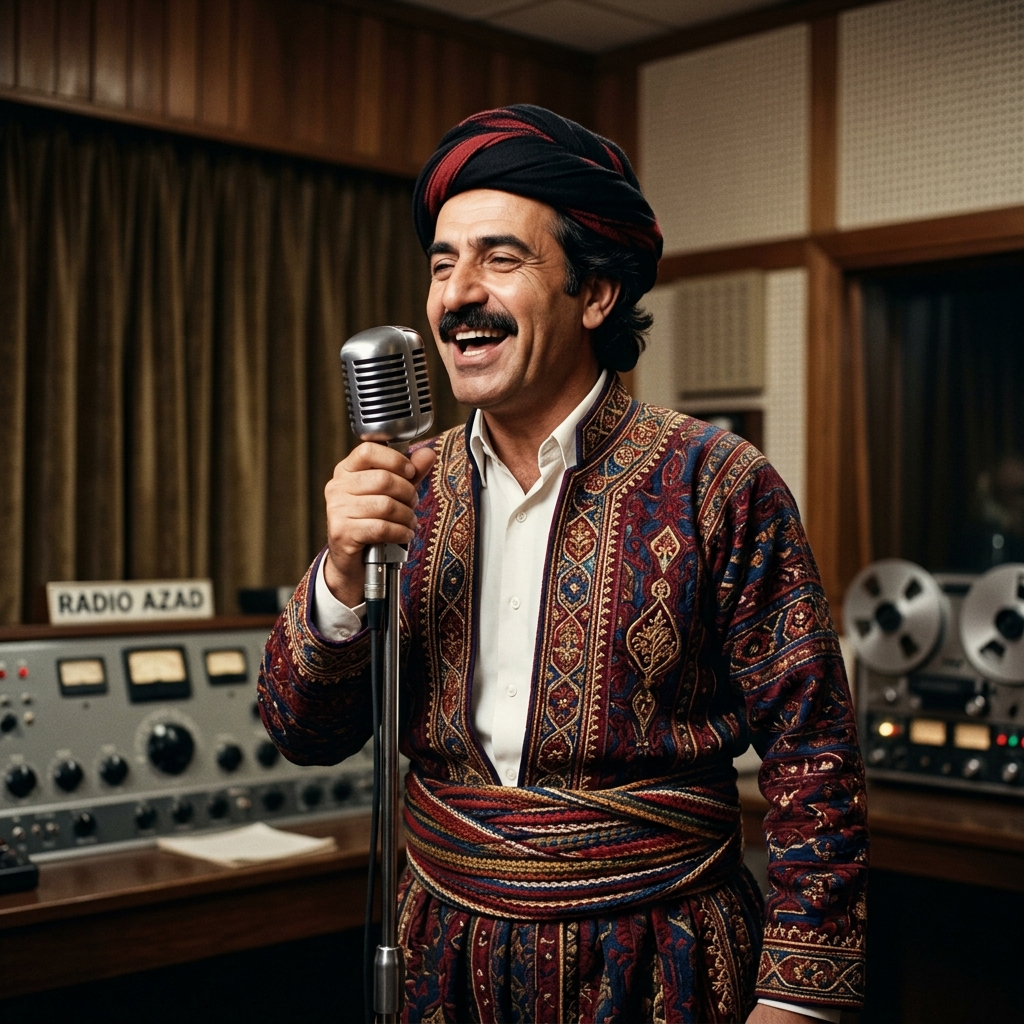
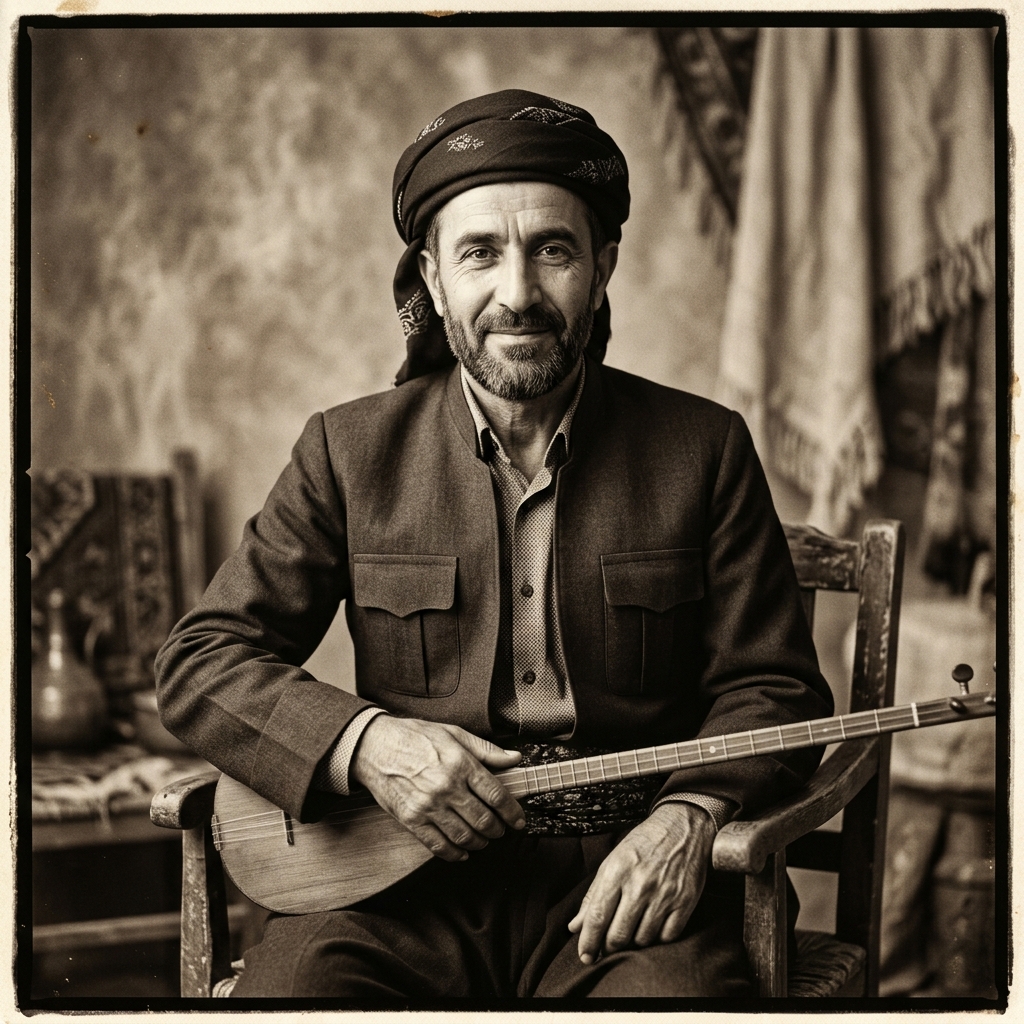
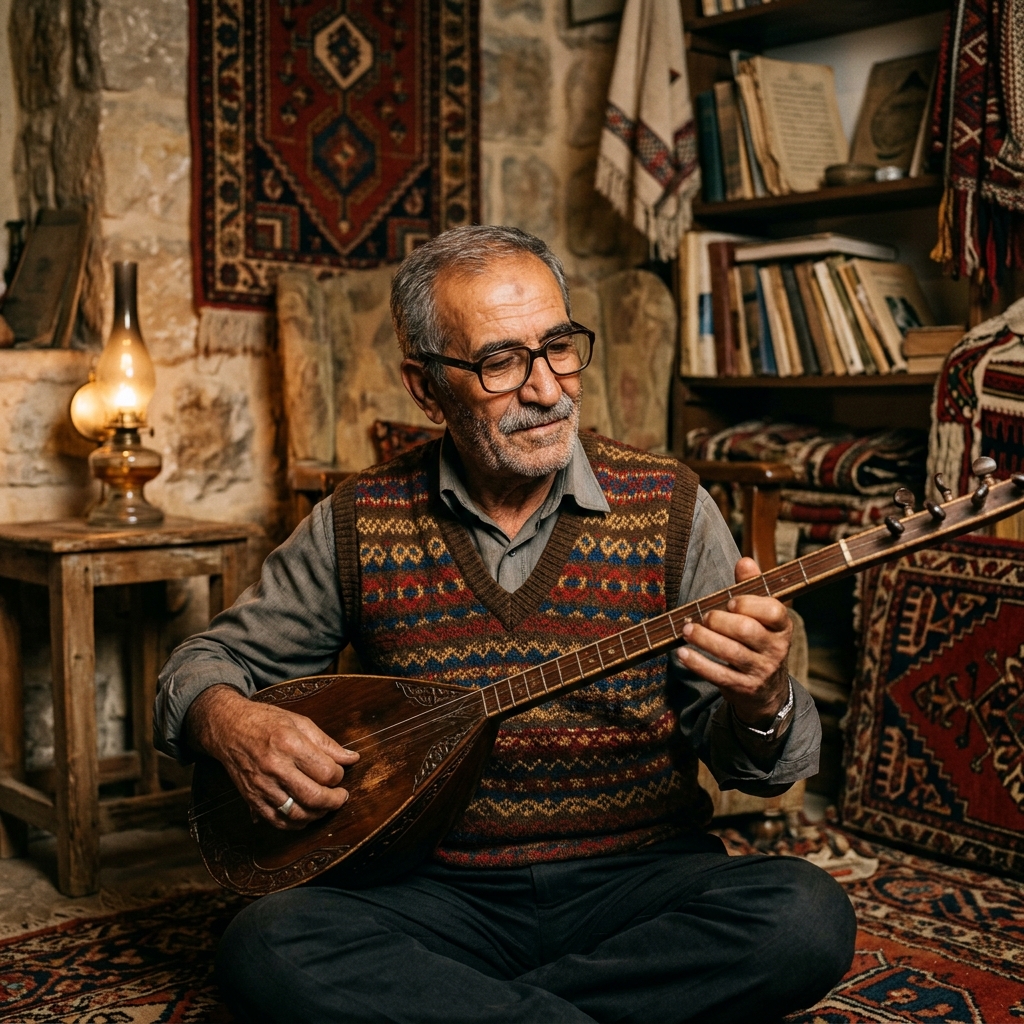
Evdalê Zeynikê (circa 1800–1913) is universally revered across all four parts of Kurdistan as the 'Homer of the Kurds' and the undisputed patriarch of the Dengbêj oral epic tradition. Born in the village of Cemalwêrdî near Qereyazî in the historical Serhed region of Northern Kurdistan, Evdal was the son of a woman named Zeynê, after whom he took his lifelong maternal moniker (Evdal son of Zeynê). Blinded in his youth by smallpox or according to folklore by the searing sorrow of bereavement, Evdal turned his inner sight into an extraordinary poetic cosmos. Without the aid of any written manuscript or musical instrument, relying purely on the transcendent timbre of his voice, he could chant unceasing epic narratives that spanned days and nights without missing a single poetic syllable.
Evdal’s life transformed when his staggering vocal artistry caught the attention of Surmelî Memed Paşa, the noble chieftain of the Millî and Dêrsim confederacies and governor of the Beyazîd region near Mount Ararat (Agirî). Evdal became the court bard of Surmelî Memed Paşa, accompanying the chieftain on high mountain expeditions, diplomatic council meetings, and intense regional battles. Evdal was not a mere entertainer; he was a living legal chronicler, war correspondent, philosopher, and historian. His soaring vocal kilams preserved the catastrophic Russo-Turkish wars, tribal alliances, feudal struggles, and the profound majesty of Mount Ararat and Mount Sîpan.
Musically, Evdal perfected the Serhed Dengbêj style characterized by sustained microtonal glissandos, profound chest resonance, and dramatic changes in vocal pacing that evoke the howling mountain winds and galloping horses. In his legendary epic 'Kilama Quling' (The Crane Epic), Evdal engaged in a philosophical and emotional dialogue with a wounded migratory crane stranded near Lake Van, using the bird's tragic plight as an allegory for the stateless, dispersed, and enduring Kurdish nation.
Later in life, after the death of Surmelî Memed Paşa, Evdal fell into deep poverty and traversed the villages of Serhed on foot with a wooden walking stick, welcomed into every village guest house (Dîwan) with reverence. His master student Reso, and later generations of bards including Karapêtê Xaço and Şakiro, carried Evdal's vast memory into the 20th century. Today, Evdalê Zeynikê stands as the monumental cornerstone of Kurdish linguistic and melodic identity.