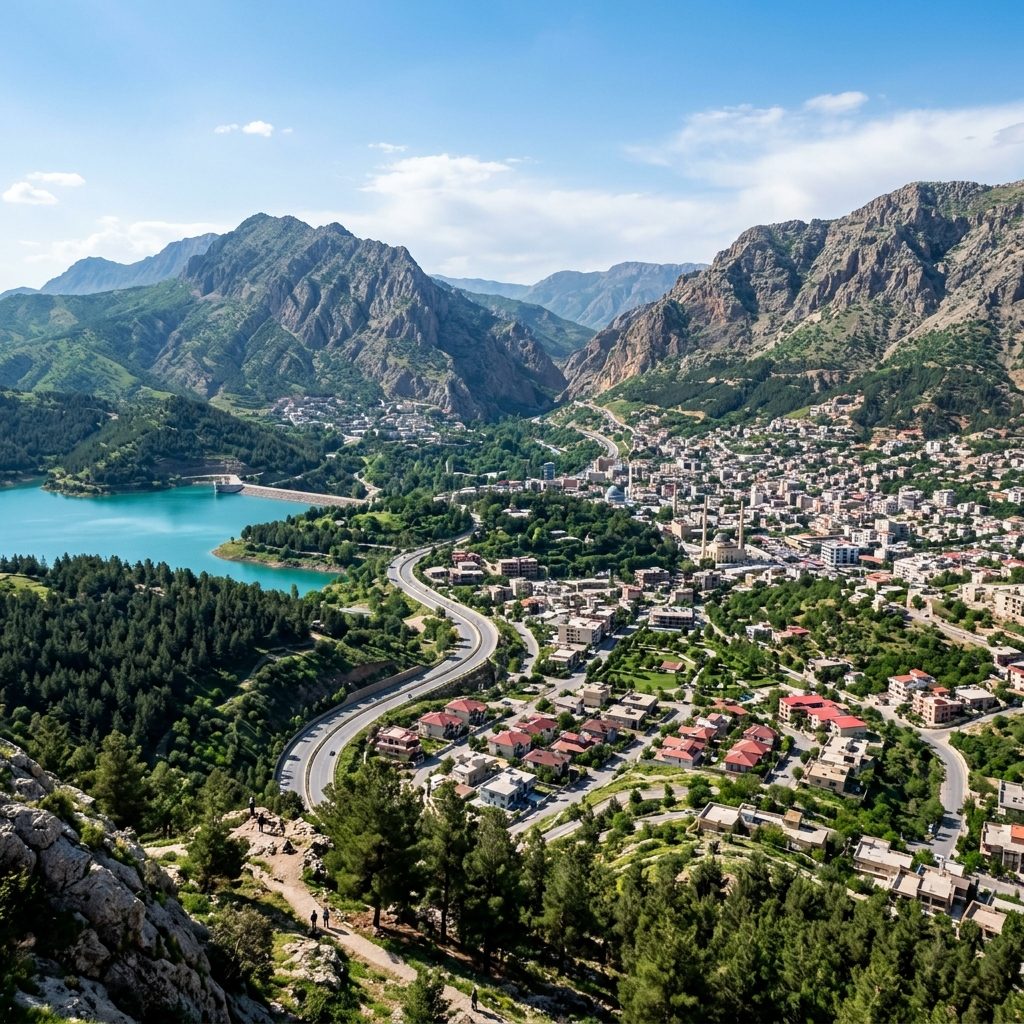
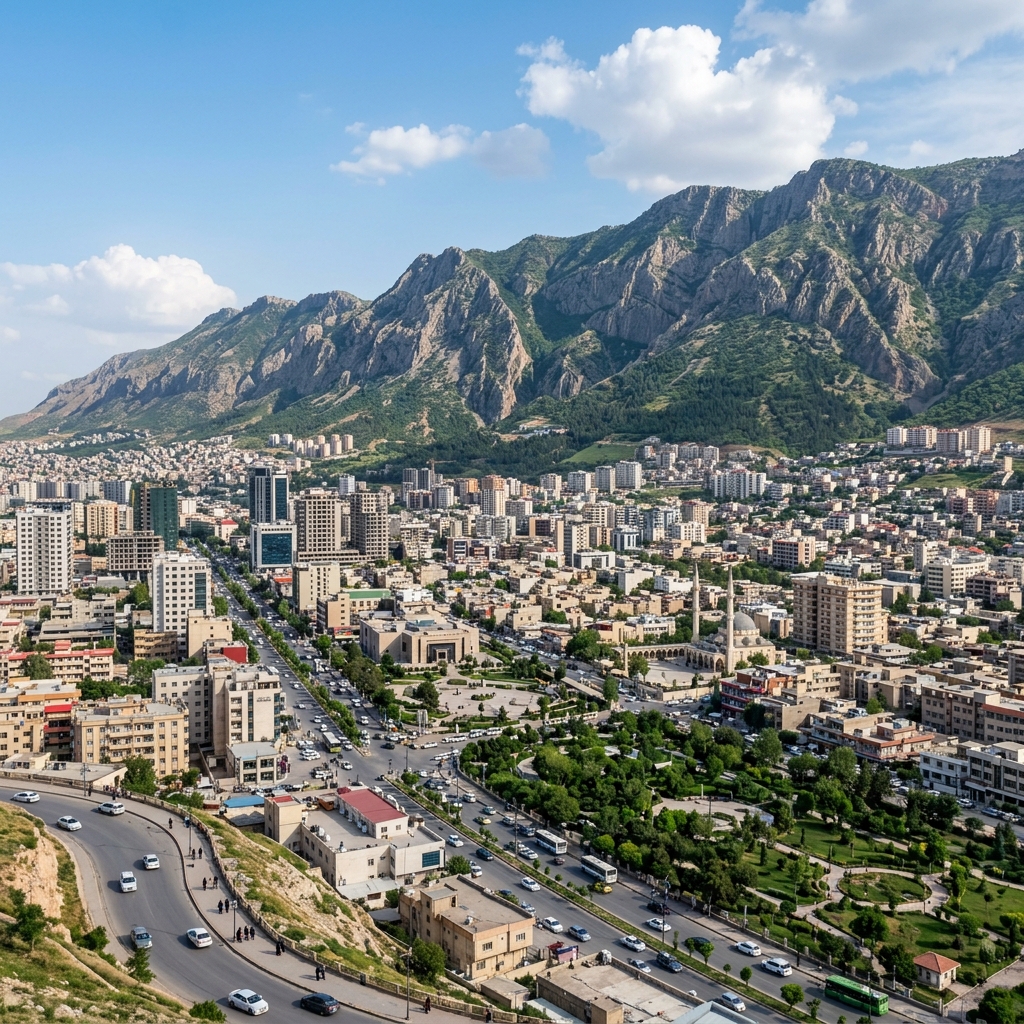
Duhok, the Valley City
Nestled in a green valley between the Bekhair and Shadakh ridges in northern Kurdistan.
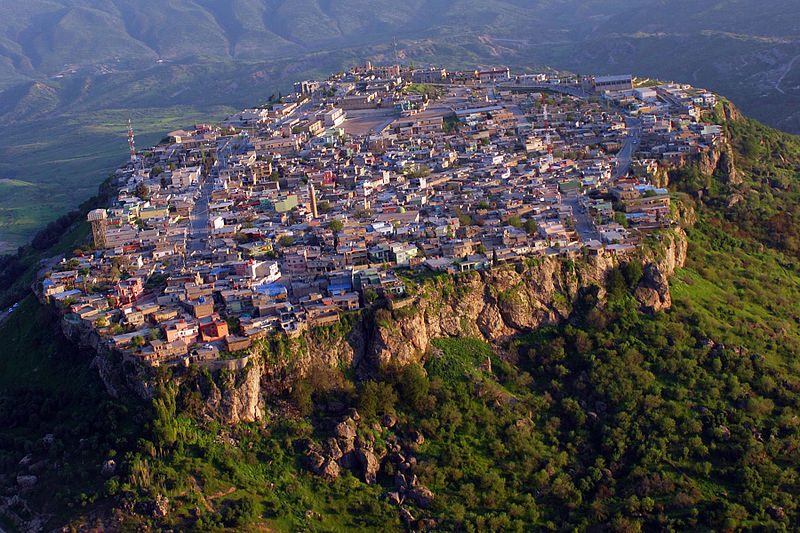
Amadiya
The ancient circular fortress town perched on a mountaintop plateau.
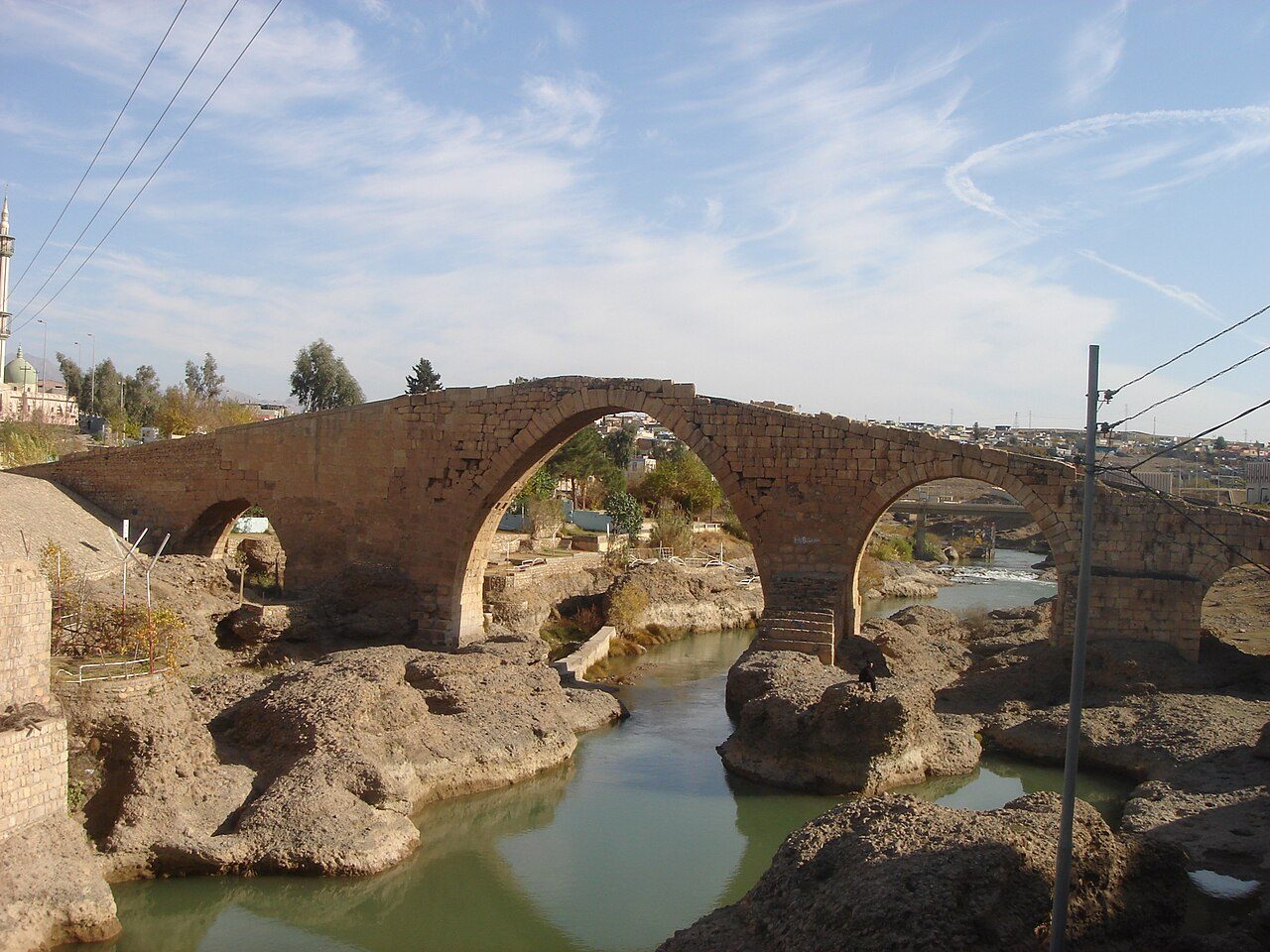
Zakho & Pira Delal
Border city on the Khabur River, known for its historic Delal bridge.
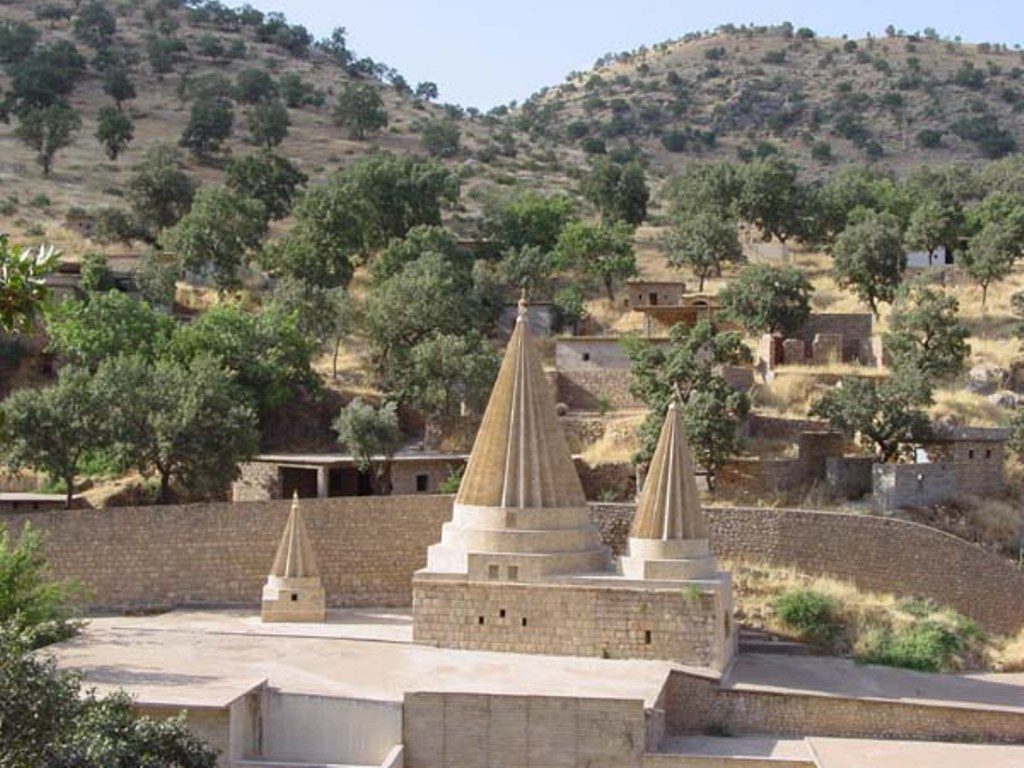
Lalish Sanctuary
The holy valley and spiritual heart of the Yazidi faith.
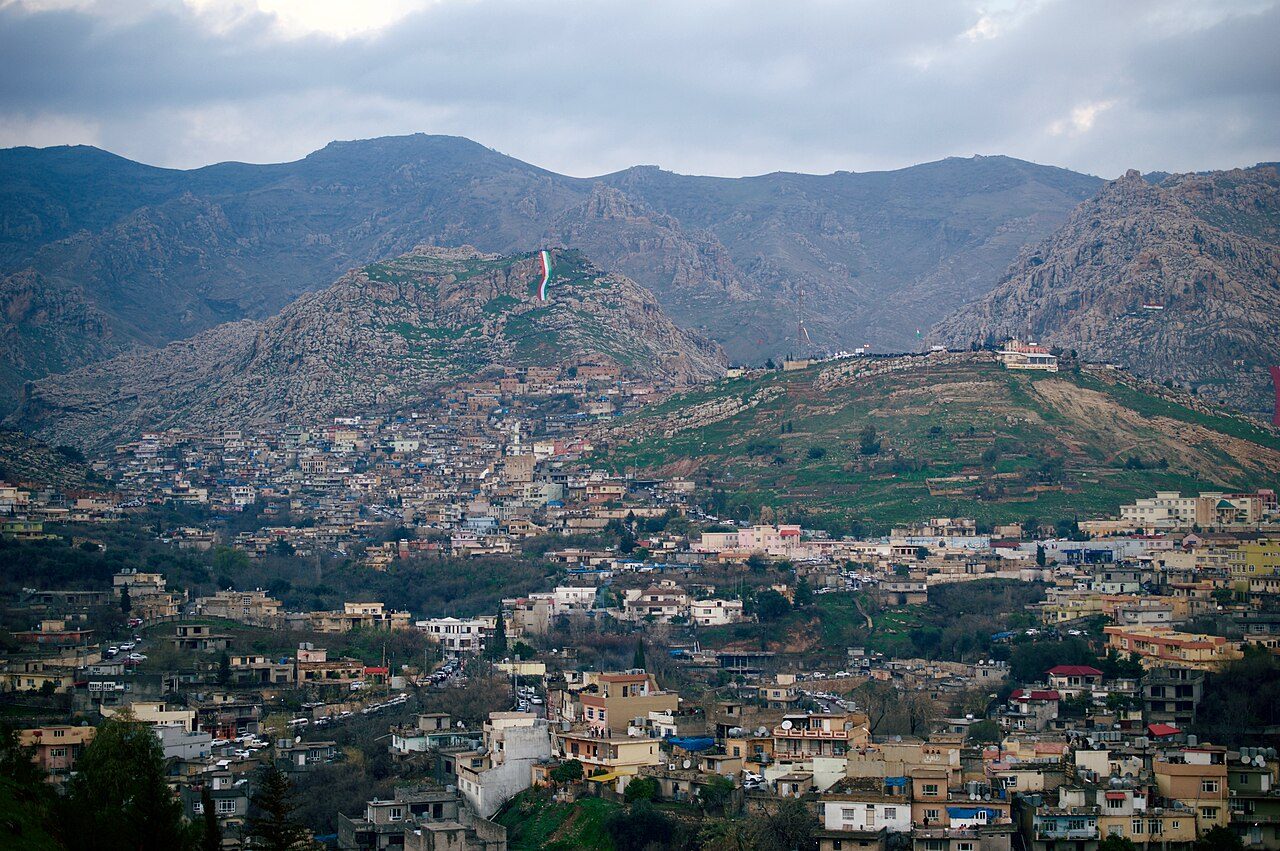
Akre
A hillside town of stacked stone houses famous for its Newroz fire festival.
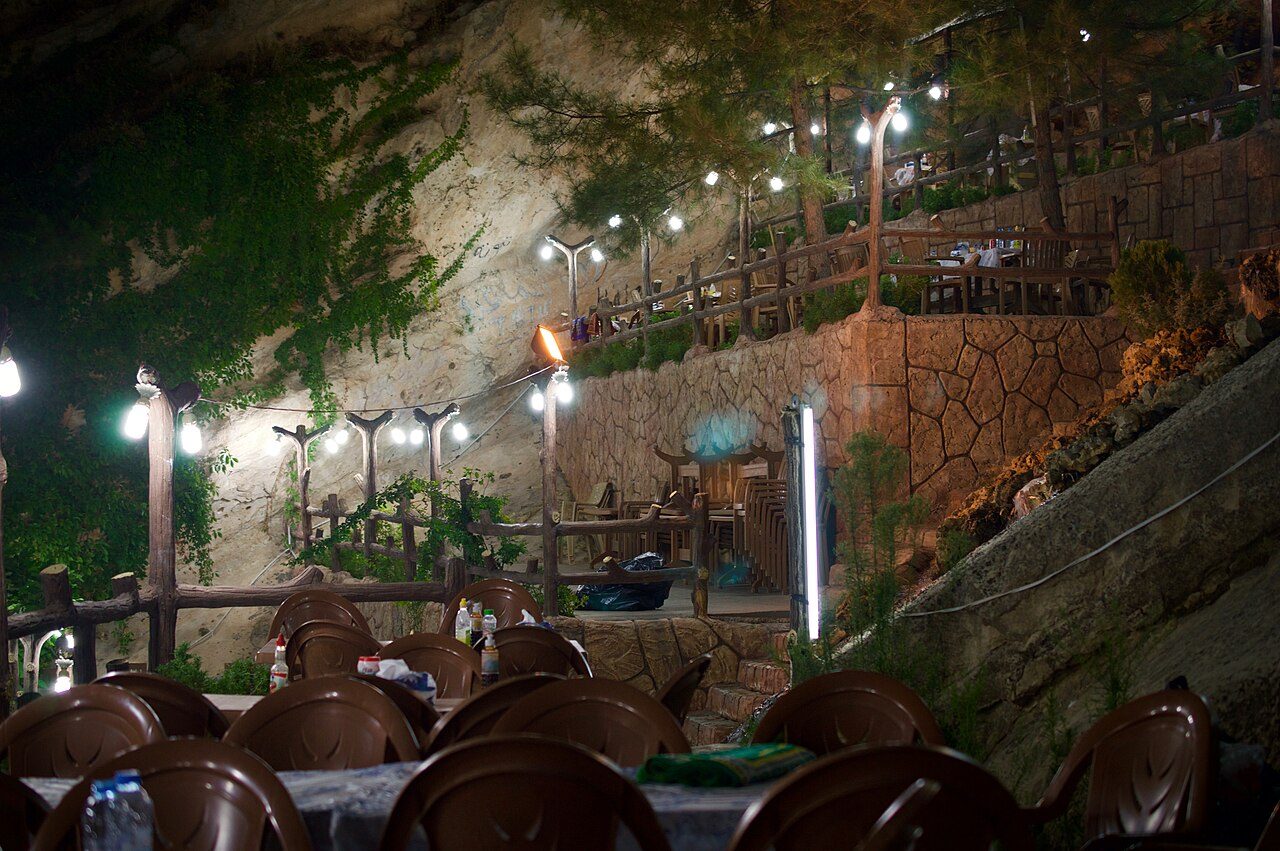
Zawita
A cool forested gorge area loved for picnics and mountain scenery.
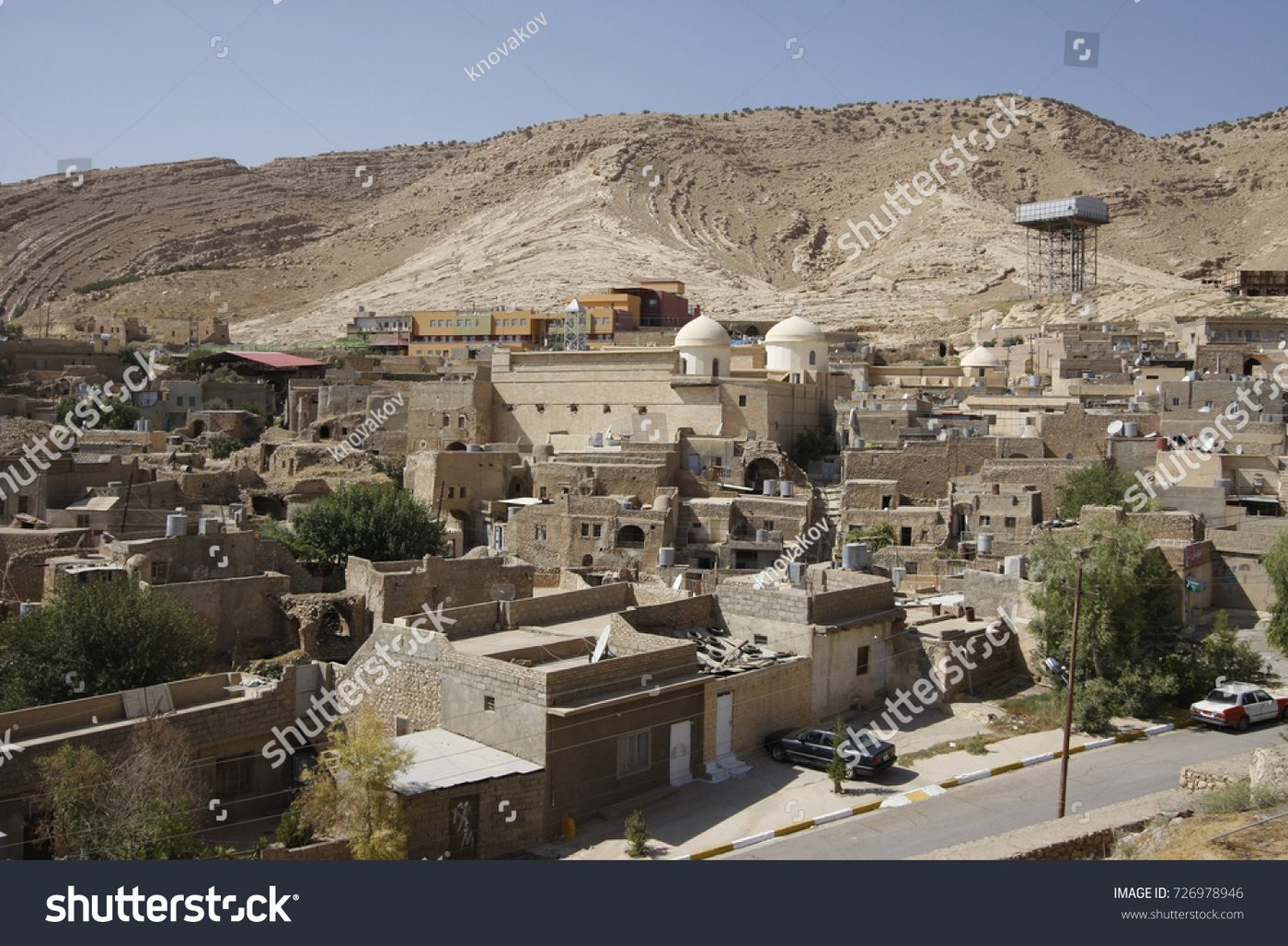
Alqosh
A historic Assyrian town beneath the Mount Alqosh monastery of Rabban Hormizd.
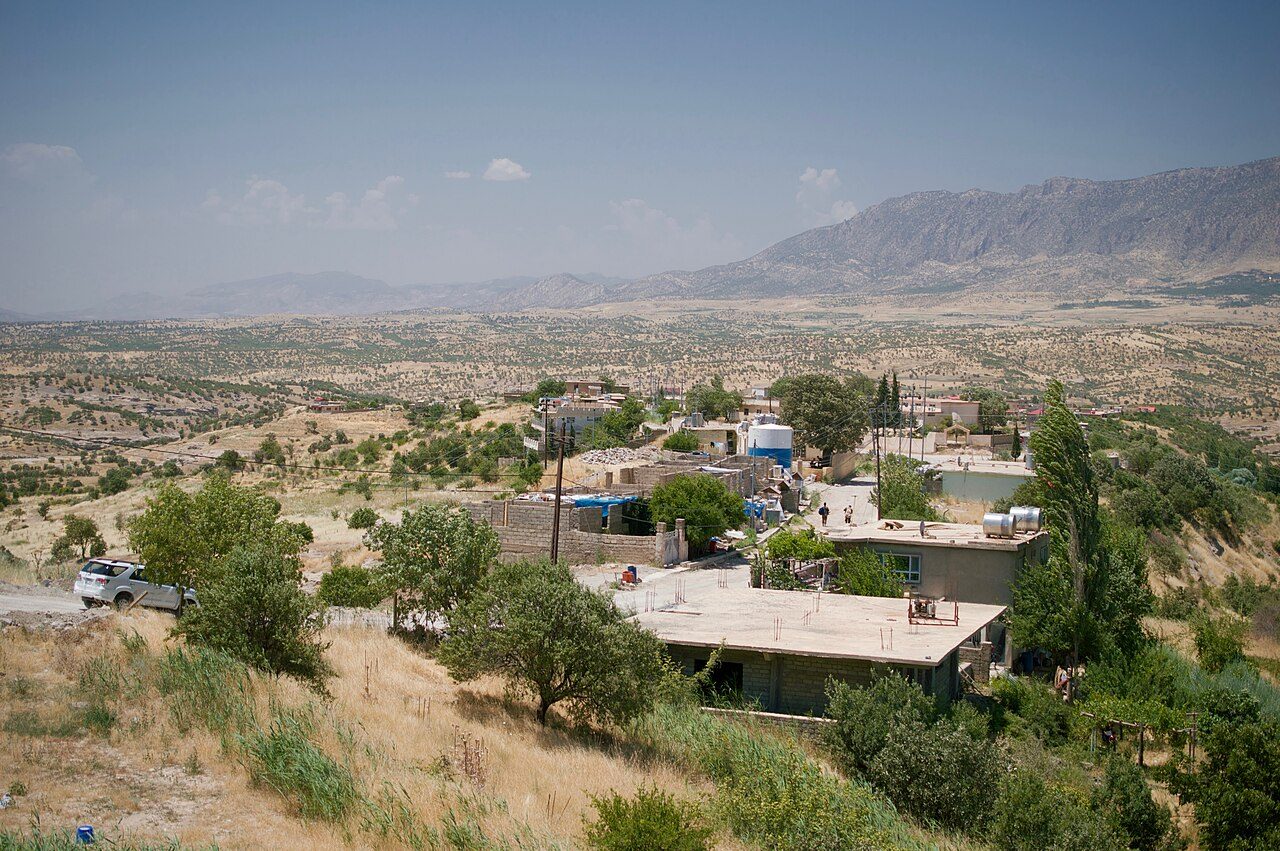
Sarsing
A mountain resort village with orchards, springs and fresh summer air.
Duhok Governorate
The Valley City, Alpine Cascades & Gateway to Ancient Wonders
Duhok (Dihok) is gracefully nestled in a verdant valley flanked by the Bekhair and Shadakh mountain ridges in northern Kurdistan. Renowned for its relaxed alpine ambiance, the Duhok Dam reservoir, Gali Duhok gorge, and proximity to extraordinary treasures such as the circular fortress town of Amadiya, the ancient Pira Delal bridge in Zakho, and the holy Yazidi sanctuary of Lalish, Duhok is Kurdistan's crown jewel of nature and heritage.
History & Heritage of Duhok
Explore the unbroken chronological lineage, ancient civilizations, medieval emirates, and modern renaissance of Duhok.
Baha al-Din (Badinan Principality) & Sultan Hussein Wali
Derived from the Kurdish words 'Dû' (Two) and 'Hok' (Grains or Hills), referring to the geographic gorge flanked by two dramatic mountain ridges through which the Duhok river flows.
Bab al-Badi (Zebar Gate) in Amadiya, Mosul Gate, and the Zakho Stone Bridge portal.
Ottoman imperial administrative decrees of the Vilayet of Mosul; Badinan sovereign silver dirhams minted in Amedi; Iraqi Presidential Decree No. 159 (27 May 1969).
Subartu, Hurrian Roots & Sennacherib Waterworks
The Duhok basin has been continuously inhabited since the dawn of Mesopotamian civilization, originally settled by the ancient Hurrians and Subartu tribes. Around 700 BCE, the Neo-Assyrian emperor Sennacherib engineered one of the ancient world's most astonishing feats of hydraulic engineering: the Jerwan Aqueduct. Spanning over 280 meters across the valley with five stone corbelled arches, it was built from more than two million dressed limestone blocks to channel water from mountain springs to Nineveh. Overlooking the valley at Malthai, monumental cliffside rock reliefs depict processions of supreme deities standing proudly atop sacred mythological beasts.
The monumental Jerwan Aqueduct stone inscriptions bearing Sennacherib's royal dedicatory cuneiform texts; the four Neo-Assyrian rock-cut relief panels at Malthai (dating to 704–681 BCE); excavations directed by Thorkild Jacobsen and Seton Lloyd (University of Chicago Oriental Institute).
Amadiya: The Impregnable Cliff-Top Mesa Citadel
Perched like a crown atop an isolated, sheer-sided limestone mesa rising 1,400 meters above sea level, Amadiya (Amedi) is a geographical and historical marvel. Continuously inhabited for thousands of years, the natural mountain fortress was accessible only via two narrow staircases chiseled into the solid rock. The ancient city sheltered an extraordinary mosaic of cultures: ancient Persian and Parthian governors, prominent Christian communities with churches dating to the 4th century, centuries-old synagogues, and the monumental 30-meter Amedi Minaret rising high above the plateau.
The rock-cut figures of Parthian warriors at the historic Zebar Gate (Bab al-Badi); the octagonal 30-meter Islamic stone minaret; ancient Jewish cemeteries and tombstones inscribed in Judeo-Aramaic; accounts of 12th-century Jewish traveler Benjamin of Tudela.
The Principality of Badinan & Pira Delal
Founded in 1376 CE by Baha al-Din, the Principality of Badinan was one of the most powerful and enduring sovereign Kurdish dynasties in history, governing the highlands from Zakho and Duhok to Akre and Shekhan for nearly five centuries. Throughout the Ottoman Era, the Badinan princes maintained autonomous self-rule, military alliances, and hereditary dynasties under negotiated imperial charters. Under Sultan Hussein Wali (1534–1576 CE), the principality minted its own currency, established the renowned Qubahan Theological Academy (which drew scholars of astronomy, mathematics, and Islamic jurisprudence from across the Islamic world), and restored the iconic 16-meter stone arch of Pira Delal across the Khabur river in Zakho.
Silver dirhams and coins minted in Amedi inscribed *Sultan Hussein bin Baha al-Din*; ruins of the Qubahan Madrasa with carved stone calligraphy; the monumental stone bridge Pira Delal in Zakho spanning the Khabur river; the Ottoman imperial tax registers of the Vilayet of Diyarbakir.
Lalish: The Supreme Spiritual Heart of Yazidism
Nestled in a peaceful wooded valley in the Shekhan district of Duhok governorate lies Lalish, the supreme spiritual center and holiest temple for Yazidis across the globe. Housing the tomb of the revered spiritual reformer Sheikh Adi ibn Musafir (died 1162 CE), Lalish is a living testament to ancient Indo-Iranian theological roots and deep reverential harmony with the sun and cosmic elements. Every year, tens of thousands of Yazidi pilgrims walk barefoot across the holy valley threshold to participate in sacred ceremonies at the Spring of Zamzam and the White Spring (*Kaniya Sipî*).
The distinctive fluted conical spires of the Lalish Temple; sacred stone reliefs of the Peacock Angel (Tawûsê Melek) and holy serpents at the temple portal; the subterranean spring chambers of Kaniya Sipî; documented accounts of British archaeologist Austen Henry Layard (1849).
Governorate Founding, Uprising & Cross-Border Gateway
On May 27, 1969, Duhok was officially separated from Mosul and established as an independent governorate. Following the nationwide Kurdish Uprising of March 1991, Duhok emerged as the primary commercial and transport artery of the Kurdistan Region via the international border crossing at Ibrahim Khalil. The establishment of the University of Duhok (1992), the American University of Kurdistan (2014), the monumental Duhok Dam leisure reservoir, and the Mount Zawa cable car transformed the city into an alpine educational and tourism center.
Iraqi Republican Decree No. 159 (Official Gazette of Iraq, 27 May 1969); official founding charter of the University of Duhok (1992); customs documentation of the Ibrahim Khalil International Border Terminal; Mount Zawa teleferik municipal operational registry.
Famous People & Historical Icons of Duhok
Discover the visionaries, statesmen, classic poets, and philosophers whose lives, ideas, and achievements defined Duhok.
1534–1576 CE
Sultan Hussein Wali
Revered sovereign of the Kurdish Principality of Badinan; minted his own sovereign coinage in Amedi; established the world-renowned Qubahan Theological Academy for astronomy, mathematics, and philosophy; restored Pira Delal in Zakho.
Knowledge is the true sovereign of the mountains; a throne established upon learning shall outlive the empires of swords.
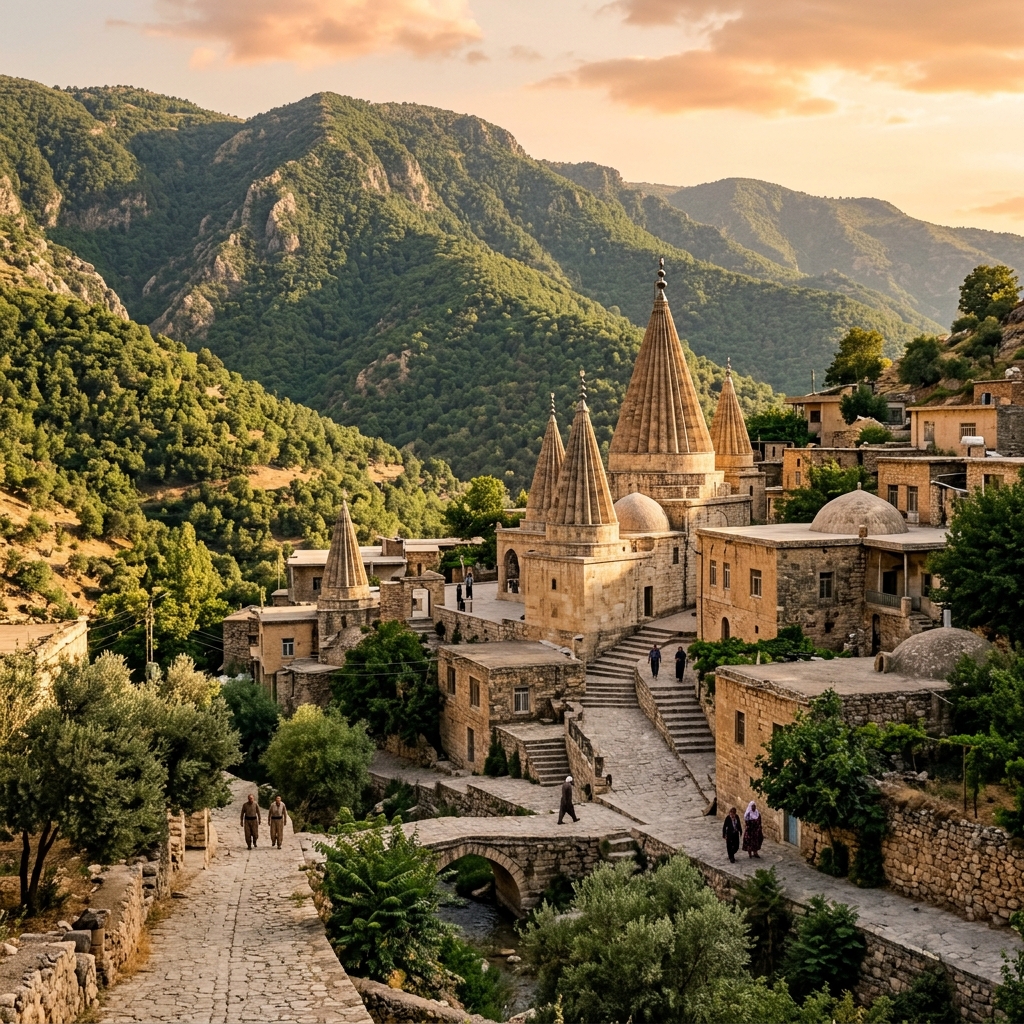 1073–1162 CE
Sheikh Adi ibn Musafir
Revered spiritual reformer who settled in the secluded valley of Lalish in Shekhan (Duhok governorate), establishing Lalish as the holiest global pilgrimage temple for all Yazidis, advocating universal harmony, ascetic purity, and reverence for nature.
Walk upon the sacred earth with barefoot humility, honoring the light of the sun and the purity of living water.
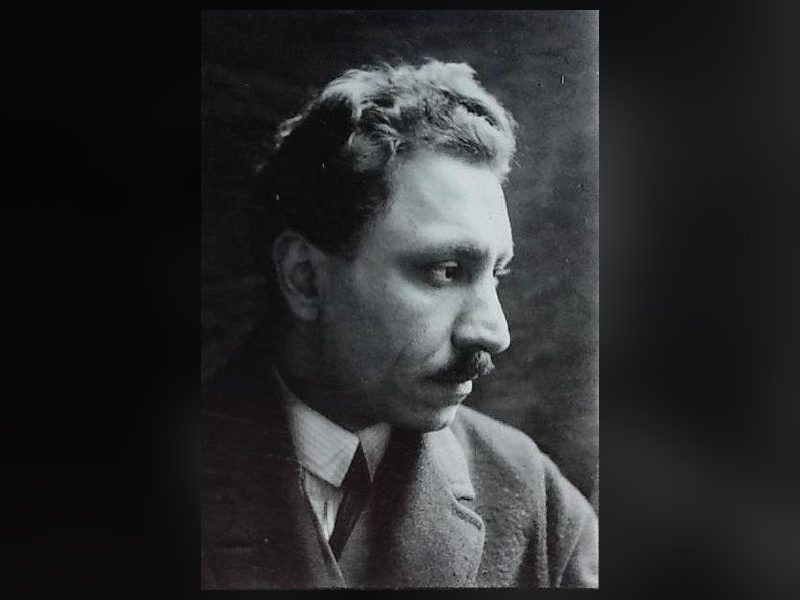 1893–1951 CE
Prince Celadet Alî Bedirxan
Descendant of the princely Bedirxan dynasty of the Northern Kurmanji cultural sphere; in 1932 created the Hawar Latin alphabet still used by millions of Kurds today; Paris Peace Conference diplomat and pioneer of modern Kurdish grammar.
The alphabet is the weapon of the mind; until we master our mother tongue in writing, our nation remains defenseless in the forum of the world.
1570–1640 CE
Mala Jaziri (Melayê Cizîrî)
One of the most celebrated classical poets of Kurdistan; composed intricate mystical ghazals that established Kurmanji as a prestigious literary vehicle of philosophical Sufism, deeply revered in Badinan madrasas for centuries.
I am the pearl of the deep mountain ocean; my verse is the illumination of divine love chiseled in the stone of Kurdistan.
Historic Quarters & Neighborhoods of Duhok
Explore the ancient residential quarters, artisan guilds, and historic market centers that preserve the architectural memory of Duhok.
Amadiya Citadel Mesa
Perched atop an isolated 1,400-meter limestone mesa, renowned for multi-faith coexistence between Muslims, Christians, and Jews.
Shakhke Quarter
Historic northern valley district built into terraced orchards along mountain spring canals, famous for water-powered grain mills.
Krouk Quarter
Old foothill settlement characterized by dry-stone masonry, vaulted cellars, and heritage fig and pomegranate gardens.
Old Duhok Bazaar Quarter
The bustling commercial heart of Duhok, famous for Kurdish traditional attire fabrics, Berwari honey, and hand-beaten silverware.
The Sacred Peacock Angel & The Stone Arch of Delal
Folklore across Duhok and Badinan holds that the great 16-meter stone arch of Pira Delal in Zakho was fortified with mystical mortar mixed with goat milk to withstand the raging torrents of the Khabur river. In Lalish, the sacred Peacock Angel (Tawûsê Melek) represents divine light, stewardship of the earth, and the sacred harmony uniting humankind with mountain springs and ancient oak forests.
The Alpine Gateway & Thriving Academic Center
Today, Duhok is recognized as the pristine alpine tourism gateway of Kurdistan. Home to the scenic Duhok Dam & Corniche, the modern University of Duhok (UoD), the American University of Kurdistan (AUK), and the acclaimed Duhok International Film Festival, it links northern Kurdistan with international trade routes via the Ibrahim Khalil border crossing.
Civic Offices, Universities & Services in Duhok
Essential directory of governmental directorates, municipal councils (Cancel), flagship universities, tertiary hospitals, banks, and academic institutions in Duhok.
The supreme executive administration of Duhok Governorate directing regional governance, master infrastructure, public utilities, and district coordination.
Municipal civic authority managing urban infrastructure, master zoning, public parks, building permits, city cleanliness, and environmental greening.
Elected provincial council enacting local municipal legislation, approving governorate annual budgets, and overseeing ministerial directorate performance.
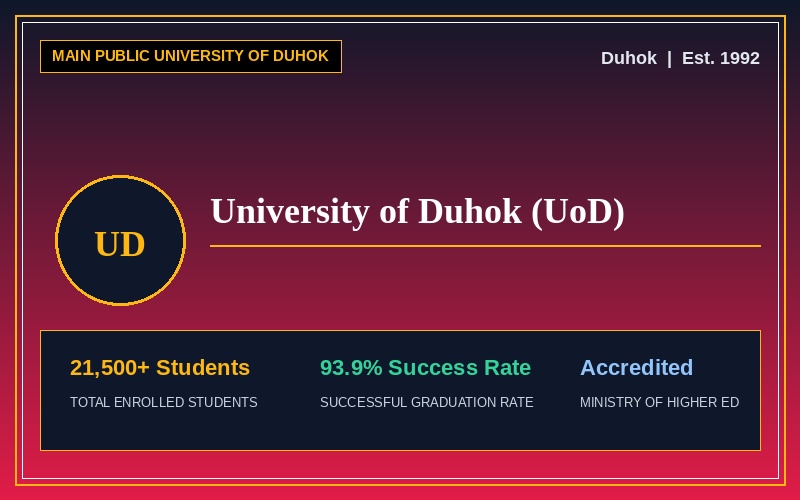
Premier public higher education and scientific research institution in northern Kurdistan, hosting 19 colleges including Medicine, Spatial Planning, and Engineering with over 21,500 students.
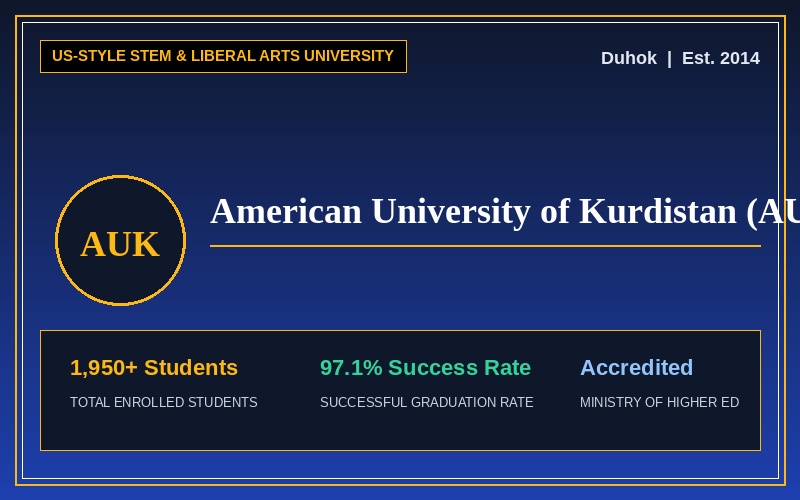
State-of-the-art non-profit American-curriculum university equipped with world-class engineering, digital media, business, and health science laboratories.
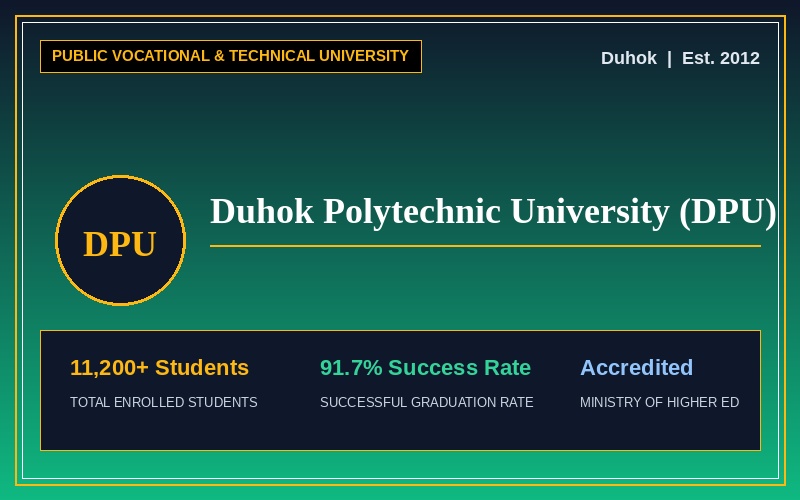
Leading public technical and applied university delivering Bachelor and Diploma programs in petrochemicals, medical laboratory sciences, IT, and hospitality across Duhok, Zakho, and Amedi.
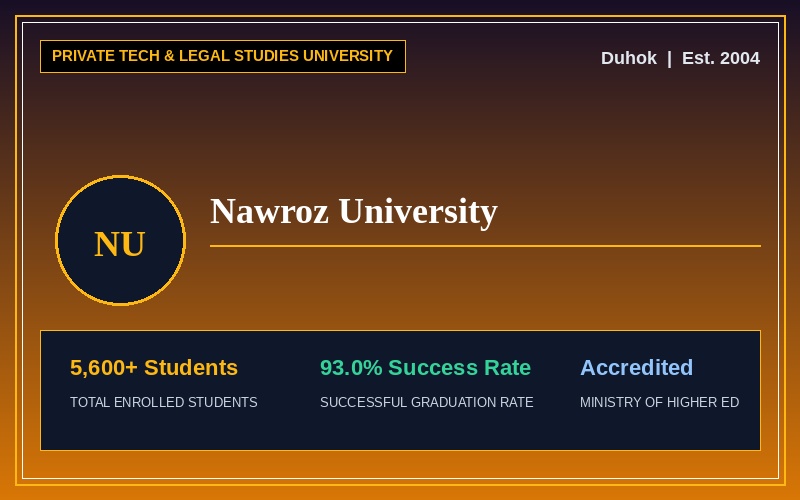
Prestigious private university founded in 2004, renowned for its colleges of Computer Science, Architectural Engineering, Law, and Economics with over 5,600 enrolled scholars.
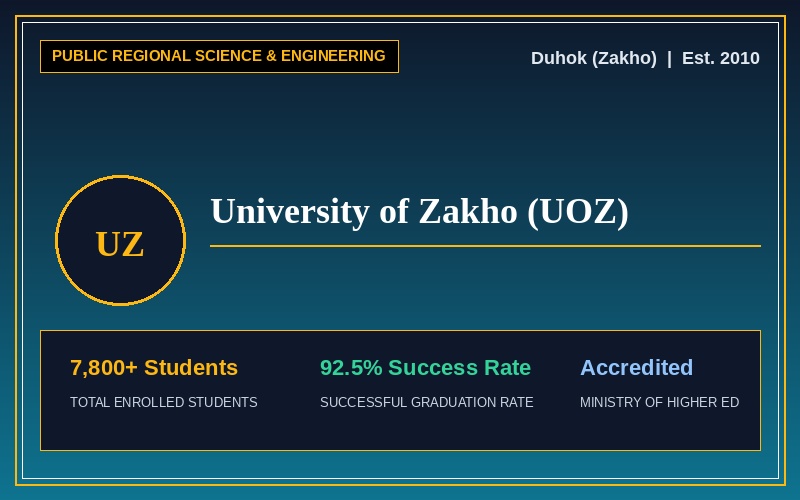
Major public university in Zakho district offering distinguished faculties in petroleum geology, physics, environmental biology, and Kurdish literature.
The primary state teaching hospital in Duhok providing 24/7 advanced surgical suites, cardiology cath labs, internal medicine, intensive care, and diagnostic radiology.
Specialized referral children hospital dedicated to pediatric subspecialties, neonatal intensive care (NICU), pediatric oncology, and corrective surgery.
Dedicated acute emergency and trauma center responding to accidents, critical resuscitations, and urgent acute care with immediate ambulance dispatch.
State-of-the-art private hospital offering comprehensive laparoscopic surgery, IVF reproductive clinic, MRI/CT diagnostics, and boutique patient suites.
Premier governmental commercial bank providing international Letters of Credit (LC), trade financing, business accounts, multi-currency debit/credit cards, and wire remittances.
Major regional bank delivering full-spectrum Islamic financing (Murabaha, Ijara), SME business loans, electronic retail banking, and Mastercards.
Fast-growing commercial bank in Kurdistan providing corporate financing, payroll management, electronic transfers, and secure international debit cards.
Comprehensive Islamic bank offering retail personal loans, auto and home financing, POS merchant payment terminals, and mobile banking.
World-accredited K-12 English-curriculum college preparatory school preparing students for International GCSE, AP exams, and top global university admissions.
Selective secondary school for exceptionally gifted youth in mathematics, physics, computing, and natural sciences, competing in national and regional science olympiads.
One of the oldest and most prestigious secondary schools in Duhok Governorate, having graduated renowned doctors, engineers, writers, and public servants.
Autonomous chamber representing over 15,000 commercial and industrial enterprises, facilitating foreign trade missions, import-export certificates, and investment partnerships.
Official government tourism directorate providing visitor information, resort regulation, travel guides for Gali Duhok, Amadiya, and Lalish, and hospitality standards.
24/7 civil defense, alpine rescue teams, flood response, and municipal fire suppression unit serving all districts of Duhok.
Emergency & Civic Hotlines
24/7 emergency response and civic services across Duhok
Administrative Directory & Localities of Duhok
Comprehensive interactive directory of municipal districts (Qaza), vibrant sub-towns (Nahiya), and picturesque mountain villages across Duhok Governorate.
Districts & Metropolitan Areas قەزاکانی دهۆک
7 Districts
District Photo
Akre (Aqrah) District
The glorious "Capital of Newroz", with hundreds of stone houses built terrace-style onto towering cliff faces, famous for torchlight fire ceremonies, waterfalls, and sweet figs.
District Photo
Amadiya (Amedi) District
One of the wonders of the world: a 3,000-year-old circular fortress city built on top of a single flat mountain mesa 1,400 meters high, with Bahdinan Gate and ancient minarets.
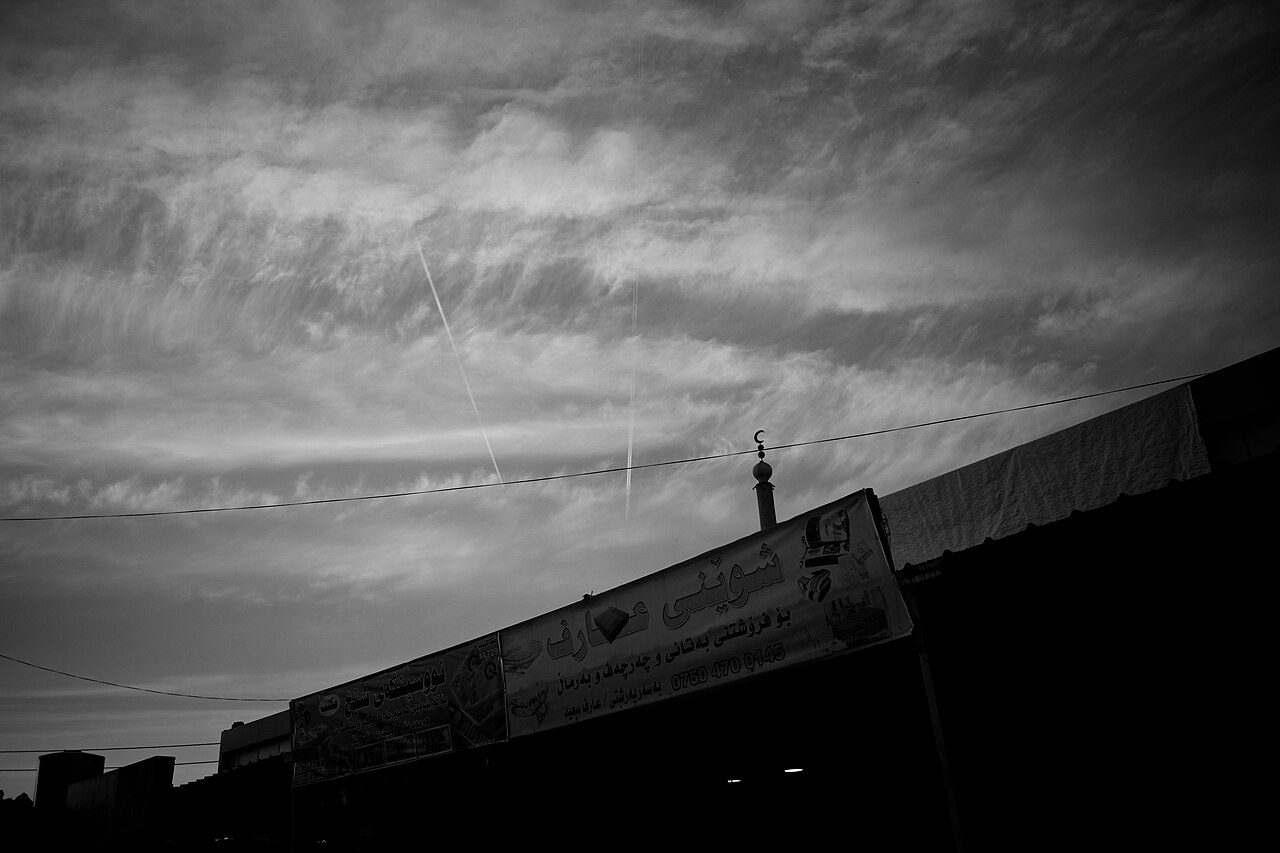 District Photo
Bardarash District
Vast agricultural basin connecting Duhok to Erbil and Nineveh, renowned for wheat fields, watermelon harvests, and pastoral charm.
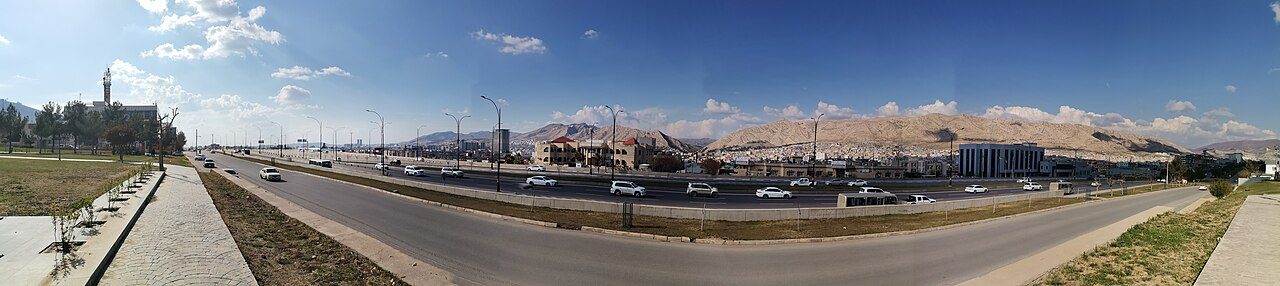 District Photo
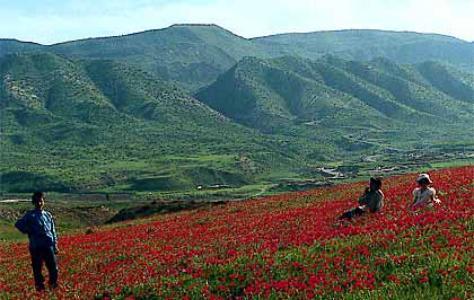
Duhok Central District
The modern valley capital featuring Duhok Dam Lake, Dream City, Zawa Mountain teleferik, University of Duhok, and vibrant park promenades.
 District Photo
Semel District
Fertile agricultural district west of Duhok city, home to sprawling wheat plains, historical mounds, and multi-community heritage.
 District Photo
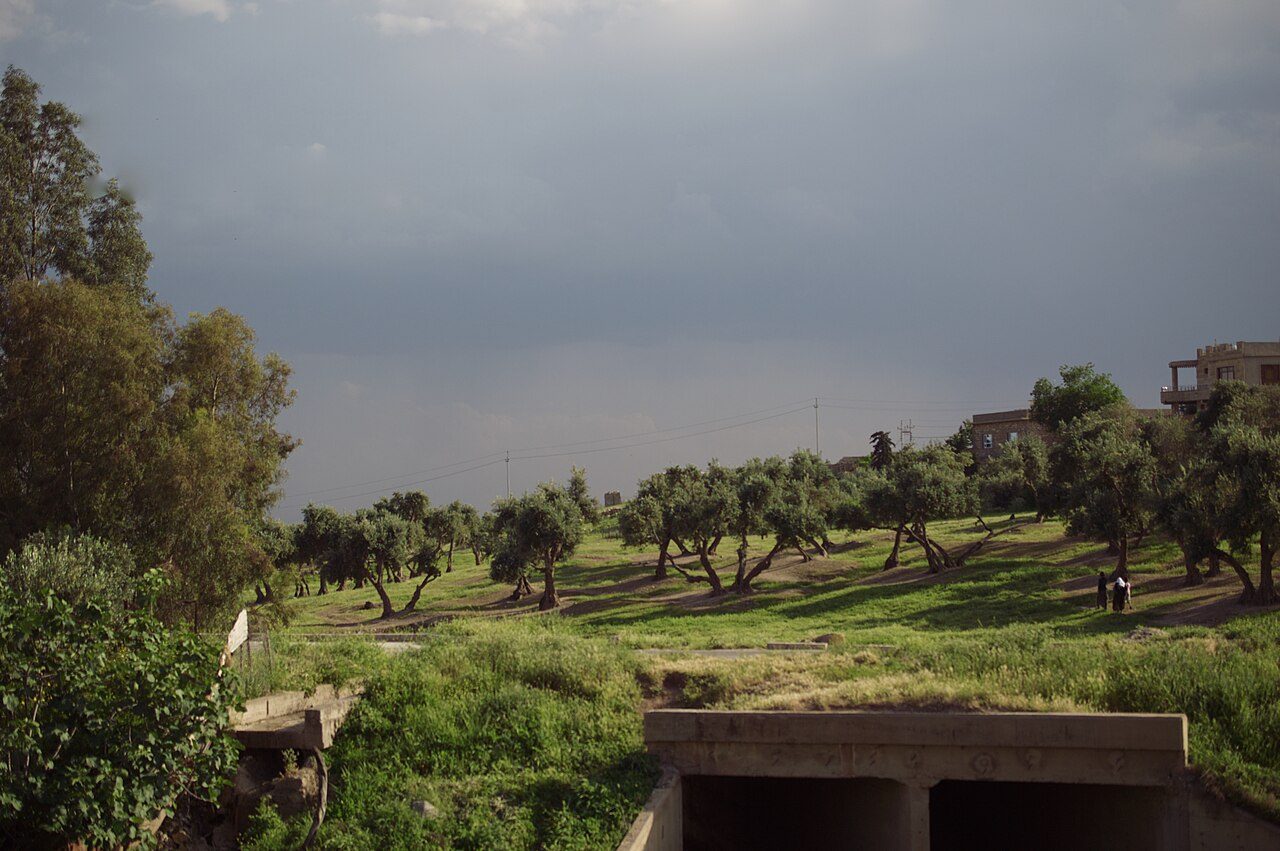
Shekhan (Ain Sifni) District
The spiritual heartland of the Yazidi people, home to the sacred pilgrimage valley and temple of Lalish, ancient Jerwan aqueduct (Sennacherib), and olive groves.
District Photo
Zakho District
Historic frontier city on the Khabur River, famous for the magnificent ancient stone arch bridge Pira Delal, vibrant bazaars, and trade gateways.
Sub-towns & Localities ناحیەکانی دهۆک
8 Sub-towns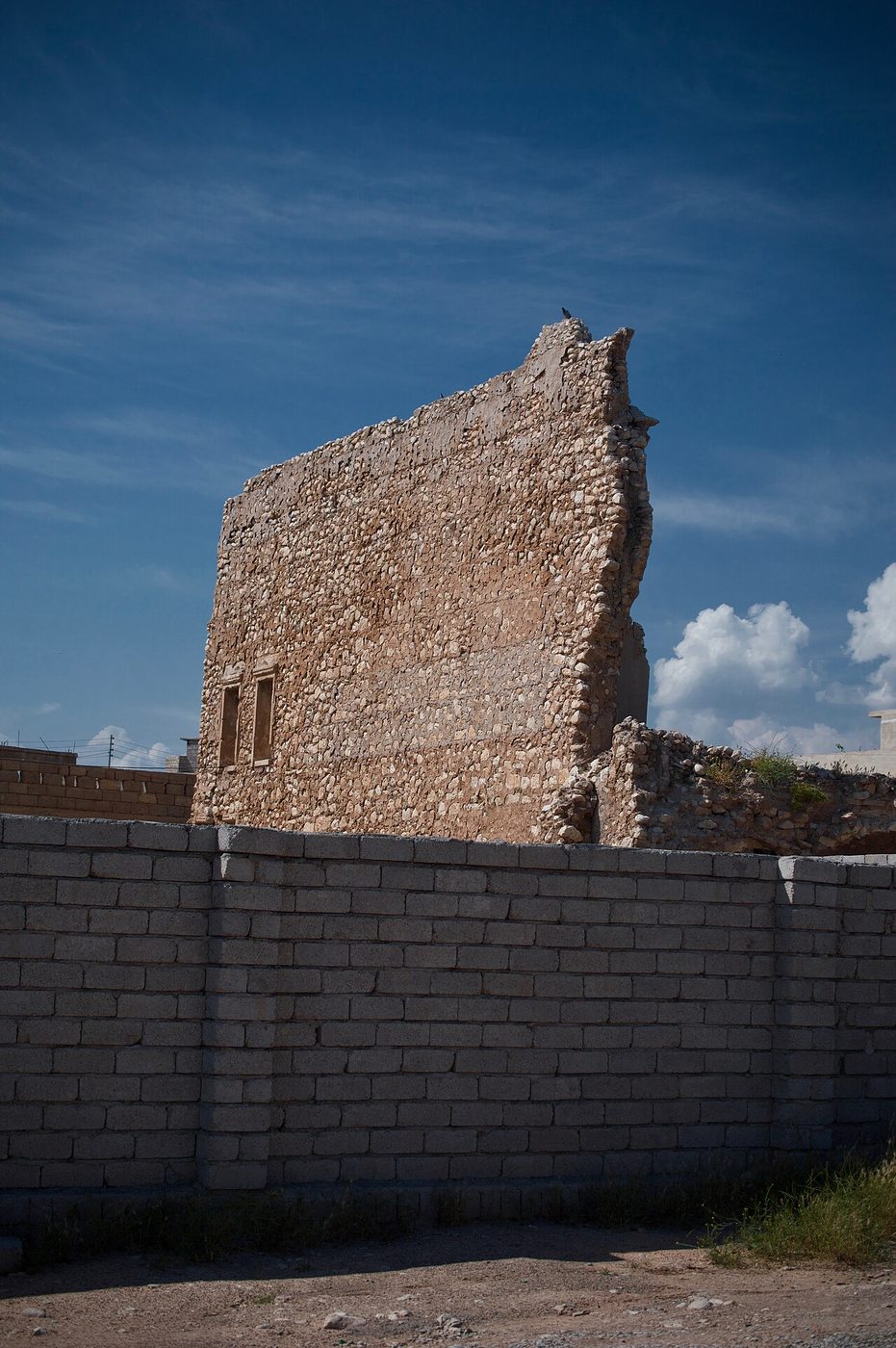 Sub-town Photo
Baadre
Historic capital of the Yazidi Mir (Princes) with the historic palace overlooking the green hills of Shekhan.
 Sub-town Photo
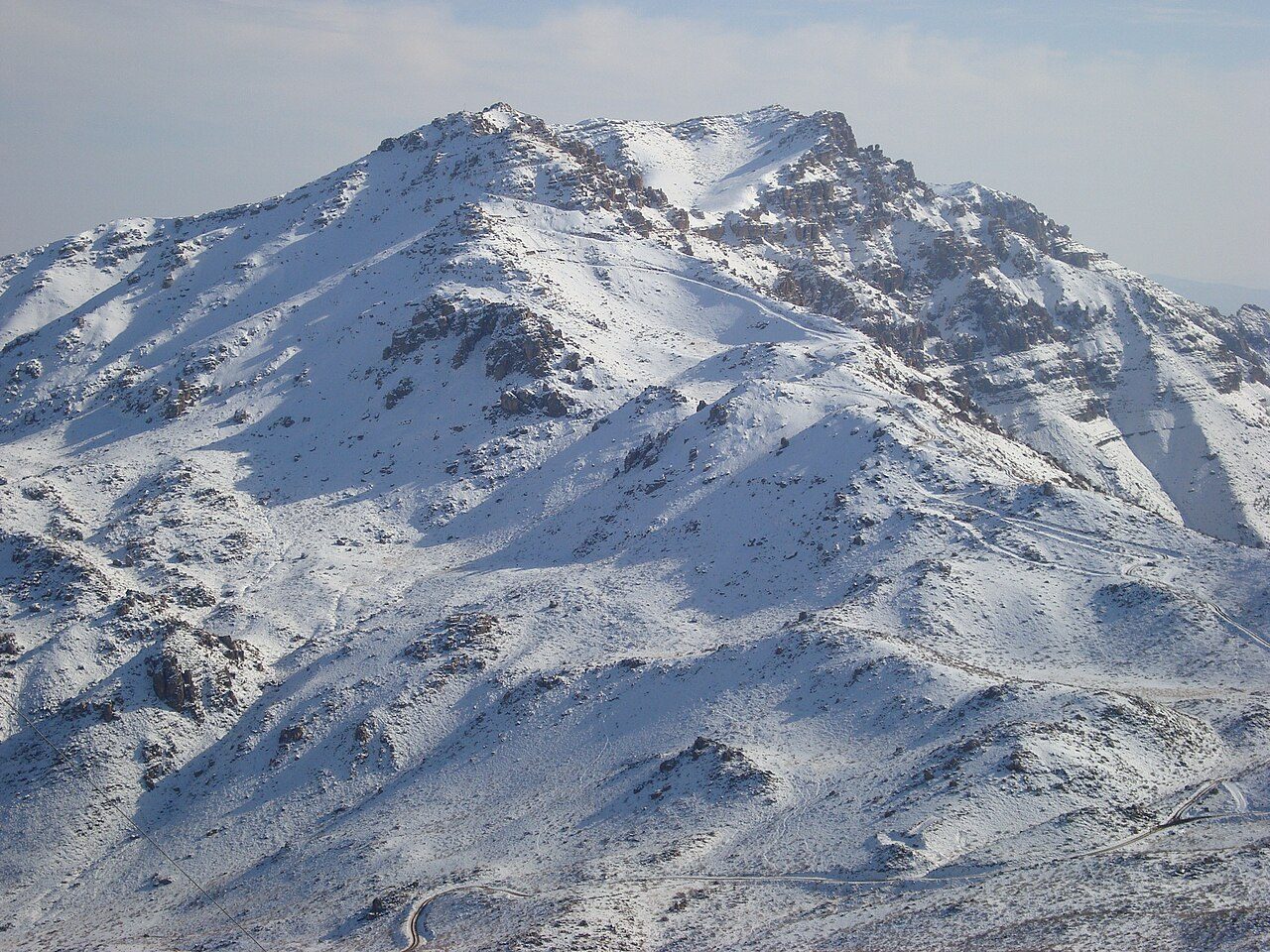
Batifa
Mountain border sub-town near Zakho home to Sharanish waterfall, ancient rock forts, and apple orchards.
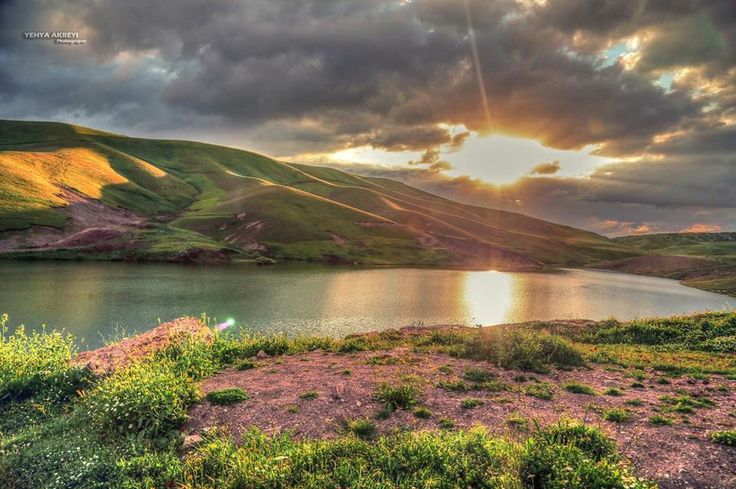 Sub-town Photo
Dinarte
Mountain gorge subdistrict in Akre filled with rushing springs, ancient mills, wild fig trees, and natural caves.
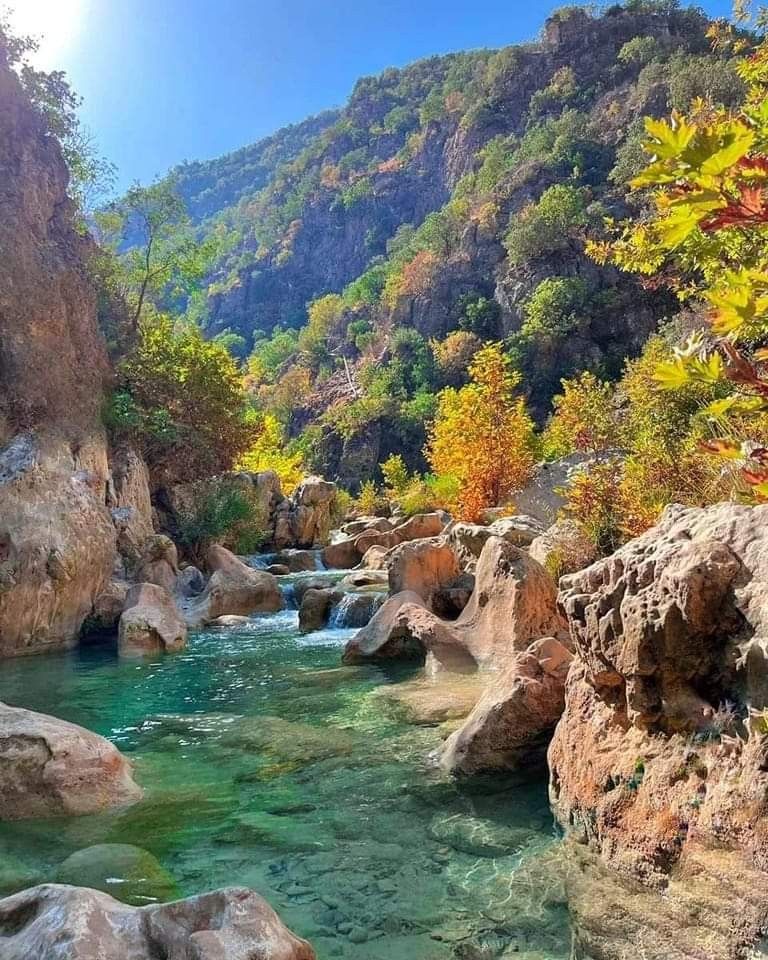 Sub-town Photo
Kani Masi
Known as "The Spring of Fish", this highland border subdistrict in Berwari Bala is world-famous for red apples, walnuts, and clear trout streams.
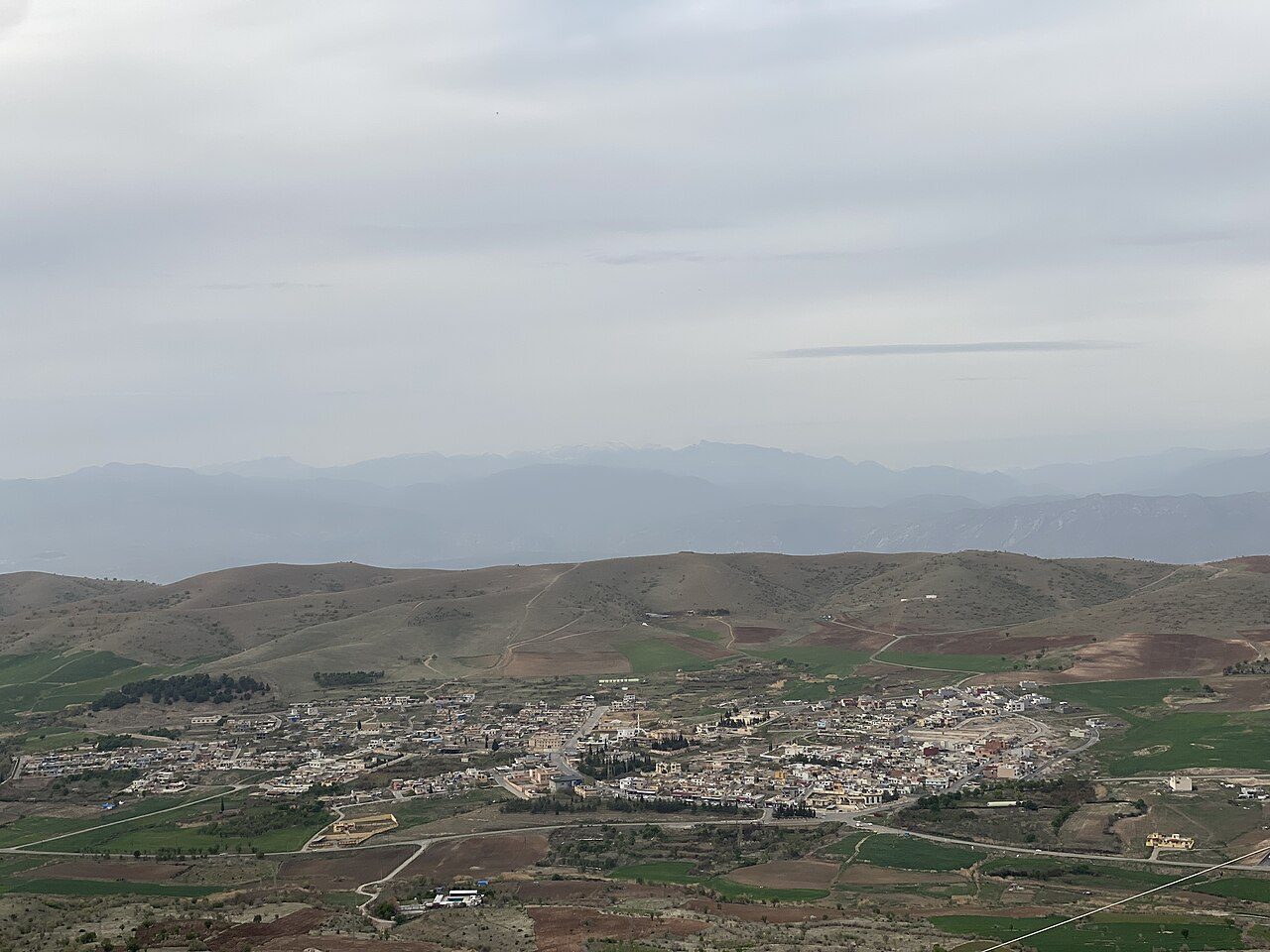 Sub-town Photo
Mangish
Picturesque historic Christian and Kurdish stone village with Mar Gorgis church, vineyards, and traditional winemaking heritage.
Sub-town Photo
Sarsing
Famous alpine summer resort nestled in pine forests on the slopes of Mount Gara, with crisp mountain air and historical royal chalets.
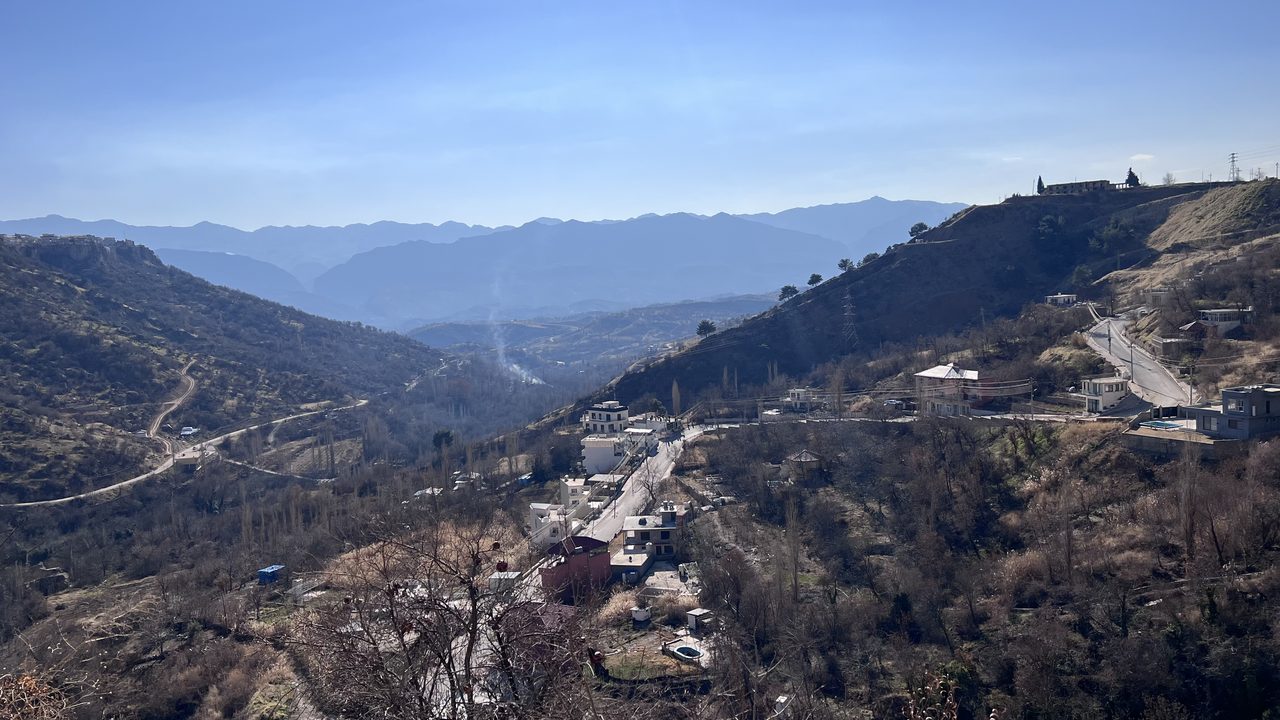 Sub-town Photo
Sulav
Enchanting resort village directly beneath the sheer cliffs of Amadiya, where mountain waterfalls tumble into shaded cafe pools.
Sub-town Photo
Zawita
Celebrated pine forest gorge just minutes from Duhok city, filled with barbecue picnic grounds, fresh mountain air, and tall Aleppo pines.
Featured Mountain Villages & Hamlets گوندەکانی دهۆک
10 Villages
Village Photo
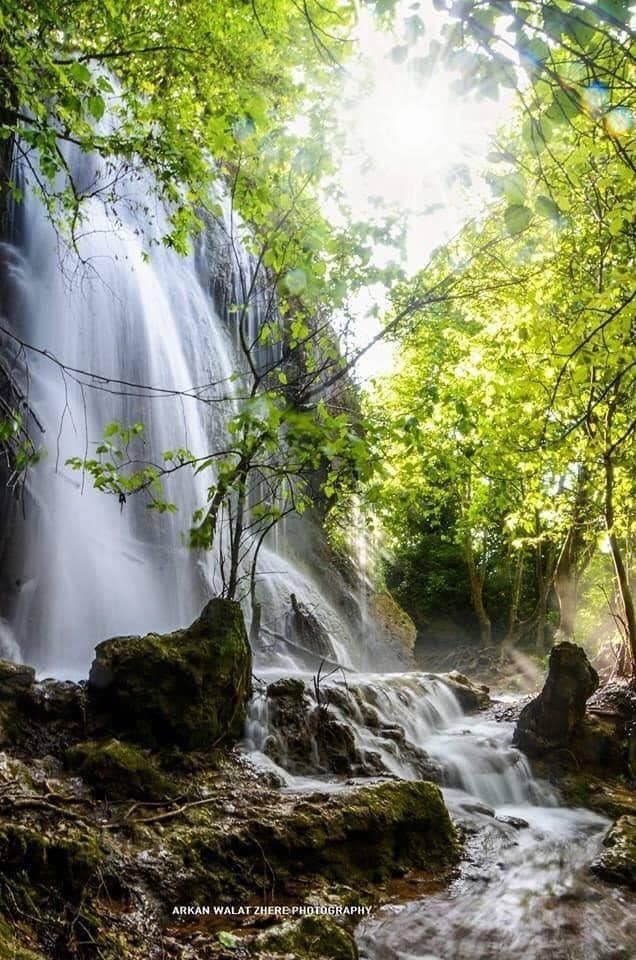
Ancient hillside town with the 7th-century Rabban Hormizd Monastery carved directly into the mountain cliffs and the tomb of prophet Nahum.
Rabban Hormizd Cliff Monastery & Tomb of Nahum
 Village Photo
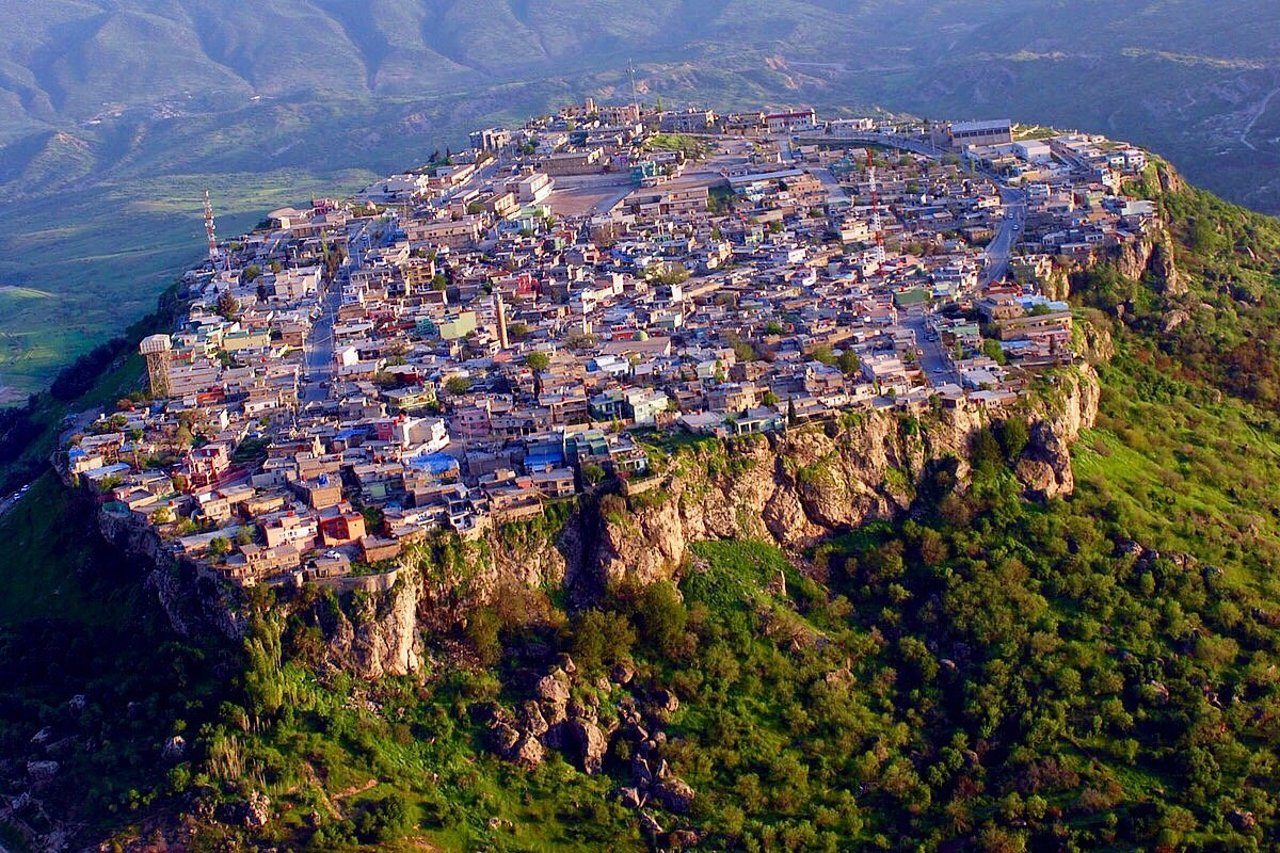
Avze Geli Village
Stunning river gorge village where turquoise mountain rivers cut through narrow rock canyons near Zakho.
Turquoise River Pools & Wild Trout
 Village Photo
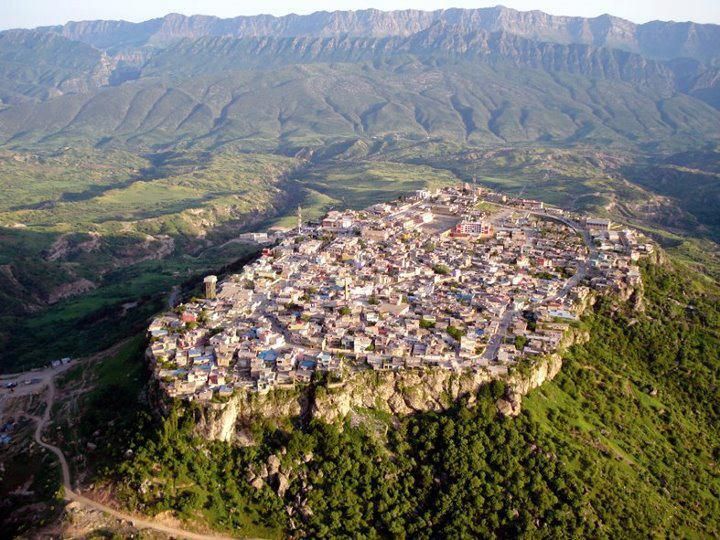
Bebadi Village
Scenic village situated directly below Mount Mateen facing Amadiya Citadel, famed for ancient stone houses, walnuts, and terraced vineyards.
Amadiya Citadel Views, Mountain Honey & Walnuts
 Village Photo
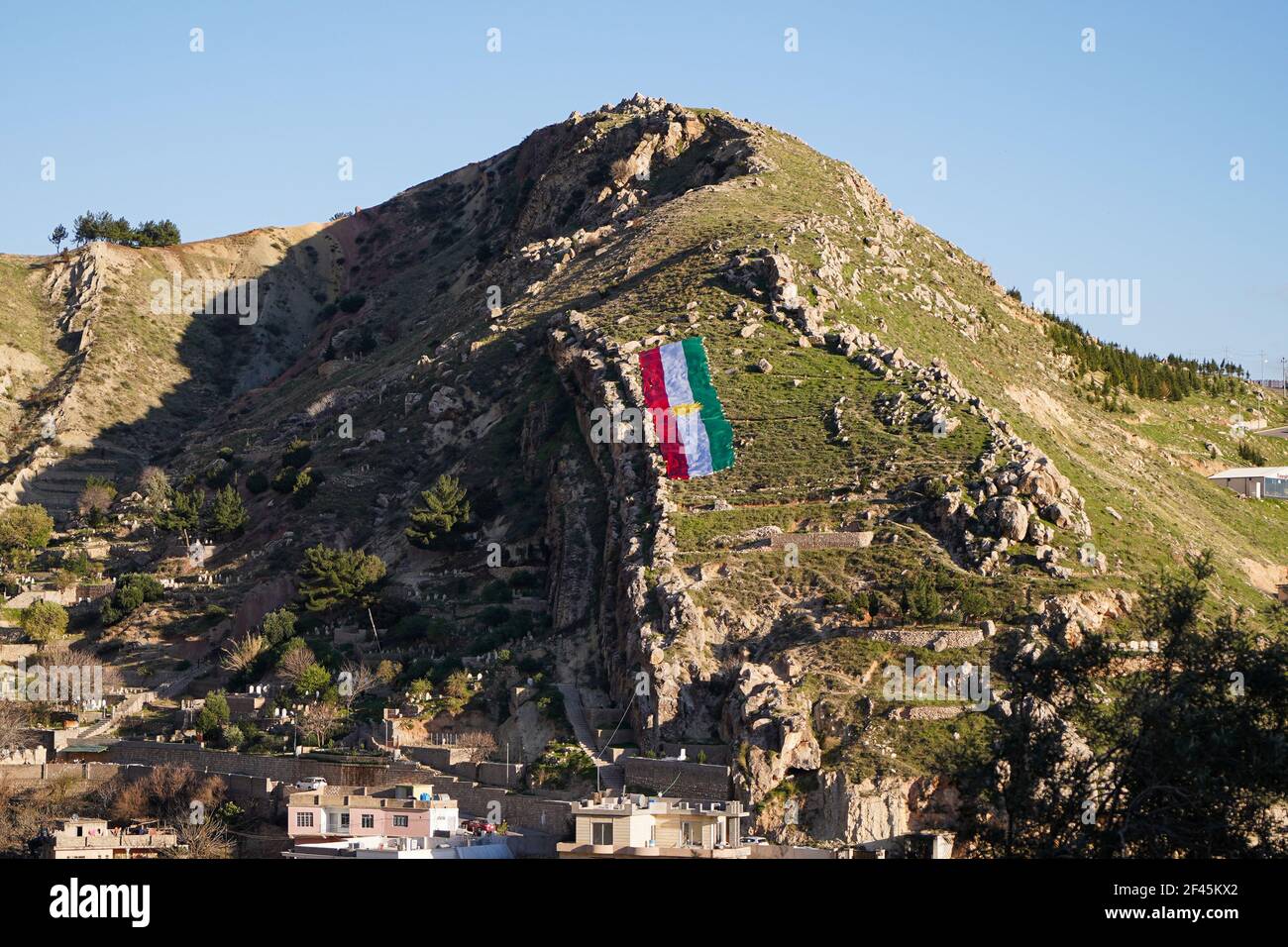
Gere Gowar Village
Remote alpine village in Berwari Bala known for crystal mountain springs, walnut trees, and traditional Kurdish mountain hospitality.
Cold Berwari Springs & High-Altitude Herbs
 Village Photo
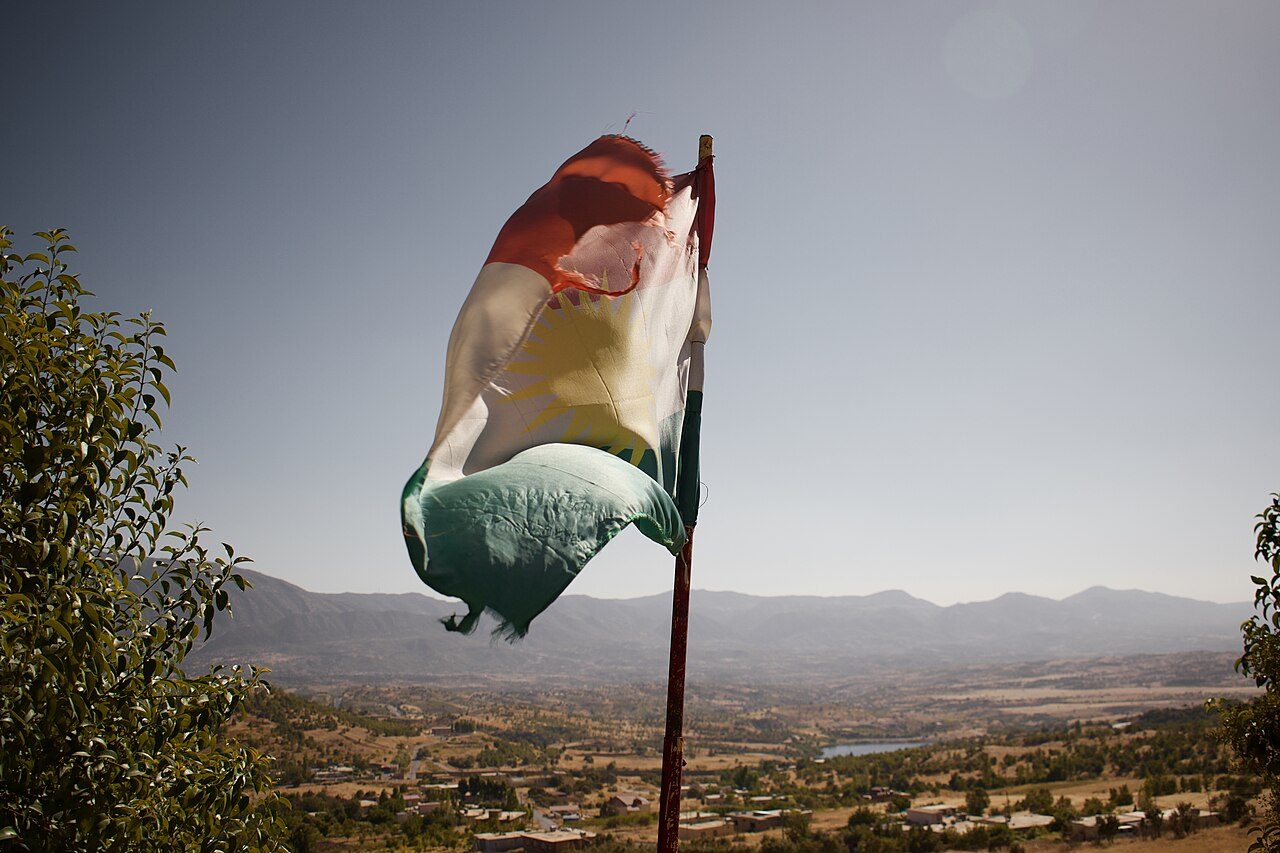
Gundik Cave Village
Ancient village famous for Gundik Cave containing 4,000-year-old rock relief carvings depicting hunting scenes from antiquity.
Prehistoric Rock Reliefs & Spring Meadows
 Village Photo
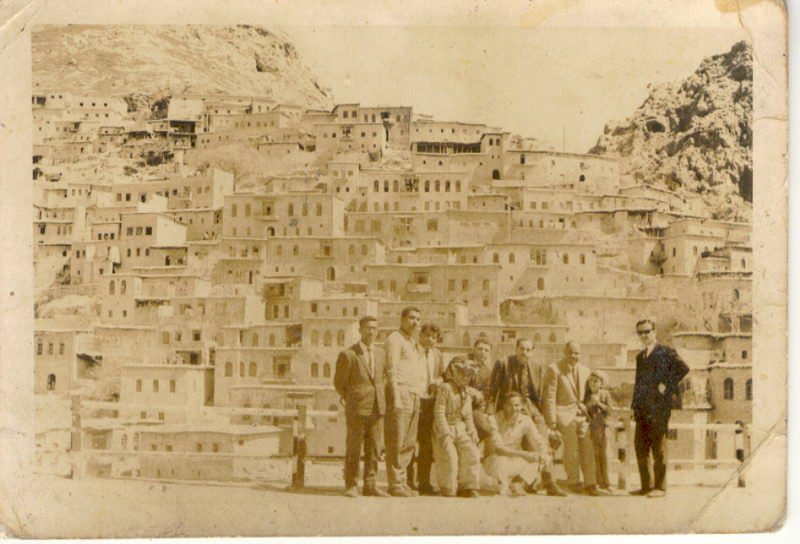
Inishke Village
High mountain village famous for the vast natural Inishke Cave containing ice-cold underground springs, cascading exterior waterfalls, and historic Christian and Kurdish harmony.
Natural Inishke Ice Cave, Cascades & Stone Terrace Dining
 Village Photo
Korekê Village (Akre)
Traditional stone village near Akre surrounded by wild pomegranate groves, fig orchards, and mountain water canals.
Akre Fig Trees, Pomegranates & Pure Honey
Village Photo
Lalish Sanctuary Village
The world's holiest Yazidi pilgrimage sanctuary, tucked into a peaceful forested mountain valley. Visitors walk barefoot on ancient stone flagstones among conical spires, sacred olive oil lamps, and holy springs of Zemzem and Kaniya Sipi.
Conical Sun Temples, Sacred Olive Groves & Holy Springs
 Village Photo
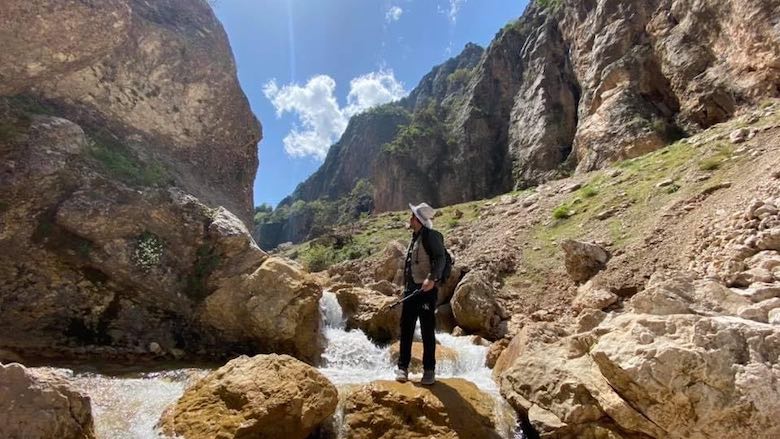
Spindar Village
High-altitude village located on the northern slope of Mount Gara, offering breathtaking views across the Sapna valley.
Sapna Valley Panoramic Vistas & Apple Orchards
 Village Photo
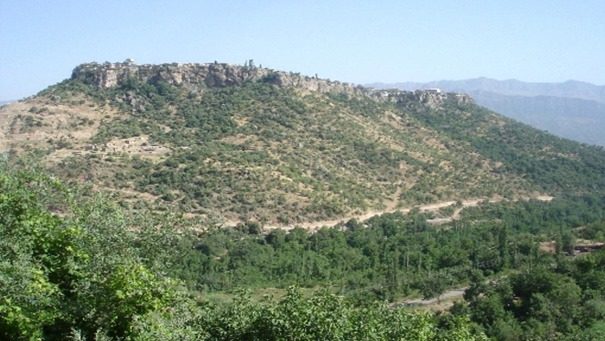
Zawita Forest Village
Famous wooded mountain village nestled amidst the densest natural pine forests in Iraq and Kurdistan, popular for alpine picnics and fragrant pine breezes.
Aleppo Pine Woodlands, Wild Sumac & Roasted Nuts
Landmarks & Attractions
Must-see historical sites, mountain resorts, and natural sanctuaries in Duhok Governorate.
Amadiya (Amedi) Mesa Citadel
3,000-year-old fortress city perched 1,400m high atop a sheer cliff plateau.
Lalish Yazidi Sanctuary
The holiest temple of the Yazidi faith with sacred spires and peaceful mountain woods.
Pira Delal Bridge (Zakho)
Ancient Roman/Abbasid stone arch bridge spanning 114 meters over the Khabur River.
Duhok Dam & Lake Promenade
Scenic reservoir surrounded by pine-covered hills, walking paths, and cafes.
Akre Old Town & Fire Cliffs
Stone houses stacked against mountain slopes, world-famous for Newroz torch processions.
Sulav & Inishke Waterfalls
Cool mountain springs and ice cave cascades beneath Mount Mateen.
Universities & Colleges of Duhok
Prominent public universities, technical institutes, and academic centers located in this governorate.
Gastronomy of Duhok
Signature culinary specialties, mountain spices, and local delicacies native to this governorate.
Akre Spiced Rice (Birincê Akrê)
Aromatic native mountain rice cooked with roasted almonds, saffron, and tender braised lamb.
Duhok Tahini (Reşî)
World-famous stone-ground sesame tahini crafted from native Kurdish sesame seeds.
Berwari Apples & Walnuts
Crisp, sweet highland red apples and mountain walnuts harvested in high valleys.
Interconnected Heritage of Duhok
Explore how Duhok connects to ancient history, traditional culture, architecture, and language in Kurdistan.
Other Governorates of Kurdistan
Continue your journey across all 5 major metropolitan and mountain regions.
No comments yet. Be the first member to start the discussion!