01
Cradle of Ancient Agriculture in the Zagros Foothills
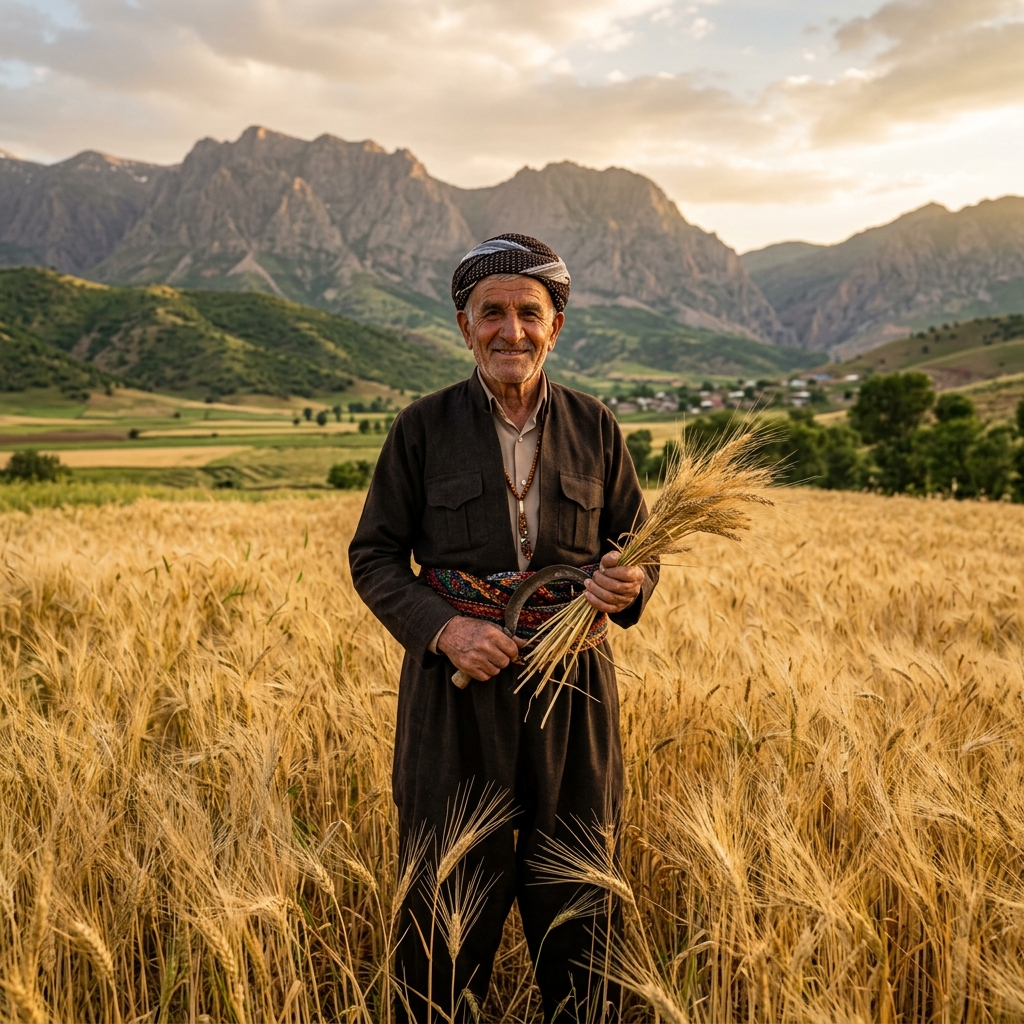
For more than ten thousand years, the foothills, fertile river valleys, and sweeping intermontane plains of Kurdistan have nourished human civilization. Archaeological excavations at Jarmo, situated near Chamchamal, and Shanidar in the Bradost mountains provide definitive scientific evidence that the Zagros mountain arc was the original cradle where humankind first domesticated wild einkorn and emmer wheat, barley, lentils, and pastoral livestock. The Kurdish farmer (Cotyar) is therefore not merely a laborer of the earth; they are the living heirs and custodians of an unbroken agricultural lineage that pioneered agrarian civilization and fed the ancient Near East across millennia.
02
Terraced Mountain Engineering and Ancient Karez Aqueducts
Farming in the rugged vertical topography of Kurdistan required extraordinary ingenuity. In steep mountain enclaves such as Hawraman, Akre, and Rawanduz, Kurdish farmers accomplished monumental feats of landscape engineering without modern machinery. Over centuries of painstaking labor, they carved dramatic dry-stone terraces into vertical limestone cliffs, creating stepped micro-climates that nurtured lush orchards of sweet pomegranates, figs, grapes, and towering walnut groves. To irrigate these hanging mountain gardens, Kurdish communities engineered the ancient Karez system—a sophisticated network of gently sloping underground aqueducts that captured subterranean mountain snowmelt and channeled pure cold water directly to village terraces without losing a single drop to summer evaporation or depleting natural water tables.
03
Daily Life, Communal Solidarity (Herawuz) and Hospitality
The rhythm of a Kurdish farmer’s life is governed by the sun, the mountain seasons, and deep communal solidarity. Rising well before dawn while mist still hugs the valley floor, the farmer begins the day with a nourishing mountain breakfast: thick sheep-milk yogurt (Mast), fresh honeycomb gathered from stone cliff hives, walnuts, goat cheese, and steaming flatbread pulled straight from the clay tandoor oven. Farming in Kurdish villages is inherently reciprocal through the cherished cultural practice of Herawuz (communal cooperative assistance). When wheat fields turn golden under the summer sun or autumn pomegranates must be hand-harvested and pressed into ruby molasses (Rubi Hinar), neighbors gather to work together in joyful unison, singing rhythmic harvesting ballads (Goranî Dirwên) that transform arduous physical labor into a spirited celebration of community unity and shared abundance.
04
Modern Agricultural Renaissance and Food Sovereignty
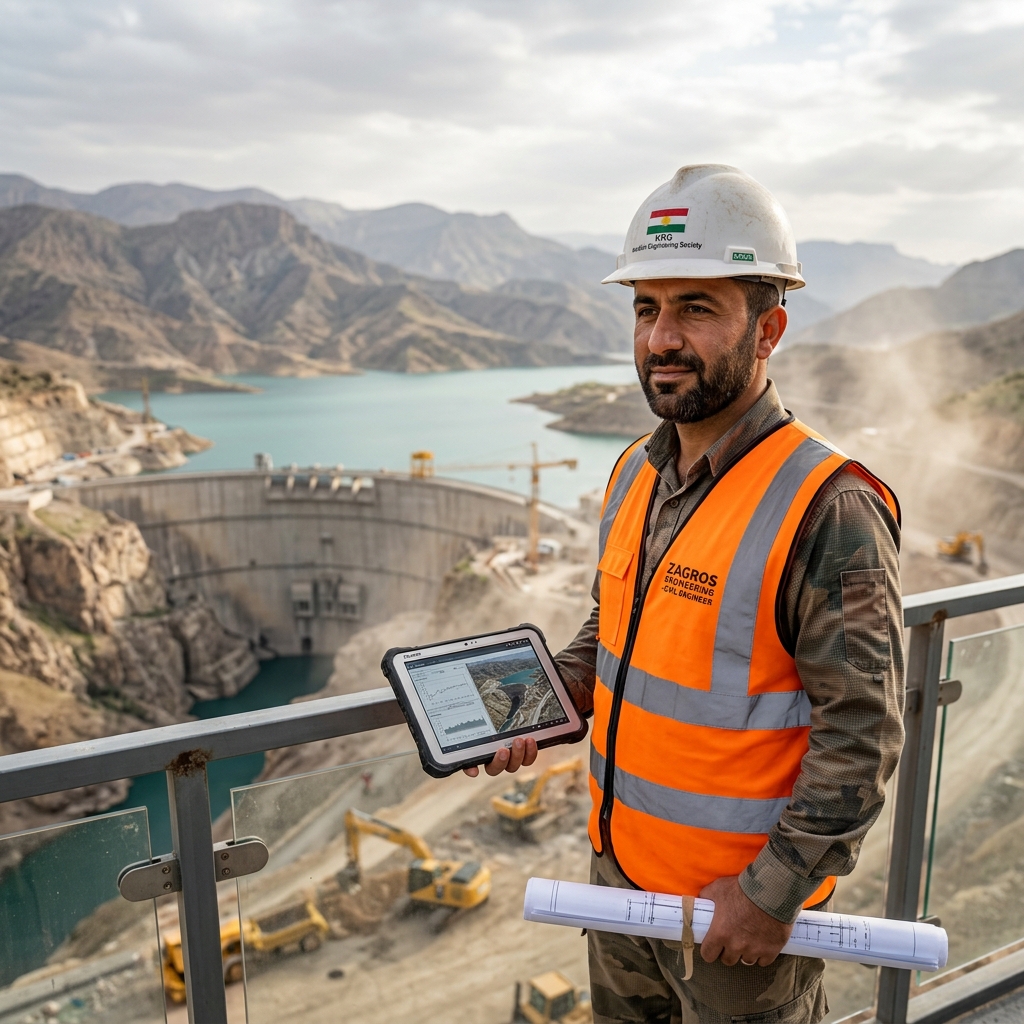
In contemporary Kurdistan, farming is experiencing a dynamic and sophisticated renaissance. A new generation of agricultural engineers and visionary farming cooperatives is blending ancestral ecological wisdom with modern climate-smart technology, automated drip irrigation, solar-powered water pumps, and modern greenhouse complexes. The fertile expanses of the Sharazoor, Erbil, and Harir plains are reaffirming their historical role as the breadbasket of the region, while specialty organic crops—such as Halabja’s world-renowned pomegranates, Penjwen strawberries, and wild mountain sumac—are exported to international markets. Through drought, geopolitical shifts, and changing climates, the Kurdish Cotyar remains the unshakeable bedrock of the nation’s food sovereignty, economic self-reliance, and cultural dignity.