01
A Dual Heritage of Mountain Botanical Wisdom and Clinical Medicine
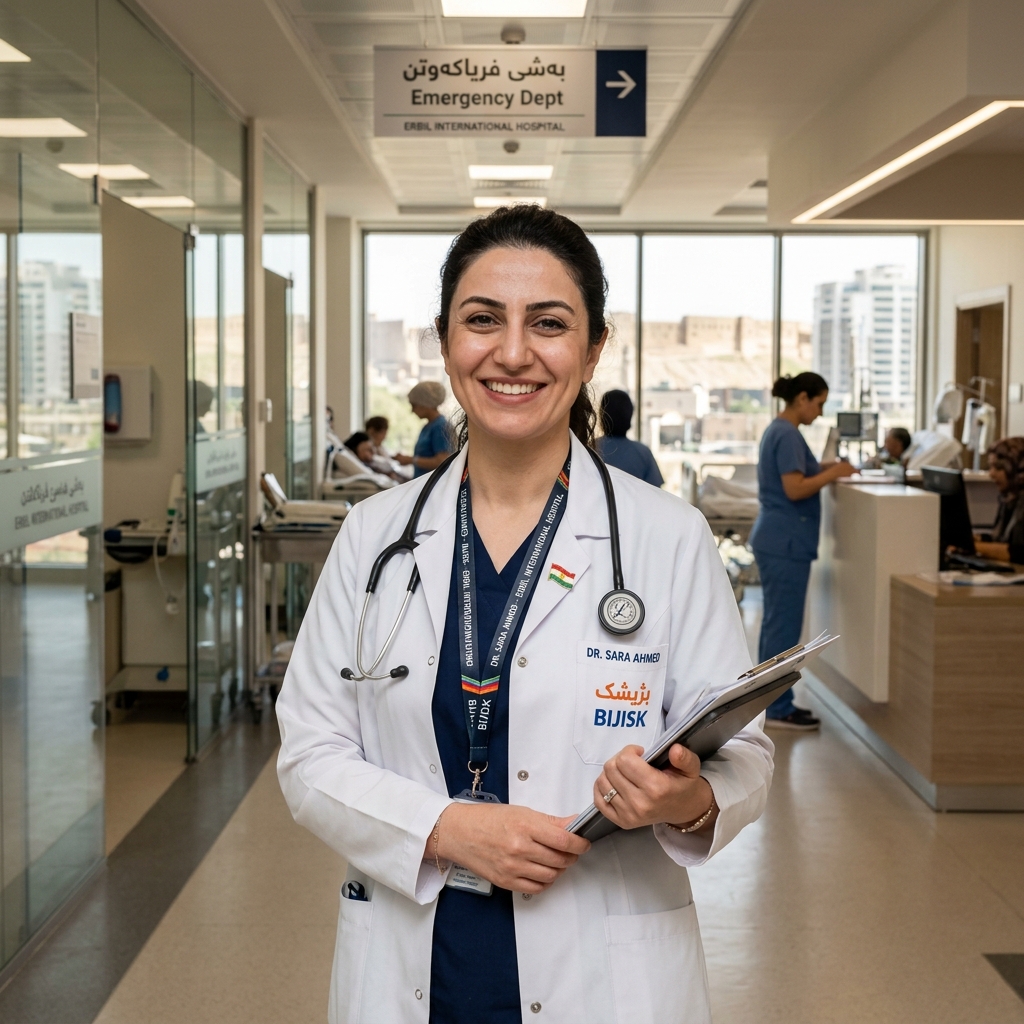
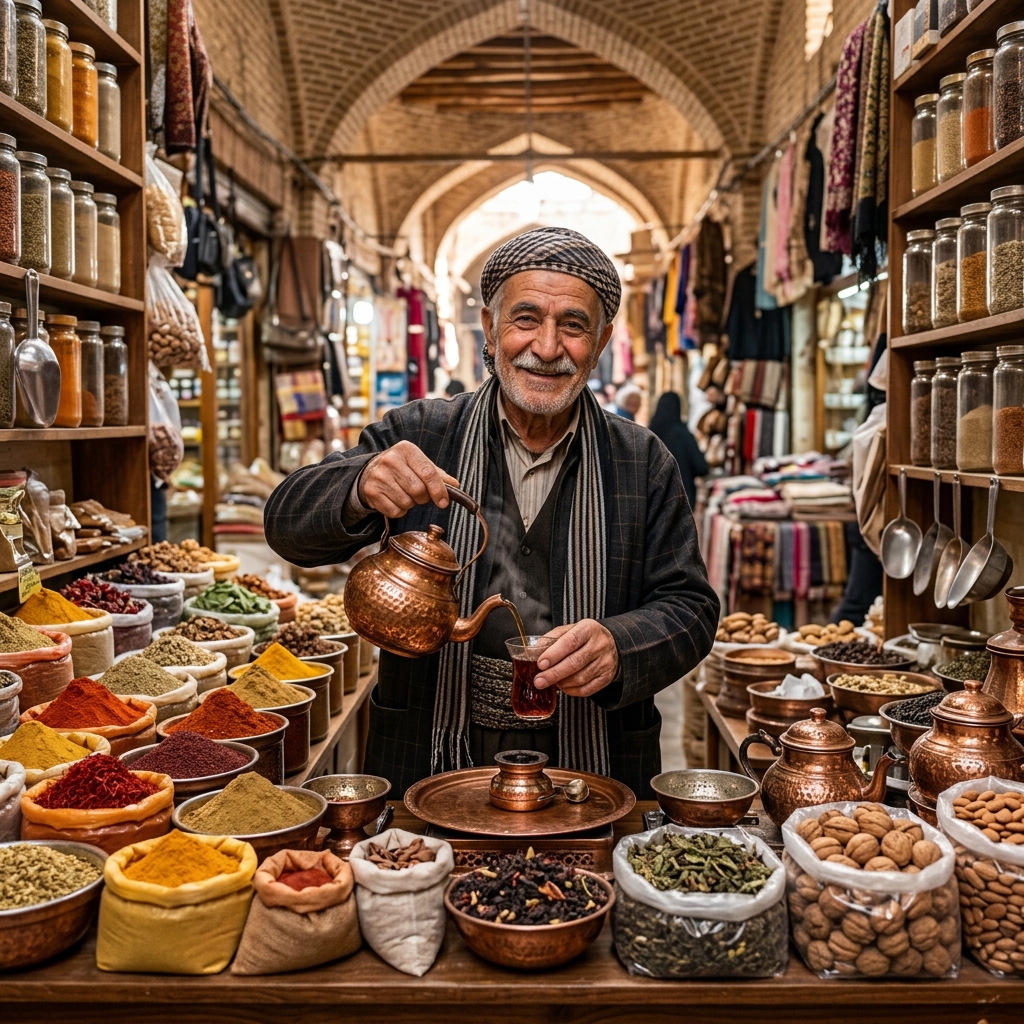
The medical tradition of Kurdistan is a unique synthesis of ancient botanical healing and cutting-edge clinical science. For thousands of years, the dramatic slopes of the Zagros mountains—home to more than 2,500 distinct wild medicinal herbs, including wild mountain thyme (Catre), licorice root, borage, and healing propolis—served as a vast natural pharmacopoeia for traditional healers (Heqîm). Today’s Kurdish physicians (Bijîşk / Pizîşk) inherit this holistic understanding of human wellbeing, combining generational empathy with advanced modern medical training from top global academies to deliver world-class patient care. Historical medical manuscripts preserved in Kurdish libraries document the early use of alpine licorice, wild sumac astringents, mountain honey propolis for wound healing, and cold-spring hydrotherapy in the therapeutic mineral springs of Garmian and Choman. Historical medical manuscripts preserved in Kurdish libraries document the early use of alpine licorice, wild sumac astringents, mountain honey propolis for wound healing, and cold-spring hydrotherapy in the therapeutic mineral springs of Garmian and Choman.
02
Heroism on the Frontlines and Selfless Humanitarian Service
The history of Kurdish medicine is consecrated by extraordinary humanitarian heroism during critical moments of national crisis. During devastating chemical weapon bombardments on civilian populations in Halabja and Balisan in the late 1980s, and during the massive refugee flights across freezing mountain passes in 1991, Kurdish doctors and nurses worked tirelessly in makeshift field tents and cave clinics with rudimentary medical supplies, saving tens of thousands of lives at great personal risk. This profound humanitarian ethos remains a defining hallmark of the Kurdish medical fraternity, where specialized doctors routinely volunteer in refugee camps and rural clinics to care for displaced families.
03
A Regional Destination for Specialized Healthcare and Surgery
Over the past two decades, the Kurdistan Region has successfully developed one of the most advanced and respected healthcare infrastructures in the Middle East. Specialized medical complexes in Erbil, Sulaymani, and Duhok—including Shar Teaching Hospital, Nanakali Oncology Hospital, and Azadi Hospital—are equipped with magnetic resonance imaging (MRI) suites, linear accelerators for cancer radiation therapy, advanced cardiac catheterization laboratories, and robotic laparoscopic surgery units. Kurdish surgeons routinely perform complex open-heart surgeries, living-donor kidney transplants, and delicate neurosurgeries that draw patients from across Iraq and neighboring countries.
04
Preventative Public Health, Telemedicine, and Medical Research
Contemporary Kurdish physicians are leading critical initiatives in preventative medicine, genetic screening for hereditary blood disorders such as thalassemia, pediatric cardiology, and rural mobile health programs. Kurdish medical faculties maintain active collaborative research partnerships with world-renowned medical institutions in the United Kingdom, Germany, and the United States, publishing clinical breakthroughs and training a new generation of doctors who hold the health and dignity of every patient as a sacred trust. Modern clinical partnerships between Kurdistan medical syndicates and global health organizations in Geneva, London, and Munich have established advanced surgical residency programs, positioning Kurdistan as a medical innovation hub in the region. Modern clinical partnerships between Kurdistan medical syndicates and global health organizations in Geneva, London, and Munich have established advanced surgical residency programs, positioning Kurdistan as a medical innovation hub in the region.