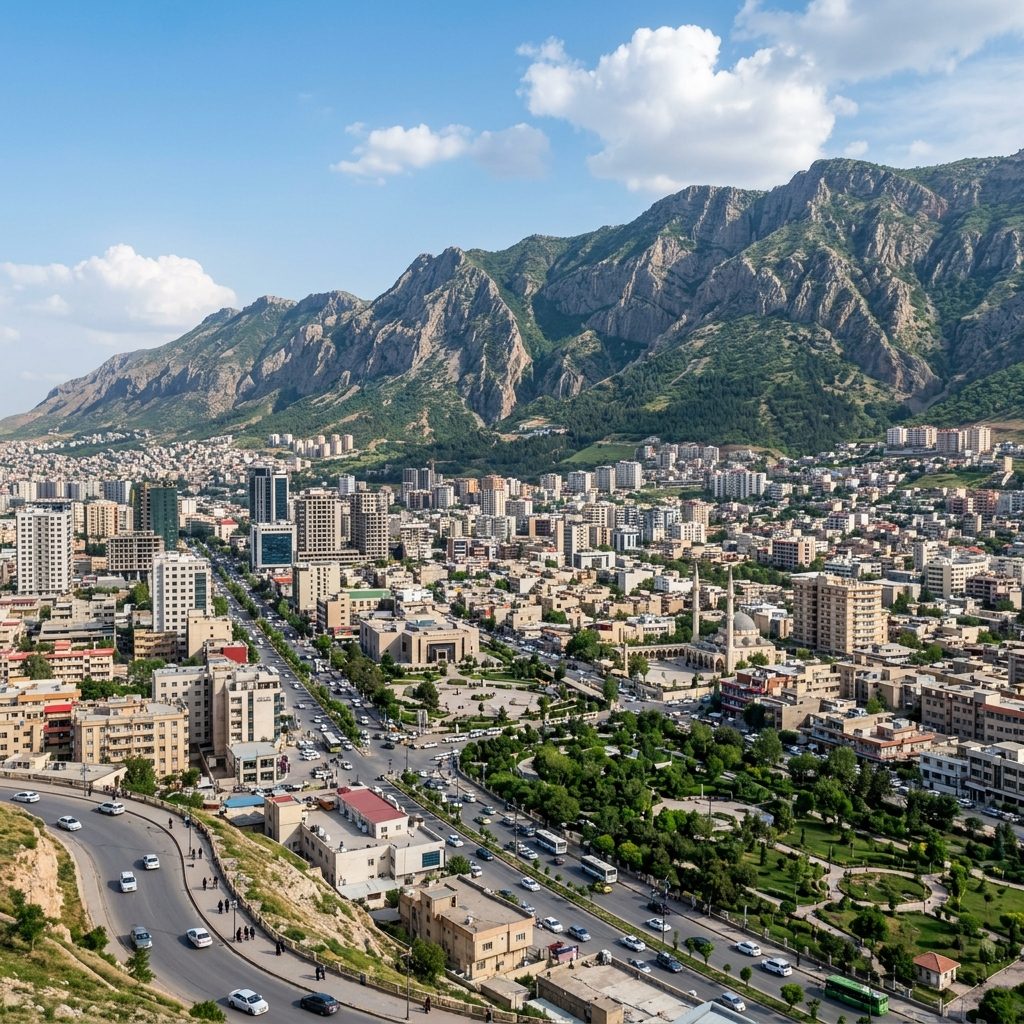
Ibrahim Pasha Baban was a visionary Kurdish ruler of the celebrated Baban Principality. Recognizing that the old capital of Qala Chwalan was vulnerable to recurring Persian and Ottoman military raids due to its enclosed valley topography, Ibrahim Pasha conducted a strategic topographic survey of the expansive Malkandi plains at the foot of Mount Goyzha in 1784.
There, he founded the planned metropolis of Sulaymaniyah, naming it in honor of his ancestor and regional governor Sulayman Pasha. Ibrahim Pasha personally oversaw the construction of the Grand Mosque (Mizgewti Gewre), the princely palace (Seray Baban), the central bazaar, caravanserais, public baths, and the four foundational historic quarters: Goyiwa, Kani Askan, Malkandi, and Darogha.
Under his patronizing rule, Sulaymaniyah became a bustling haven of trade, religious scholarship, and artistic freedom, attracting poets, philosophers, and craftsmen across the Middle East. His strategic decision created what is today recognized globally as Kurdistan's capital of culture and literature.
Planned and constructed the modern capital city with urban boulevards, administrative serais, and markets.
Erected the historic spiritual and educational heart of the city that educated generations of scholars.
Organized the residential, artisan, and commercial quarters of Goyzha, Malkandi, Kani Askan, and Darogha.
Protected regional autonomy, fostered religious coexistence, and sponsored classical poets and architects.
A prominent statue of Ibrahim Pasha Baban stands proudly in the heart of Sulaymaniyah. Every year on November 14th, the city celebrates Sulaymaniyah Founding Day, paying homage to the visionary prince who carved a cultural citadel into the foothills of Goyzha.