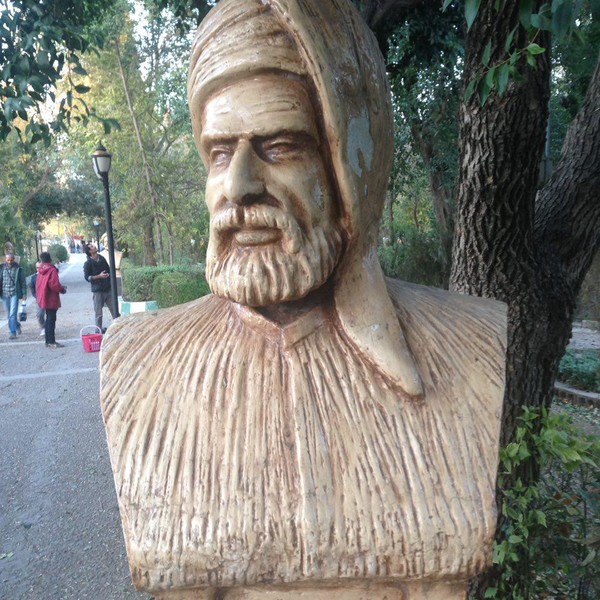
Sheikh Rıza Talabani was born in 1835 in the historical village of Qara Hasan near Kirkuk, into the eminent Talabani spiritual and scholarly lineage of the Qadiri Sufi order. Educated in Kirkuk, Sulaymaniyah, Baghdad, and Istanbul, Sheikh Rıza was an intellectual prodigy fluent in Kurdish, Persian, Arabic, and Ottoman Turkish.
Sheikh Rıza earned universal legendary status as the undisputed supreme master of satire (hecû), wit, and outspoken social criticism in Kurdish literature. With biting irony, merciless humor, and brilliant poetic precision, he castigated corrupt Ottoman Pashas, hypocritical clerics, and opportunistic tribal leaders. Yet alongside his scorching satires, Sheikh Rıza composed breathtaking, tender nostalgic elegies for the lost glory of the Kurdish Baban Principality, particularly his immortal poem reminiscing about Sulaymaniyah and the citadel plains of Kirkuk.
His verse was memorized across Kurdistan from Kermanshah to Diyarbakir. He passed away in Baghdad in 1910 and was laid to rest in the historic Talabani Takya, remaining an irreplaceable colossus of free speech and artistic fearlessness.
Pioneered devastating political and social satire holding feudal and imperial authorities accountable.
Composed the iconic nostalgic masterpiece laments for Sulaymaniyah and Kirkuk's golden era.
Penned masterly divans and poems fluently in Kurdish, Persian, Arabic, and Turkish.
Established the social responsibility of the intellectual to mock corruption without bowing to tyranny.
Sheikh Rıza Talabani’s fearless voice is immortalized as a cultural shield against authoritarianism. In Kirkuk, streets, public schools, and cultural forums celebrate his razor-sharp wit and enduring literary bravery.