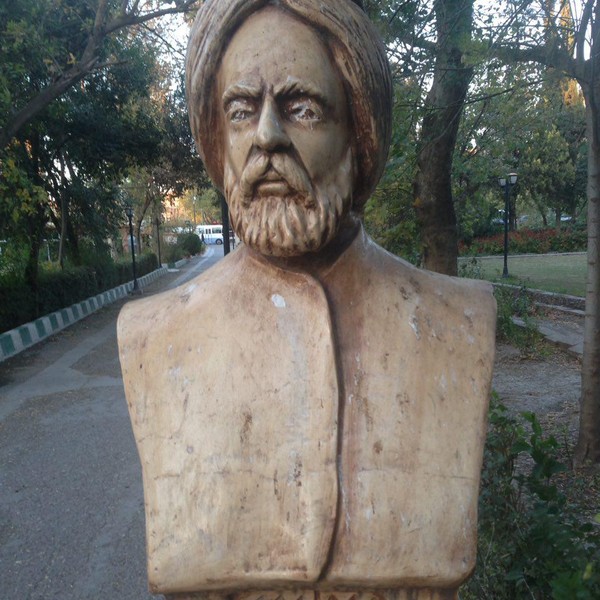
Mullah Abdul Rahim Mawlawi Tawagozi was born in 1806 in the village of Sarshata in the mountainous Hawraman region bordering Halabja. Initiated into the mystical Naqshbandi Sufi path by Sheikh Uthman Siraj al-Din of Tawella, Mawlawi achieved unrivaled stature as the greatest poet in the literary history of the Gorani / Hawrami Kurdish dialect.
Mawlawi's poetry is marked by astonishing musicality, rich allegory, and profound philosophical depths. In his celebrated Dîwan, the pomegranate orchards of Byara, the cascades of Hawraman, and the rugged snowfields of the Shahu peaks serve as living mirrors reflecting the omnipresence of Divine Light. Following the tragic demise of his devoted companion and wife, Anbar Khatun, Mawlawi composed the most poignant, heartbreaking elegies in Kurdish literature, expressing inconsolable human grief intertwined with mystical resignation.
In his later years, a tragic fire destroyed his personal residence, claiming hundreds of pages of uncopied manuscripts, and he suffered total blindness. Despite this, he dictated verses until his death in 1882. His Dîwan remains a sacred treasure of Kurdish classical heritage.
Authored the definitive masterwork of mystical ghazals elevating Hawrami Kurdish to world literary prestige.
Composed theological and Sufi works including "Al-Fadila" in Arabic and doctrinal commentaries.
Penned the most moving elegiac cycle in Kurdish poetic history, transforming personal bereavement into spiritual transcendence.
Perfected the 10-syllable classical Kurdish folk meter with exquisite harmonic rhyme schemes.
Mawlawi’s tomb in the village of Asad Abad in Byara is a national monument visited by scholars, poets, and lovers of Sufi literature. His verses are sung daily by Hawrami Siaw-Chamana chanters and revered in academic literature across Kurdistan.