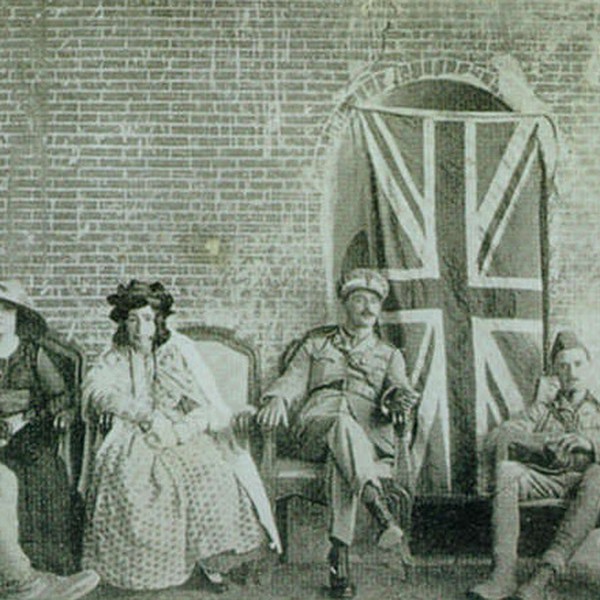
Lady Adela Khanum was one of the most formidable female rulers in Middle Eastern history. Born in 1847 into the aristocratic Ardalan princely dynasty of Sanandaj (Sine), she married Osman Pasha Jaf, paramount chieftain of the powerful Jaf confederation. When her husband was frequently absent commanding tribal forces, Lady Adela assumed direct, sovereign governing authority over Halabja and the fertile Sharazor plain.
Transforming Halabja from a modest hamlet into a thriving urban center, Lady Adela constructed a magnificent palace, a modern civic bazaar, new roads, and the region's first judicial courthouse, over which she personally presided as supreme judge. Her judgements were celebrated for impartial fairness across tribal divisions, earning her universal obedience.
During World War I, she provided humanitarian asylum and protection to British officers and travelers in Halabja. In recognition of her exceptional administrative genius and diplomacy, the British Crown conferred upon her the prestigious imperial title "Khan-i Bahadur" (Brave Princess). British political officer Major Soane famously marveled in his memoirs at how a Muslim woman exercised unchallenged sovereign authority in the Zagros mountains.
Built the central palace, avenues, public market square, and administrative center of Halabja.
Personally adjudicated civil and tribal disputes with celebrated impartiality as supreme magistrate.
Awarded the British Crown's distinction for distinguished civic governance and wartime diplomacy.
Established Halabja as a vibrant cultural salon nurturing classical poets including Tahir Beg and Ahmad Mukhtar Jaf.
Lady Adela is remembered as an enduring icon of Kurdish female leadership and political authority. Her historical tomb and preserved civic legacy in Halabja symbolize an era when women shaped the geopolitical destinies of the Kurdistan Region.